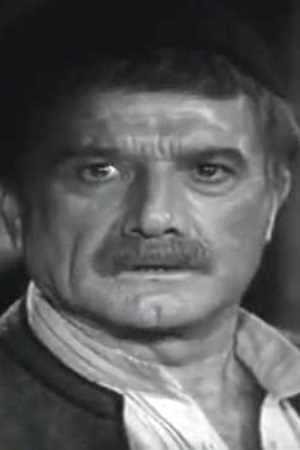
Stefan Petrov Movies, TV Shows, and Filmography
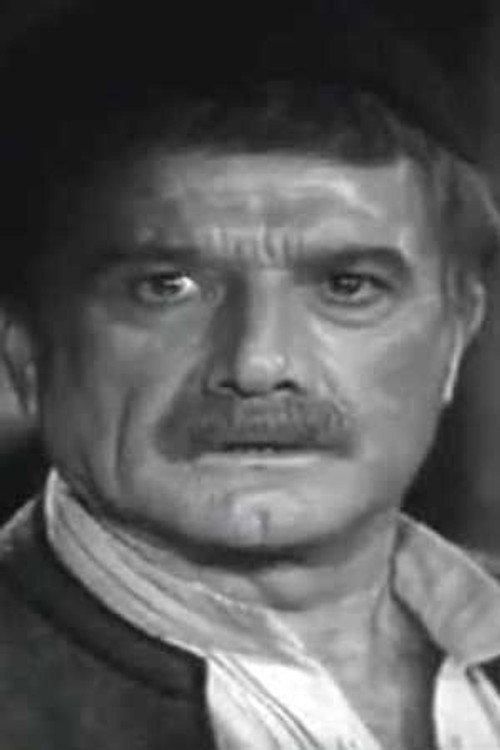
Stefan Petrov
Acting
Biography
No biography available.
Filmography Movies
Acting
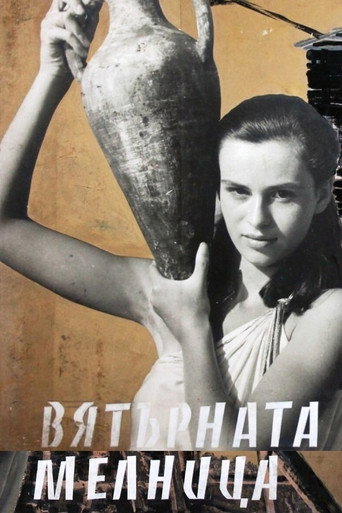
The Windmill
Film about a group of kids helping solve a gang of criminals.
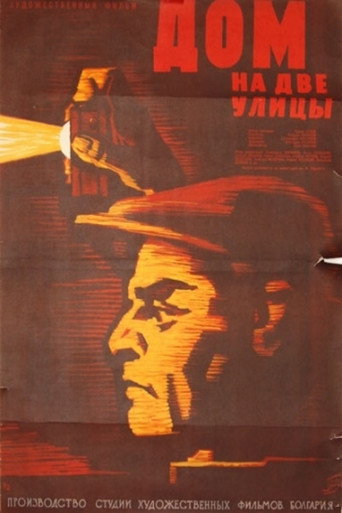
House on Two Streets
At the seafront garden, the members of The Worker's Youth Union and the members of fascist organization are fighting. Absorbed in their feelings Vladko and Aneto have nothing to do with those events. Things at Aneto's big wealthy home look very different from Vladko's small house huddled in the yard. Kiril, Vladko's elder brother, is anxious about Vladko who should have been at the rally, but is writing poetry instead. Aneto and Vladko are happily dancing at the school-leavers' ball. Kiril has killed a German officer. The ball breaks out. Aneto has disappeared in the confusion. Vladko goes to look after her. A group of people armed with clubs and knuckle-dusters beat him cruelly because he is Kiril's brother. Kiril has joined the partisans. Vladko is seriously ill and dies. Kiril and his comrades continue the struggle.
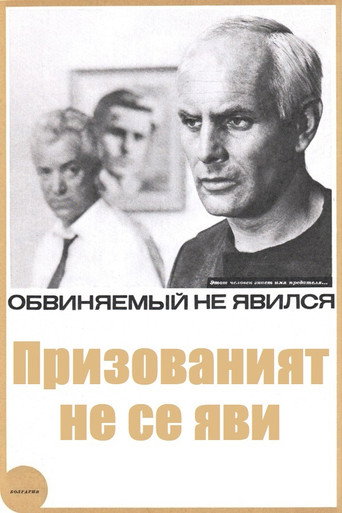
Failed to Appear
Kirill Velev, a partisan and communist, committed suicide after the failure of an anti-fascist underground group. It happened in the forty-fourth. And in 1951, the stubborn facts closed in an inexorable chain and testified: the commander of the partisan group Walter was given to the Gestapovs by Kirill Velev. This is the verdict of the people's tribunal, not subject to appeal. The accused did not appear at the trial.
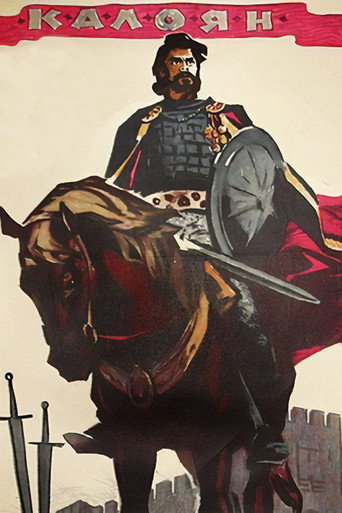
Kaloyan
1197. King Kaloyan ascends the throne in hard times for Bulgaria. The country is still recovering from a century of Byzantine subjugation. He is forced to carry out a very flexible foreign policy in order to strength his positions. Pope Innocent III recognizes him as Emperor (Tsar), but a little later the fourth Crusade crosses the country under Emperor Baldwin. A new conflict is coming. Tsar Kaloyan wages the decisive battle at Adrianople and wins.
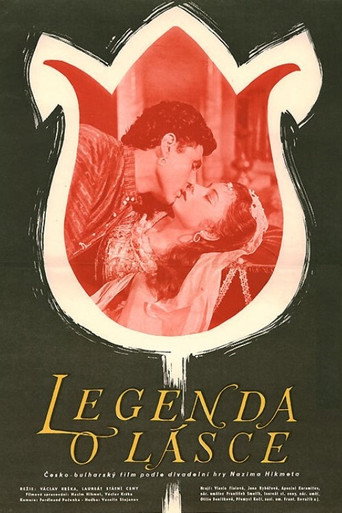
Legend of Love
A spring is hidden in the Iron Mountain but the people of Arzen cannot get to it and they are suffering from thirst.
Restless home
Evtim Manasiev is an outstanding engineer. At the office, he has made a name for himself as a "whole-hogger boss". At home, his motto is: "Love me, love my dog". His children rebel against his acting at variance with his own principles. Tired and exasperated, Manasiev realizes that he has been wrong in some of his actions. On a holiday, he runs into Mihaylova, a subordinate of his whom he has recently fired undeservedly. The meeting urges him to reconsider and to review painfully all his previous life and principles. —Georgi Djulgerov
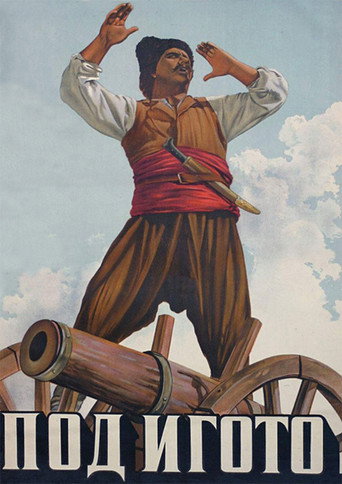
Under the Yoke
Follows the Bulgarian people's struggle for national independence in the period from 1875 to the Liberation from Otoman bondage.
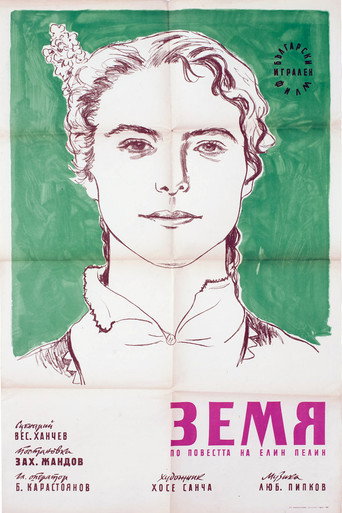
Earth
A Bulgarian village before the First World War. The young and ambitious farmer Enyo loves the beautiful but poor Tsveta. His brother and his wife arrange their engagement. The hunchback girl Stanka, daughter of the richest man in the village, is in love with Enyo. Because of her father's lands Enyo decides to end his engagement with Tsveta and starts building up his farm.
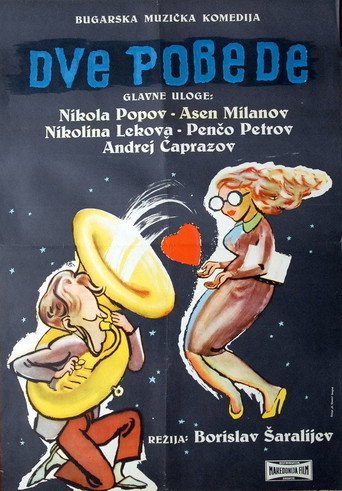
Two Victories
The weaknesses and shortcomings in the work of some leaders in the years of the building of socialism are ridiculed.
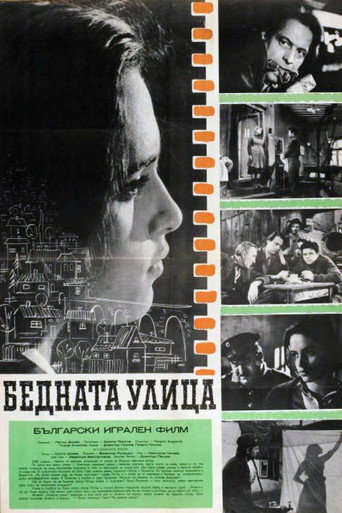
Poor Street
The students Yoshkata and Petar share rooms and wartime privations in a poor man's street. Over a glass of vine, Yoshkata often talks about the stage life of genuine beauty. The student is unaware of the passion with which Vaska, the barmaid at the local pub, burns for him. Petar is a member of an antifascist combat unit. The pupil Katya loves him. Petar carries out a sabotage action and comes home wounded. Yoshkata manages to deceive the Germans who rush into their flat that they have been drinking and playing cards throughout the evening. He saves his friend. However, the secret agent notices the doctor's visits. When the police arrive to arrest Petar, Yoshkata tries to resist them and the agent shoots him dead. Petar goes underground. On the day of the liberation, all the residents of the poor man's street celebrate, and Katya and Petar happily reunited. Vaska is there, too, a baby in her arms, the fruit of her love with Yoshkata...
Gallery