Writing
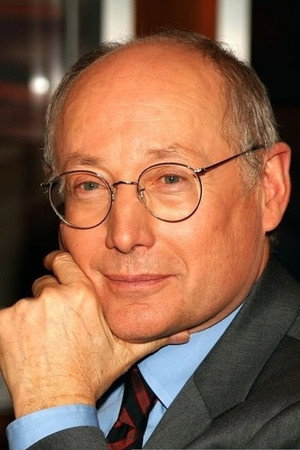
Stefan Aust is a German journalist, writer and publisher.
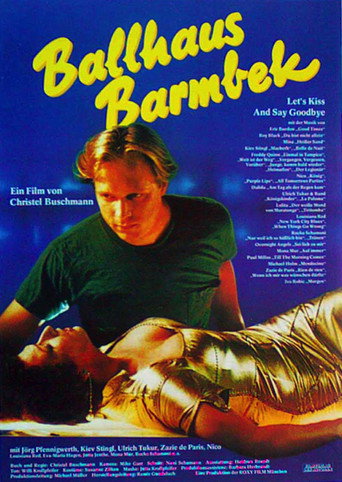
A study of the alienated people who frequent the Ballhaus Barmbek dance hall, including an obese El groupie, an old man reciting poetry, two young women and a regular dance employee.
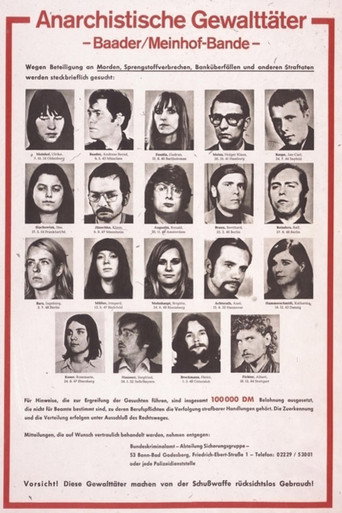
The Baader-Meinhof gang, a left-wing terrorist collective born of the student revolutions of the Sixties, terrorized West Germany with a series of bombings, assassinations and hijackings in the Seventies. They became die RAF - die rote army fraktion in 1970. It is claimed that property destruction during the Watts riots in the United States in 1965 influenced the practical and ideological approach of the RAF founders. As for changing the world, they failed. All they achieved was to make West Germany a less tolerant, more paranoid society than it had been before.
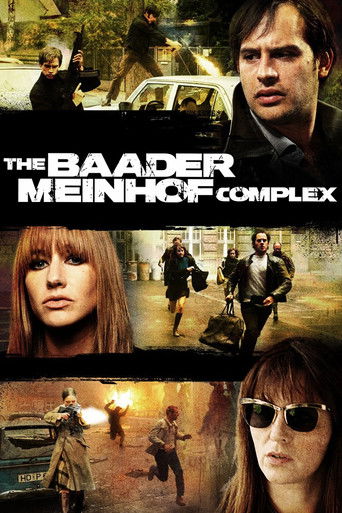
When German police viciously quell a protest against the shah of Iran, popular journalist Ulrike Meinhof rebels against her dishonest marriage, walks away from her children and joins radical anarchist Andreas Baader. Together with Baader's girlfriend, Gudrun Ensslin, they form the violent Red Faction Army, and together perpetrate a slew of terrorist attacks as a way of disrupting the fabric of what they see as an increasingly fascist state.
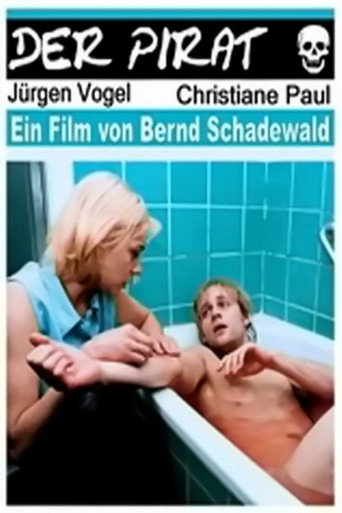
Hamburg, end of the 1960s: occasional pothead Jan, also known as "the pirate", makes a career for himself in the local drug scene. He quickly becomes the "hash prince of Hamburg". But when he starts dealing heroin, he also draws his brother Ludwig into his dark business...
Hannelore Kohl was the brave political wife, the wife of the Eternal Chancellor. The reliable companion on his way to power. His campaigns were hers too. Last but not least, his success was based on her strength. Hannelore Kohl lived in her husband's iron power system. When she fell seriously ill, Hannelore Kohl retreated more and more from the light of the public to a life in the dark. Until she put an end to her life on July 5, 2001. The documentation chronologically traces the life of Hannelore Kohl using archive recordings from over half a century of German history.
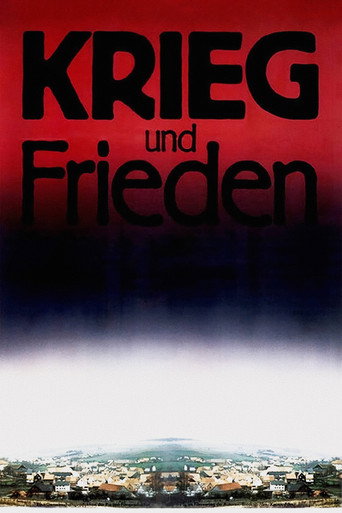
The third episodic film, after Deutschland im Herbst and Der Kandidat, in which notable German filmmakers reflect on the state of their country. A collage of documentary and dramatised sequences dealing with such topics as overkill, peace demonstrations, NATO arms policy, and life after the next war.
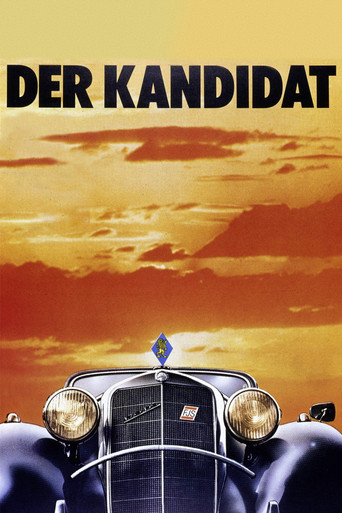
Made with an eye to the autumn of 1980 when the German parliamentary elections took place, The Candidate examines Germany’s history past and present and Franz Josef Strauß, the man who, as the CDU/CSU candidate, aspires to be elected to the most important political office in the land.