Camera
No biography available.
A small town located right in the middle of Europe, but in reality probably at the end of the world. It is dominated by the depressing atmosphere of the Stalinist era, the still vivid memory of wartime atrocities, and bitter ethnic conflicts. Above all, however, the town has its own secret. Seven years earlier, a bloody pogrom against Jews took place here. Bogdan, the son of one of the victims, tries to uncover the truth. Torn between his father's story and his mother's story, a witness to the madness of Chaimka, a survivor of the pogrom, he flees the hardships of growing up in the "middle of Europe" only to return years later to the cemetery where his parents are buried.
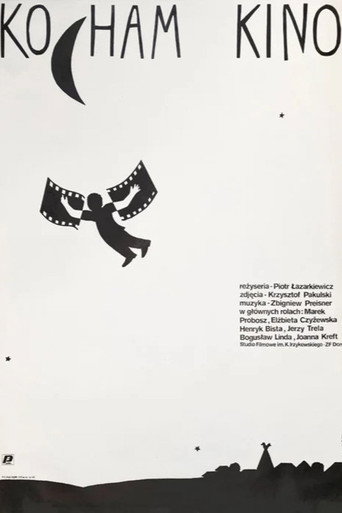
The manager of a small provincial cinema finds her lost son, and he tries to save the movie theater.
The protagonist of the film is Stanisław Niedbalski, a legend of Polish cinematography, cinematographer of several dozen documentary films. Usually, he is hidden behind the camera. However, in this film, we could look at him from a different perspective – a witty and emotional film set star.
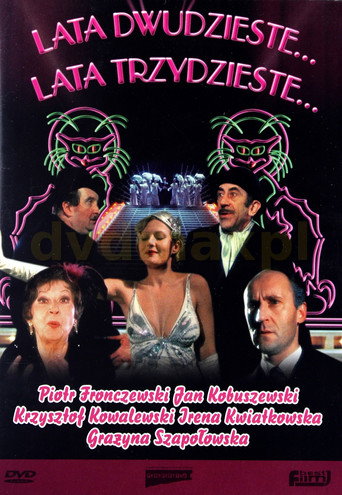
On the way to Warsaw after a crude oil fraud in southern Poland, conman Adam Deren meets singer Liza. He decides to invest his money in a venture deemed to be a failure - a small cabaret where Liza could perform.
Warsaw Central Station, 1958. A place of greetings and farewells, an intersection of people from different parts of Poland and Europe. A girl waits in vain, she goes away. Soon the station would belong to the past too.
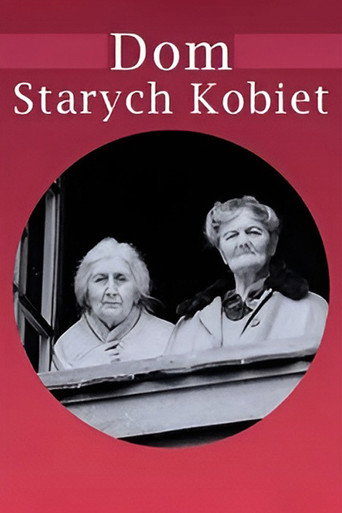
A documentary portrait of elderly women living in a Kraków nursing home, observing daily rituals, illness, and waiting, shaped by recurring symbolic images of time and decline.
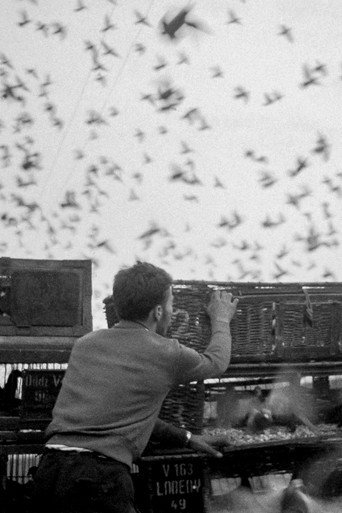
Pigeon breeders (men mostly) are a special kind of enthusiasts. Their hobby includes an element of competition – a long-distance race of carrier pigeons.
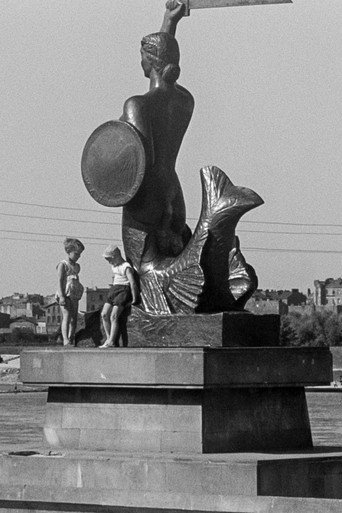
A documentary depicting the Warsaw district of Powiśle where time has stopped. One of several films made by Kazimierz Karabasz included in the "black series" of Polish documentaries. Featuring a commentary typical for documentaries of the second half of the 1950s, it is distinguished by penetrating observation and lyricism.
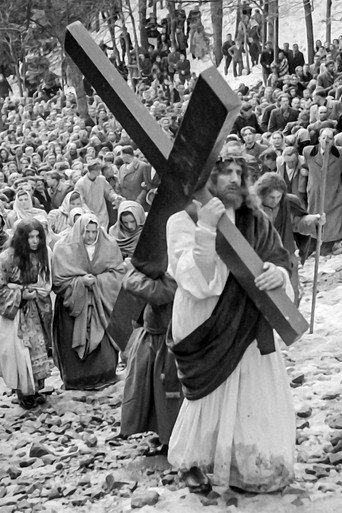
The document shows the staging of the Catholic Mystery of the Passion, which takes place every year in Kalwaria Zebrzydowska.
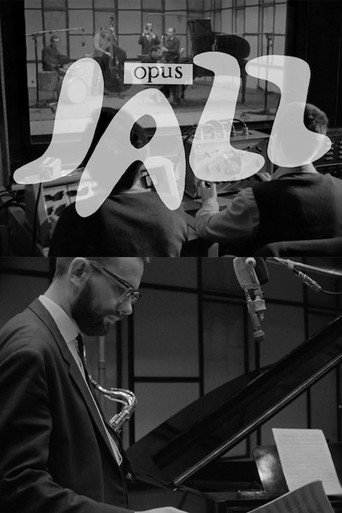
A documentary portrait of the Kurylewicz Quintet at work in the recording studio, Opus Jazz captures the stop-and-start process of rehearsal before the musicians lock into rhythm and achieve full improvisational flow. Majewski’s film highlights both the discipline and spontaneity of modern jazz in 1960s Poland.
A report from a student’s festival in Kraków. The history of this event dates back to the 15th century in Poland. Statues and knights at Wawel remain unmoved until they fall into the rhythm of joyful fun.
A look at the horse races at the famous track in Sluzewiec, Warsaw.
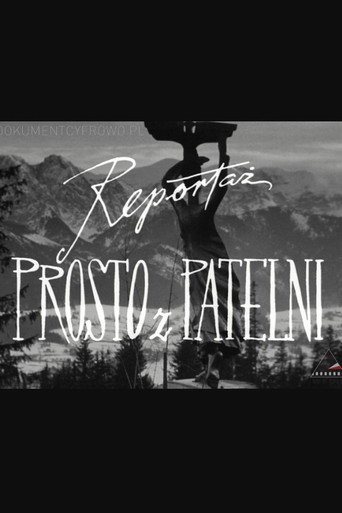
The title pan (‘patelnia’ means pan) is a terrace on Gubałówka, where people can sunbathe even in the middle of winter. ‘Standing in the sunlight, everyone is only what they are’ - convinces the narrator. The sight is breathtaking.