Stanisław Lem Movies, TV Shows, and Filmography
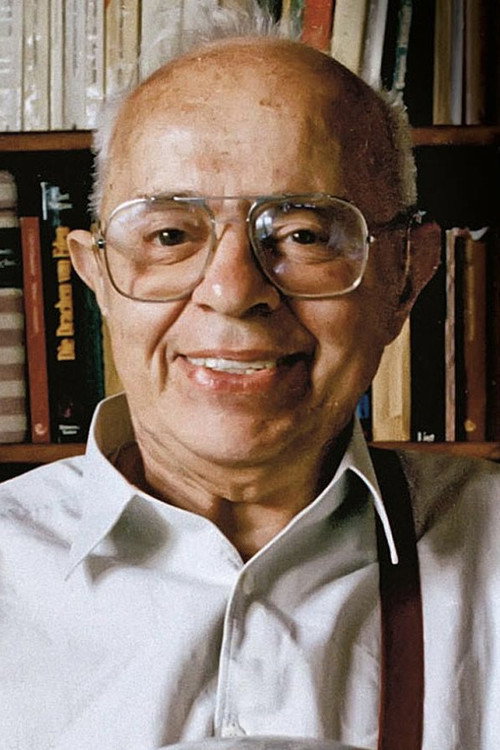
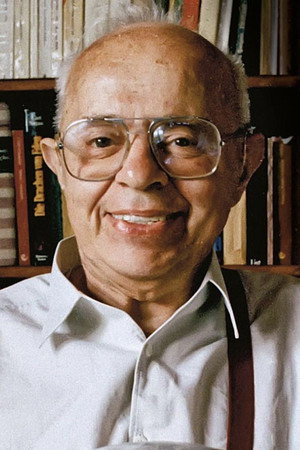
Stanisław Lem
Writing
Biography
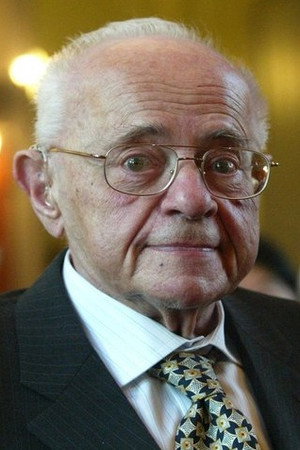
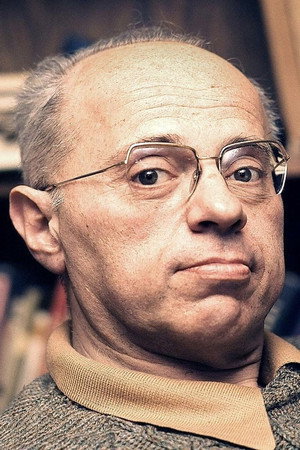
Stanisław Lem was a Polish writer of science fiction, philosophy and satire. He was named a Knight of the Order of the White Eagle. His books have been translated into 41 languages and have sold over 27 million copies. He is perhaps best known as the author of the 1961 novel Solaris, which has been made into a feature film three times. In 1976, Theodore Sturgeon claimed that Lem was the most widely read science-fiction writer in the world. His works explore philosophical themes; speculation on technology, the nature of intelligence, the impossibility of mutual communication and understanding, despair about human limitations and humankind's place in the universe. They are sometimes presented as fiction, but others are in the form of essays or philosophical books. Translations of his works are difficult due to passages with elaborate word formation, alien or robotic poetry, and puns. Multiple translated versions of his works exist.
Filmography Movies
Acting
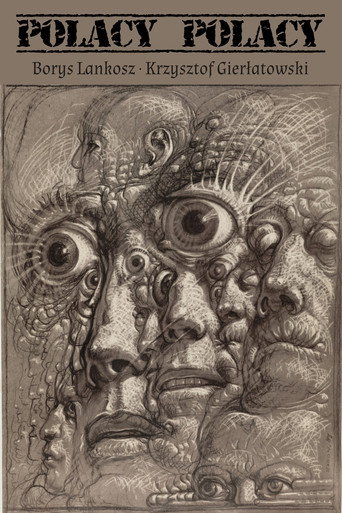
Poles Poles
For decades the photographer Krzysztof Gierłatowski has portrayed eminent Polish figures, thus creating an invaluable visual testimony. This time his "victims" are well-known citizens of Kraków: Stanisław Lem, one of the most brilliant, versatile, and unapologetically cerebral science fiction writers, author of 'Solaris'; Krzysztof Penderecki, one of the most esteemed and widely discussed Polish composers of the 20th century; and Wisława Szymborska, Nobel laureate in Literature in 1996, one of the few women poets who has received the Swedish prize. Gierłatowski assumes the role of a modern Stańczyk, a legendary thinker-jester, prophesying on the historical Polish Republic in his dramatic conviction that History annihilated the intellectual elite of his nation and the future will bring awe and destruction.
Bartoszewski
This is a documentary about a well-known figure in Polish politics - Wladyslaw Bartoszewski. The hero of the film is a man with a very rich resume. He was born and raised in Warsaw. He was a prisoner of Auschwitz, a soldier of the Home Army, an activist of the Polish Underground State, a participant in the Warsaw Uprising, twice served as foreign minister, and finally a publicist, writer and scientist. In a forty-two-minute documentary it would be impossible to present the full biography of this man - that's why this film selects only the more important episodes from Bartoszewski's life. His life is narrated by the hero himself. Stories about him are also spun in front of the camera: Jerzy Sienkiewicz, Jerzy Turowicz, Krzysztof Kozłowski, Israel Gutman, Jan Nowak Jeziorański, Stanisław Lem and Stefan Kisielewski.
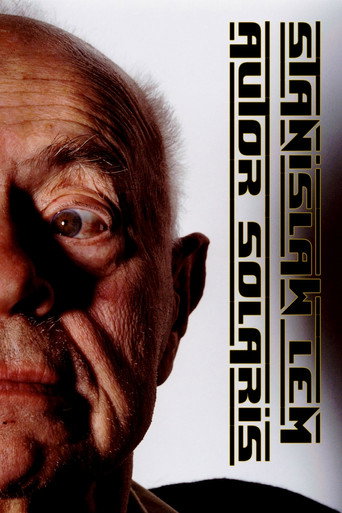
Stanisław Lem: Autor Solaris
An account of the life and work of the Polish writer Stanisław Lem (1921-2006), a key figure in science fiction literature involved in mysteries and paradoxes that need to be enlightened.
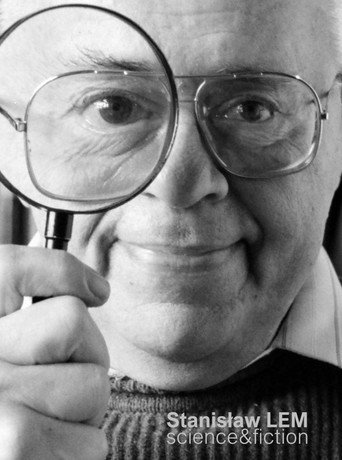
Stanislaw Lem: Science and Fiction
A multifaceted portrait of science fiction writer Stanislaw Lem.
Production
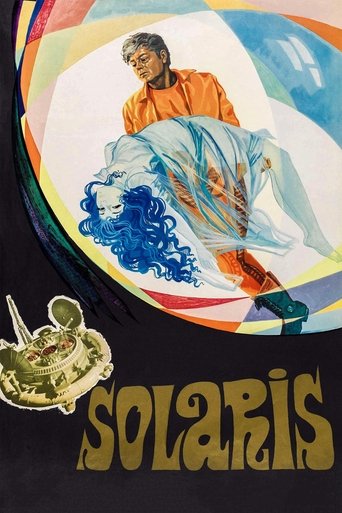
Solaris
A psychologist is sent to a space station orbiting a planet called Solaris to investigate the death of a doctor and the mental problems of cosmonauts on the station. He soon discovers that the water on the planet is a type of brain which brings out repressed memories and obsessions.

Solaris
Shot while the director was still in college, the film is a remake of the Russian film of the same name. The man's dead ex who had committed suicide appears in front of him. The ghost has a cross-like scar on her wrist.
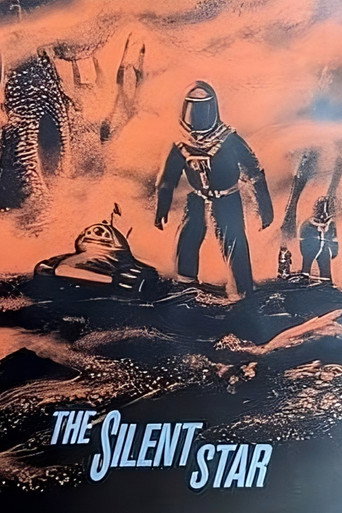
The Silent Star
A mysterious magnetic spool found during a construction project is discovered to have originated from Venus. A rocket expedition to Venus is launched to discover the origin of the spool and the race that created it.
1
A bookshop renowned for its rare works is mysteriously and filled with copies of a book entitled 1, which doesn't appear to have a publisher or author. The strange almanac describes what happens to humanity in a minute. A police investigation begins and the bookshop staff are placed in solitary confinement by the Bureau for Paranormal Research. As the investigation progresses, the situation becomes more complex and the book becomes increasingly well-known, raising numerous controversies. Plagued by doubts, the protagonist has to face facts: reality only exists in the imagination of individuals.
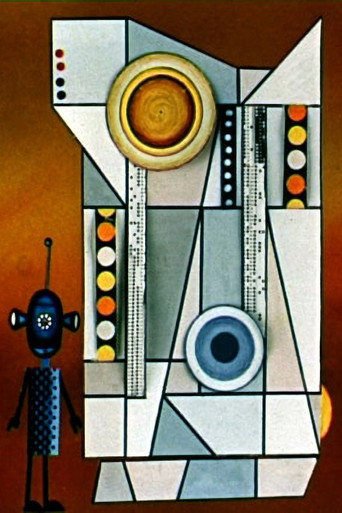
Trurl's Machine
A short animation inspired by the Stanisław Lem short story about Trurl from "The Cyberiad".
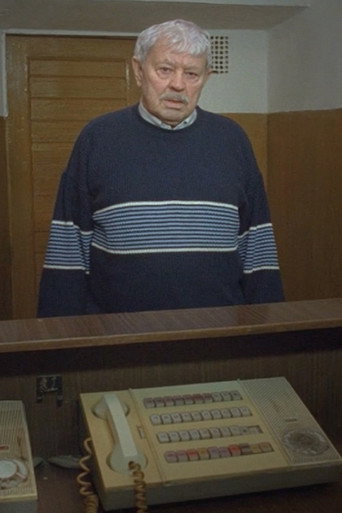
Revisiting Solaris
The astronaut Chris Kelvin receives a visit from a woman who is a double of his dead wife. This story, told in Stanislaw Lem’s eponymous novel, was once adapted into the film Solaris by the legendary Russian film director Andrei Tarkovsky. According to Deimantas Narkevičius, Tarkovsky was not as critical of the increasing impact of electronic media on relationships and on the complex nature of human memory as Lem, the original author of the story. In this video, the actor Donatas Banionis reappears in his role as Kelvin, forty years after Tarkovsky’s film was shot. Revisiting Solaris is based on the last chapter of Lem's book, which had been left out of Tarkovsky’s adaptation. In order to visualize the landscape of Solaris and expose complex specters of the past, Narkevičius combines the new footage and a series of photos from 1905 taken by the Lithuanian painter and composer Mykolojus Konstantinas Čiurlionis.
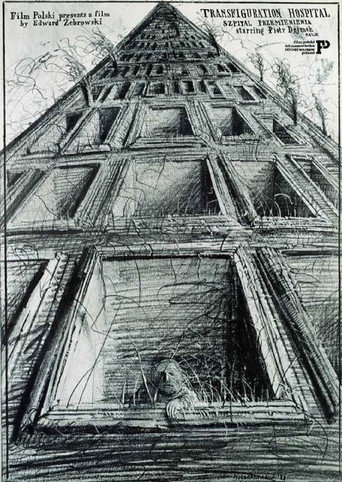
Hospital of the Transfiguration
Shortly after the beginning of World War 2 a young idealist doctor is employed in a psychiatric hospital, where his notions of proper care for the patients are challenged by staff and the German occupation.
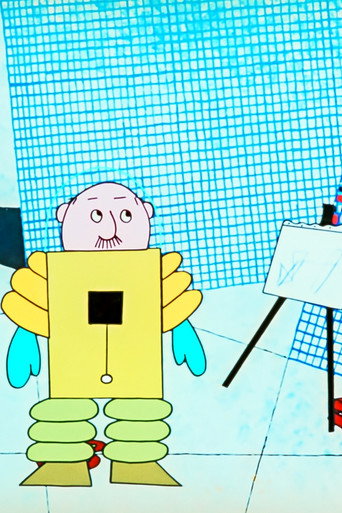
Trap
Ijon Tichy arrives on a new planet in a single-person spacecraft. His habits and fantasies are with him. The aliens recreate the sex bomb from the poster that could be found in the cabin of his spacecraft. Then, they present him a live dummy. A male-female evening in space with some pre-war music hits becomes possible.
Gallery