Acting
No biography available.
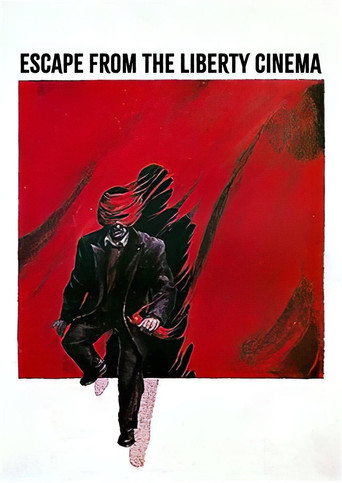
The screening of a movie "Daybreak" at the "Liberty" Cinema is interrupted by an unusual event - actors come to life on the screen, start conversations among themselves, draw the audience into them. Crowds gather around the cinema, the relevant authorities and services wonder what to do in this complicated situation. Also arriving is the censor, a man reaching his fifties, a one-time literary critic and journalist. The line between fiction and reality begins to blur.
Two psychiatrists attempt to save a suicidal man.
Ewa and Stefan Hauser, with their children Monika and Wolf, live an average middle-class life in East Berlin in 1969. Under Stasi blackmail, Stefan is coerced into cooperation, prompting the family’s escape attempt to West Berlin. The plan fails: the couple is imprisoned for four years, the children adopted by separate families. After early release and permission to relocate west, the Hausers spend decades fruitlessly searching for their lost children, only to be reunited twenty years later amid Europe’s political upheavals.
In spring of 1954, thanks to amnesty, Marcin Nowak - a political prisoner - get released from prison and tries turn his life back to normal
An adaptation of Jan Brzechwa's fairy tale "Mr. Kleks Academy".
A television short by director and actor Stanisław Latałło.
In 1905 partitioned Poland, a bomb moves through the anarchist underground as revolutionaries prepare to strike against Tsarist rule.
Michal Szmańda suffers from epilepsy, depression and other conditions. He is cared for by his sister Aniela. The only bright ray in her life is the "garden" arranged in the kitchen. They do not live with their mother. When they were children, and this was in Stalinist times, the mother was a labor leader. Possessed by the new ideology, she neglected the house and children. When little Michael was sent to a sanatorium, his mother did not visit him at Christmas. This caused trauma for the rest of his life.