Directing
No biography available.
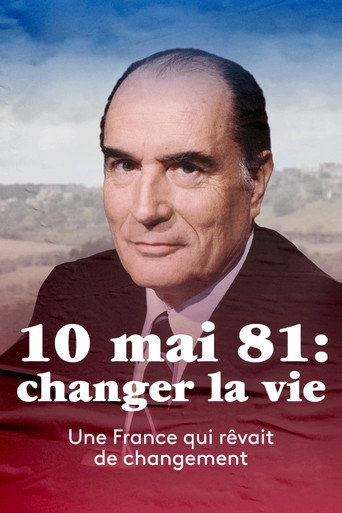
Fourty years ago, in May 1981, with François Mitterrand's election, some people were letting themselves dream about a better life while others were predicting the coming of soviet tanks upon the Champs-Élysées. If we gladly remember the turning point of austerity in 83, there were also the wage rises, the fifth week of paid leave, the abolition of death penalty, the decriminalisation of homosexuality, or the advent of independent radio stations. Rare archives and accounts by those who were at the heart of this story give an overview of it and shed light on lesser-known aspects.
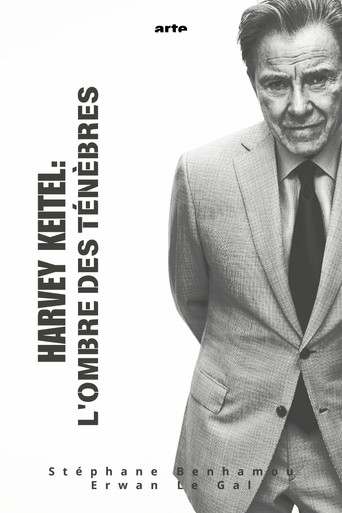
Shadows have followed Harvey Keitel wherever he went, from his blasphematory childhood, to the army and his iconic roles in films such as Scorsese’s Mean Streets and Taxi Driver. Treated as an outcast after being fired from the set of Apocalypse Now, he made a triumphant return with directors such as Tarantino and Jane Campion.
World War II, June 1940. France has fallen and suffers the relentless boot of Nazi Germany. But Algeria, the prized French colony in North Africa, remains part of the territory controlled by the Vichy regime of Marshal Pétain. A strict colonial order is maintained: the French of European origin rule, while local Jews are stripped of French citizenship and discrimination against the mainly Muslim population increases.
Jean-Pierre Bacri was never happy about anything. But beyond the caricature of the grumpy man, from his apprenticeship years to his death in January 2021, this film tells the story of this quintessential Frenchman: a man turned towards others, an actor by accident, a moralist by vocation, who was left unaffected by flattery and false honors by success, and ready for all kinds of anger when it was necessary to speak out against injustice and stupidity. The film tells the story of how Jean-Pierre Bacri's life changed several times: from Algeria to France when he was eleven years old in 1962; from bank clerk to apprentice theater actor; from Pieds-noirs film star to screenwriter for Alain Resnais; and from Cannes playboy to Agnès Jaoui's mad lover, the most decisive encounter for his life as well as for his work
Bill Murray is considered by many of his fans to be "the coolest man in the world". But how is it that this actor, who for a long time did little more than a few weird performances with strangers and crazy improvisations on TV shows, is now better known than many of his fellow actors with far more impressive filmographies? Although the film "Groundhog Day" was published a quarter of a century ago, the cult surrounding the American improvisational talent has never died down and is now becoming almost irrational. The documentary, peppered with interviews from companions and confidants, follows in Murray's footsteps and tries to fathom where the unique fascination for this man comes from. Starting with the theater in his hometown of Chicago, to the TV shows of the satirical magazine "National Lampoon" and the legendary comedy show "Saturday Night Live" to his checkered film career.