Acting
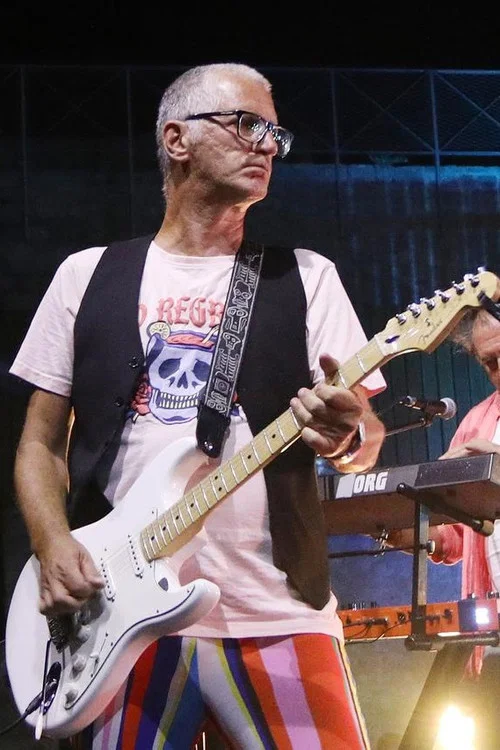
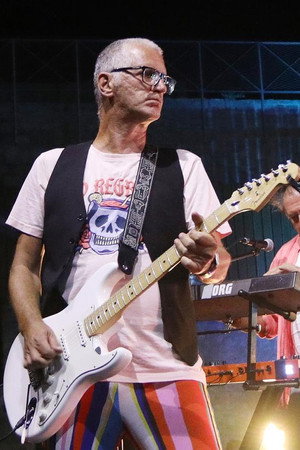
Founder of the Yugoslav/Serbian rock group Električni Orgazam.
Akademija Republika shows a group of people gathered around the club from 1981 until 1995 and how it changed and influenced the cultural and night life around them.
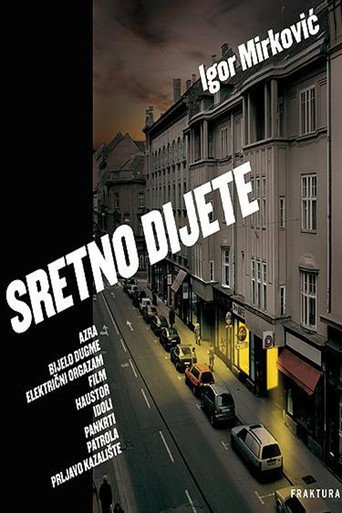
The Happy Child is a story of "New Wave" rock genre predominant in the ex-Yugoslavia during the socialist 70's and 80's.
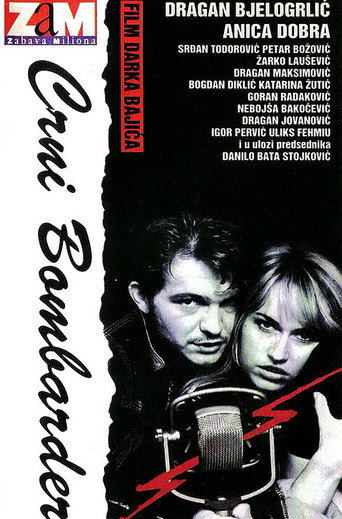
In a near-future Belgrade, a DJ stirs up trouble with his rocking anti-establishment broadcasts. After his station is shut down, he takes to the street and starts transmitting revolution with the police hot on his trail.
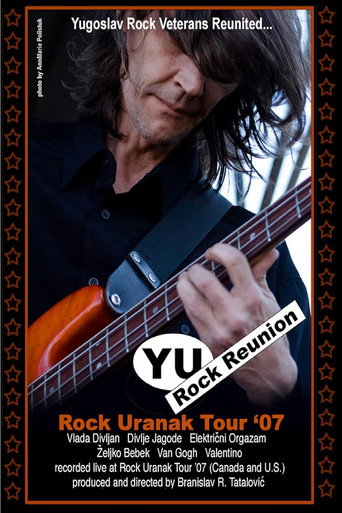
"YU Rock Reunion" is a tribute to Yugoslav rock music. This documentary features several pop-rock bands from Bosnia, Croatia, and Serbia (former SFR Yugoslavia), recorded at the Rock Uranak Tour '07. Bebek, Valentino, Divlje Jagode, Van Gogh, Elektricni Orgazam, Vlada Divljan of Idoli, and others - got together for the first time in 20 years to play for their fans in Canada and the U.S. Former Yugoslav rock stars and music legends came to North America in September of 2007, and together played for the people of all nationalities.
In chronological order, the film follows the career of Momčilo Bajagić – Bajaga, one of the most prominent rock musicians from former Yugoslavia, together with his band ‘Instructors,’ who have been accompanying him for 25 years now.
Serbian rock band Electric orgasm celebrates the 40th anniversary of work.
Documentary about new wave in Yugoslavia from the social angle.
The birth of a new culture and generation that will change a one country forever and break the cult of personality such as Marshal Tito. Popular culture, rock music and other western frenzies during the Tito era in former Yugoslavia. And and the story of a rock concert that shows how serious and radical changes are taking place in Yugoslavia.
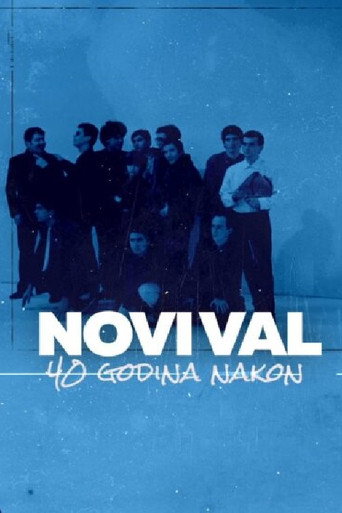
Croatia Records, as the publishing house that published the largest number of new wave releases, is celebrating 40 years of new wave this year. The anniversary is accompanied by many interesting releases and reissues, and the focus is on four vinyls, pearls of the new wave: the first albums of Električni orgazam and Haustor, the only album of Šarlo akrobata and the "Paket aranžman" compilation, which was responsible for the flourishing of the new wave in the former Yugoslavia. In cooperation with CMC television, a documentary film was filmed with a large number of relevant interlocutors, about one of the most brilliant musical periods in the history of the region.
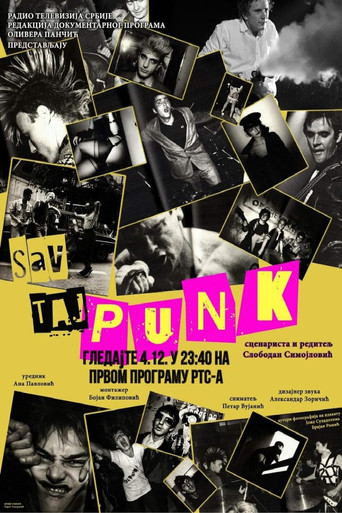
By definition, punk is a subculture, alternative culture and youth culture based on the interaction of cultural elements different from the elements of popular culture and other sub-genres.It has its own distinctive music, ideology, dress code, visual identity, dance, literature and film. Punks are mostly young people with a different opinion, who in common have the spirit of anti-establishment and non-recognition of the canon. As a musical direction, it existed in full swing in the 70s and 80s of the last century, exerting an influence on the rock scene of that time. How did appear in ex-Yugoslavia? What were the "hotspots"? Did he pose a danger to the state and socio-economic system of that time? Can one see punk as a way of life?