Acting
No biography available.
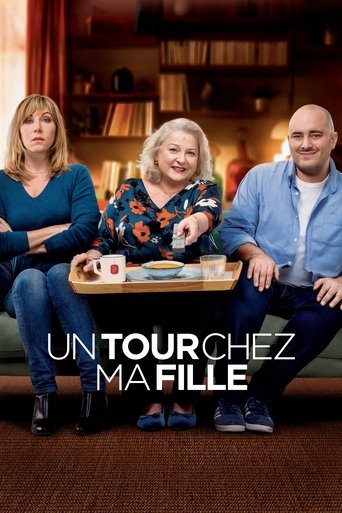
While her apartment is being renovated, Jacqueline is thrilled to be forced into spending "a few days" with her eldest daughter Carole and her son-in-law, who are both in couples therapy. These "few days" turn into "a few months". Jacqueline quickly feels at home. She prepares dinners, monopolizes the television, reorganizes the kitchen... She is here, and no one knows for how long!
A handyman in a 1940s Paris brothel tries to help the prostitute he loves with her singing career and romantic life.
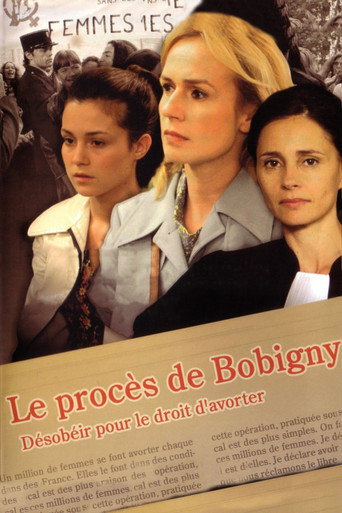
In 1972 16-year-old Marie-Claire became pregnant after a rape. With help from her mother Michelle and three other women, she underwent a clandestine abortion. Under a 1920 law, the five women were arrested and charged. Supported by a procession of well-known French (eg Simone de Beauvoir), the five were released and the law was adapted.
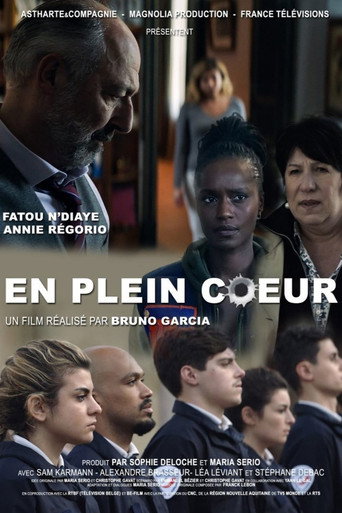
Police cadet Fred Leprince is found dead inside the police academy. His sister Émilie, also a cadet there, doesn't believe the suicide theory.
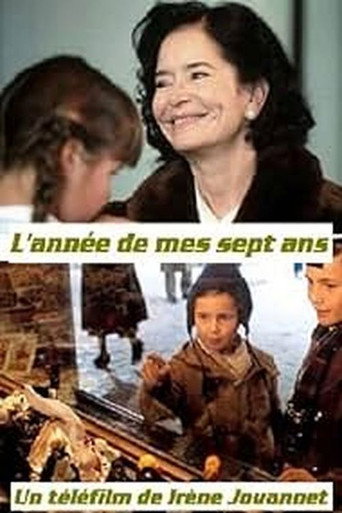
My name is Hélène and 1952 was not an easy year for me. First, because my parents decided to leave Montpellier for Paris but without taking me and my big brother Michel along with them. Why, I don't know... The fact remains that I had to leave the south for Lille, in the North, where my grandmother Yaya (her true name is Alice but this is the way call her) and my grandfather Georges were living. What I disliked most was that Yaya had a preference for Michel and that Granddaddy was too grumpy. In Lille I also got very upset when pupils at the catholic school I attended told me I was... Jewish. Jewish? I didn't even know that Jews even existed. And when I knew better about them (Michel was more informed than I was), what a shock it was when I learned that my two other grandparents had been sent to a concentration during the war. A little too much for a little girl like me. A sure thing is that I will never forget the year 1952, the year when I was seven...
A businessman sentenced to social work in an isolated community gets to know a local resident and her daughter.
He invents puzzles. He’s committed body and soul to his work and needs silence to be able to concentrate. She is an accomplished pianist and can’t live without music. She must prepare for a competition that could change her life. They are going to be forced to coexist without seeing each other.
Vazquez, 60, owns a small French publishing house. His mother, a Spanish refugee, raised him in the memory of a father, hero of the resistance under Franquism. His daughter Lauriane, 30, has a complicated love life, but still lives with her father.
A couple is running down the stairs of Montmartre. Sophie’s moving that way because she really wants to pee, her boyfriend is teasing her. They go into a toy shop to buy a present. She grabs a baby doll, he makes fun of her, reminding her that Gus is a boy. Sophie is now annoyed and they start arguing about the differences between girls and boys: the gender theory. Up to what point will they argue ? We end up in the middle of their debate, full of dishonesty and wit.