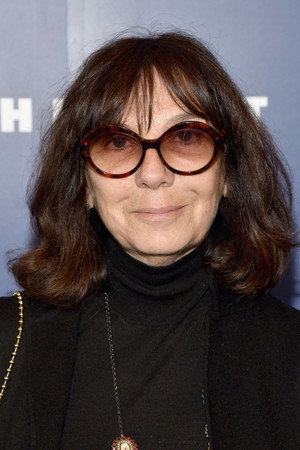
Sophie Calle Movies, TV Shows, and Filmography
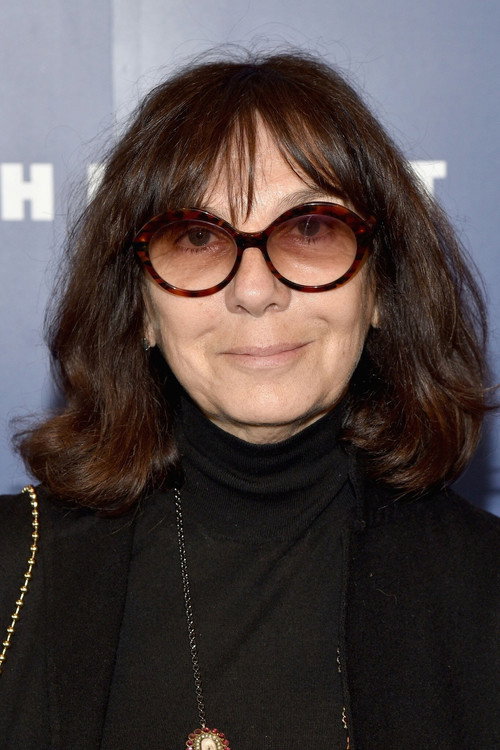
Sophie Calle
Directing
Biography
Sophie Calle (born 9 October 1953) is a French writer, photographer, installation artist, and conceptual artist. Calle's work is distinguished by its use of arbitrary sets of constraints, and evokes the French literary movement of the 1960s known as Oulipo. Her work frequently depicts human vulnerability, and examines identity and intimacy. She is recognized for her detective-like ability to follow strangers and investigate their private lives. Her photographic work often includes panels of text of her own writing. Since 2005 Calle has taught as a professor of film and photography at European Graduate School in Saas-Fee, Switzerland. She has lectured at the University of California, San Diego in the Visual Arts Department. She has also taught at Mills College in Oakland, California. Exhibitions of Calle's work took place at the Centre Georges Pompidou, Paris; Hermitage Museum, St. Petersburg, Russia; Musée d'Art et d'Histoire du Judaïsme, Paris; Paula Cooper Gallery, New York; Palais des Beaux-Arts, Brussels, Belgium; Videobrasil, SESC Pompeia, São Paulo, Brazil; Museum of Modern Art of Bahia, Salvador, Brazil; Whitechapel Gallery, London; and the De Pont Museum of Contemporary Art, Tilburg, Netherlands. She represented France at the Venice Biennale in 2007. Landmarks, the public art program of The University of Texas at Austin, exhibited Double-Blind (1992) and archived an essay dedicated to Calle and her work on their website. In 2017 she was shortlisted for the Deutsche Börse Photography Prize for her publication My All (Actes Sud, 2016). In 2019 she was the recipient of the Royal Photographic Society's Centenary Medal and Honorary Fellowship.
Filmography Movies
Acting
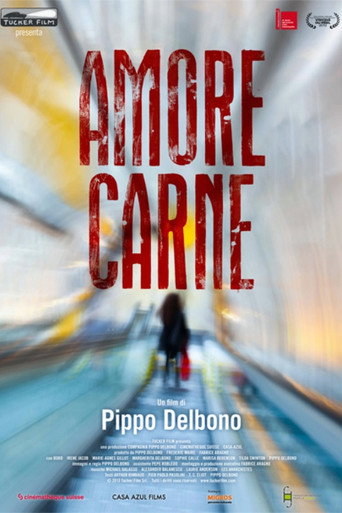
Love Flesh
During the course of a series of voyages, the pocket cameras of Pippo Delbono capture unique moments, ordinary and extraordinary meetings. From a hotel room in Paris to another in Budapest, from Istanbul to Bucharest, the journeys weave a fabric of the contemporary world. Its testimonials – some famous, others anonymous – say or dance their vision of the universe.
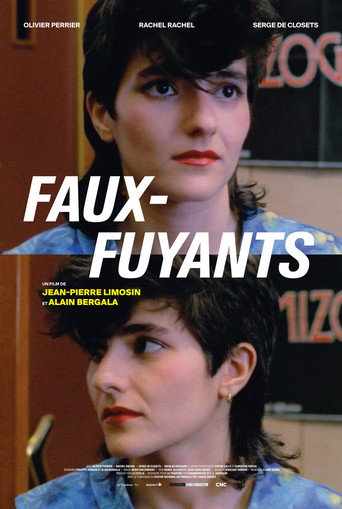
Subterfuge
After committing a hit and run, a man insinuates himself into the lives of the victim's family.
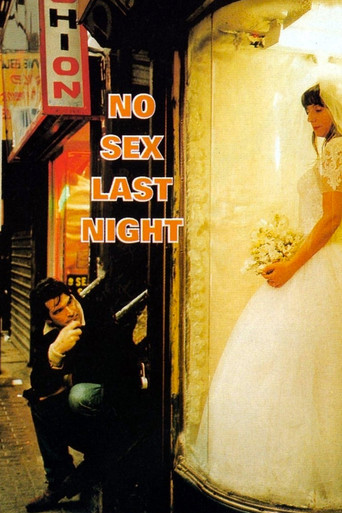
No Sex Last Night
Armed with camcorders, French artist Sophie Calle and American photographer Greg Shephard head West across the United States in his Cadillac convertible to produce and document a narrative of their journey and relationship.
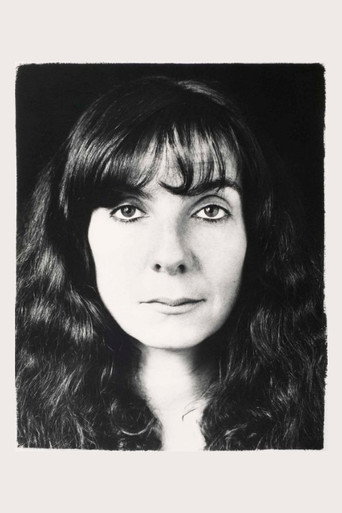
Contacts: Sophie Calle
Sophie Calle often defines herself as a "narrative" artist. Her photographs are items of evidence through which she tells stories that are both ordinary and disturbing, using her own life and experiences as the raw material for reconstructions that hover somewhere between truth and fiction. The Contacts collection is an invitation to discover the artistic approach of the greatest contemporary photographers from an original angle. Through a series of images (contact sheets, proofs, prints and slides), with a commentary by the photographer, the viewer enters the secret world of their creation and is guided into the heart of the photographic creative process.
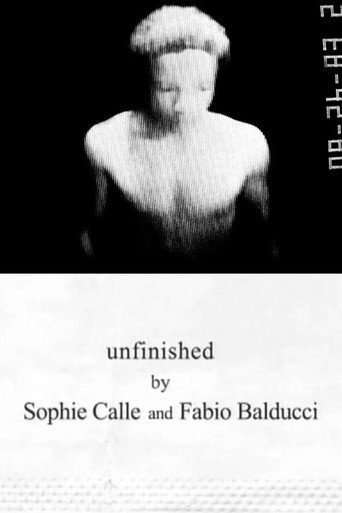
Unfinished
Upon receiving a series of photographs taken from an ATM security camera, Calle becomes involved in a perplexing fifteen-year investigation. She manages to steal three surveillance tapes, and interacts with strangers, bank employees, and a pawn shop merchant in an attempt to clarify the meaning of money, security, and the anonymous photographs. The images, originally exhibited in an installation entitled Cash Machine, are now presented as the central narrative in this unresolved investigation.
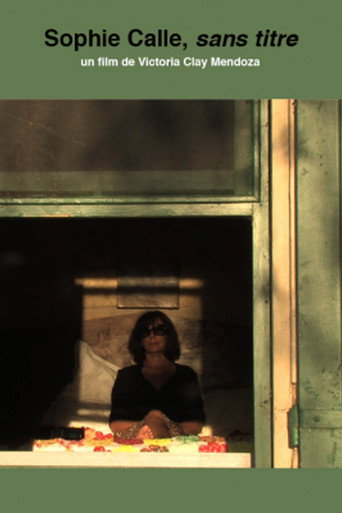
Sophie Calle, Untitled
Sophie Calle, an artist in constant search and concern for others and herself, relates her life in the form of a letter read aloud.
Production
No Sex Last Night
Armed with camcorders, French artist Sophie Calle and American photographer Greg Shephard head West across the United States in his Cadillac convertible to produce and document a narrative of their journey and relationship.
Unfinished
Upon receiving a series of photographs taken from an ATM security camera, Calle becomes involved in a perplexing fifteen-year investigation. She manages to steal three surveillance tapes, and interacts with strangers, bank employees, and a pawn shop merchant in an attempt to clarify the meaning of money, security, and the anonymous photographs. The images, originally exhibited in an installation entitled Cash Machine, are now presented as the central narrative in this unresolved investigation.
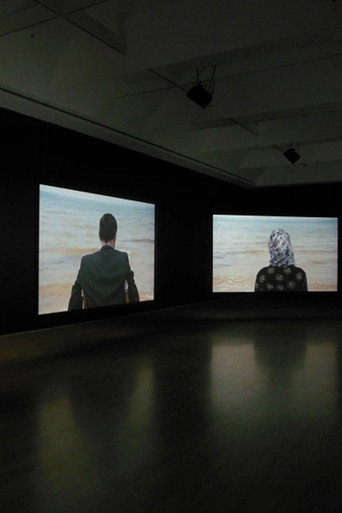
Voir la mer
Voir la mer (2011) is a multi-channel video installation with the overwhelming sound of ocean waves crashing in on a beach
Gallery