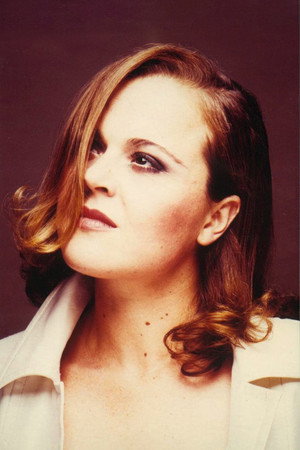
Sonia Ganassi Movies, TV Shows, and Filmography
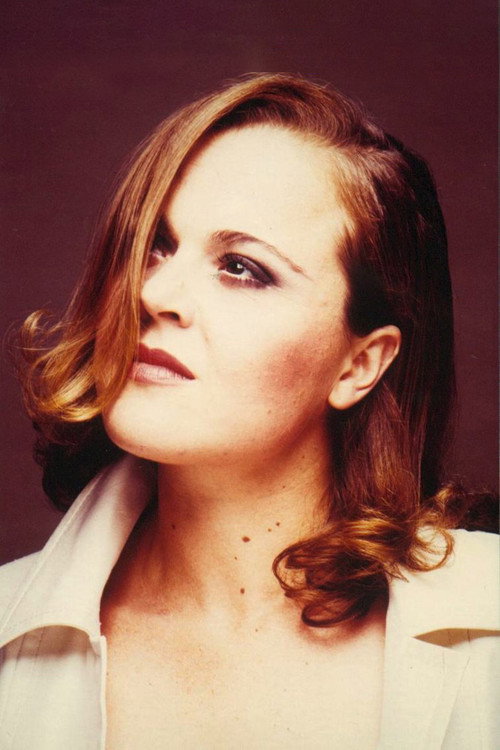
Sonia Ganassi
Acting
Biography
No biography available.
Filmography Movies
Acting
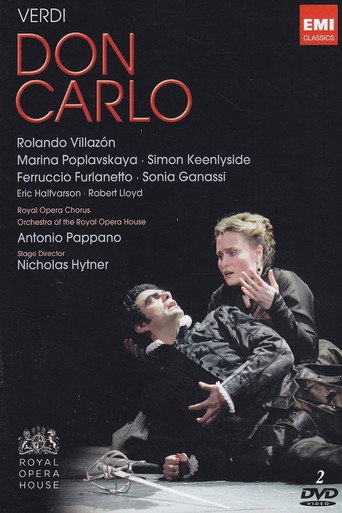
Don Carlo - ROH
Rolando Villazón Triumphantly Returns To The Stage As Don Carlo In The 2007/2008 Royal Opera House'S Producton Of Don Carlo. National Theatre director Nicholas Hytner's new staging of Verdi's grandest-- and arguably greatest -- opera, Don Carlo, was the highlight of the 2007/2008 Royal Opera House season. This new production marked Rolando Villazón's much anticipated and triumphant return. Set amidst the political, religious and sexual intrigue of the 16th century Spanish court, this epic work tells the tragic story of Don Carlo, a virtuous young prince who is pitted against the powers of a dominant, corrupt society. First staged at The Royal Opera House in 1886, this new production is the first new version of the 5-Act complete opera to be staged at Covent Garden in 50 years. With sets and costumes by Bob Crowley, direction by Nicholas Hytner, and an enviable cast, this production of Don Carlo is worthy of the greatness of Verdi's original, masterful work.
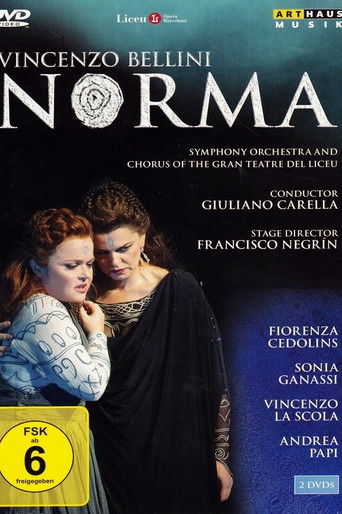
Norma
NORMA tells the tragic story of a supposedly chaste druidic priestess, who is driven to murderous jealousy by her lover's inconstancy. But she forgoes vengeance, protects innocence, and sees to it that the guilty atone for their crimes. Fiorenza Cedolins, Sonia Ganassi, Vincenzo La Scola, and Andrea Papi star in this 2007 Gran Theatre Del Liceu/Grand Theatre de Geneve co-production of the Bellini opera.
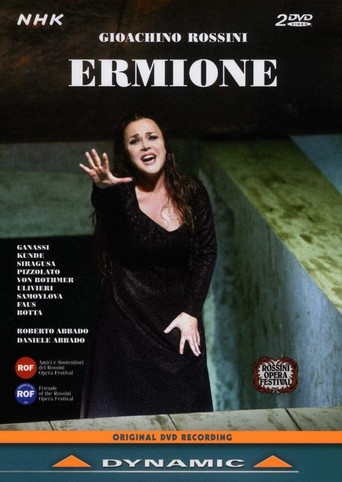
Gioachino Rossini: Ermione
Hermione, whose consort Pyrrhus has fallen in love with Andromache, is torn apart by hatred and love. When Adromache yields to Pyyrhus, in order to save her son, Astyanax, Hermione is overcome with jealousy and invites Orestes to avenge her. Dominated by a desperate, inextinguishable passion for her, Orestes accepts. But love is stronger than hatred and when Orestes returns with his dagger dripping blood, Hermione is seized with pain and collapses on the ground cursing him. From the Rossini Opera Festival, 2008.
Maria Stuarda
Maria Stuarda is a searingly dramatic setting of Friedrich Schiller’s play about Mary, Queen of Scots, and her political and personal rivalry with Queen Elizabeth I of England. While based relatively closely on historical characters and events, the opera’s central scene is fictional: the highly emotional meeting of the queens that concludes the first act (originally invented by Schiller) never took place. It’s a dramatic device that brilliantly highlights the two women’s contrasting characters.
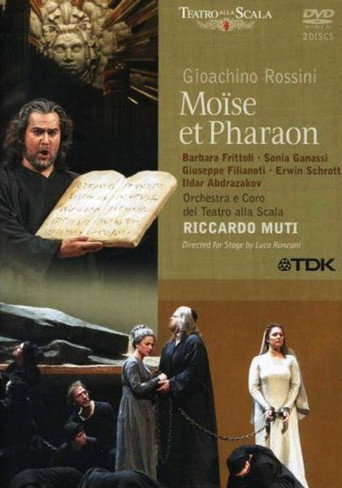
Rossini: Moïse et Pharaon
Live from La Scala Wednesday 10 December 2003
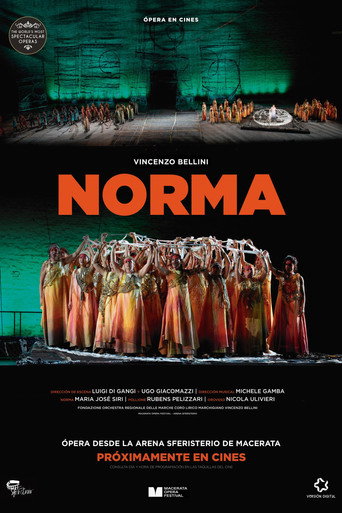
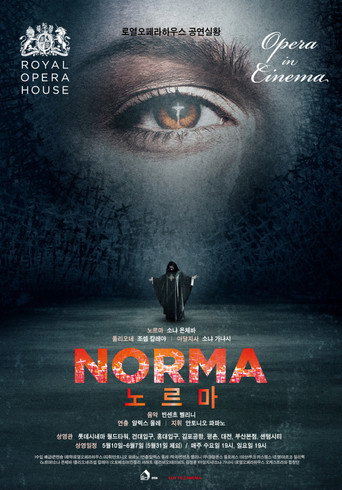
Royal Opera House: Norma
The priestess Norma loves Pollione, leader of the occupying force suppressing her people, and has borne two children by him. But Pollione’s love has withered, and he now loves Norma’s fellow priestess Adalgisa. Meanwhile, the people urgently look to Norma to lead their rebellion.
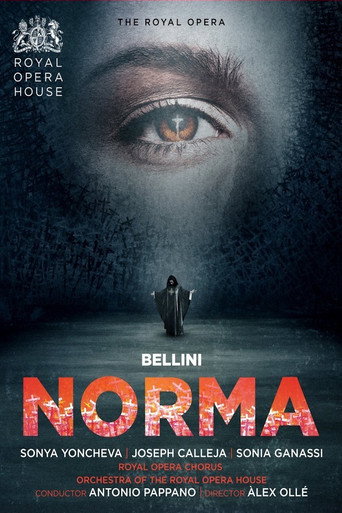
Bellini: Norma
The priestess Norma loves Pollione, leader of the occupying force suppressing her people, and has borne two children by him. But Pollione’s love has withered, and he now loves Norma’s fellow priestess Adalgisa. Meanwhile, the people urgently look to Norma to lead their rebellion. Norma discovers the love between Pollione and Adalgisa. Furiously she gives the signal for war. Pollione is captured, attempting to steal away with Adalgisa. Norma, called upon to announce a sacrificial victim to consecrate the uprising, declares it shall be a guilty priestess: herself.
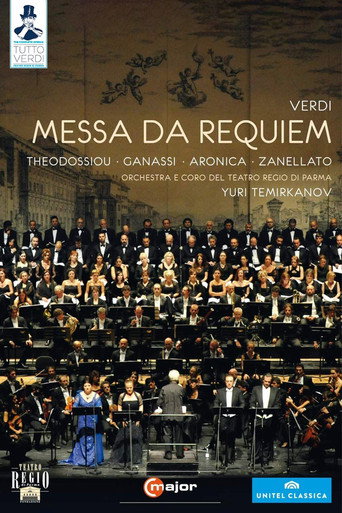
Messa da Requiem (2011)
A requiem inspired by the death, on May 22, 1873, of the Italian poet and writer Alessandro Manzoni, author of the novel “The Betrothal”. Giuseppe Verdi’s “Messa da Requiem” (more commonly known as the “Verdi Requiem”) is a requiem mass for soloists (soprano, mezzo-soprano, tenor, and bass), double choir, and orchestra, premiered on May 22, 1874, at the Church of San Marco in Milan. The Requiem is Verdi’s only major composition not intended for the opera. From the 27-opera Verdi box set “Tutto Verdi.” Recorded live at the Teatro Farnese in Parma on October 8, 2011.
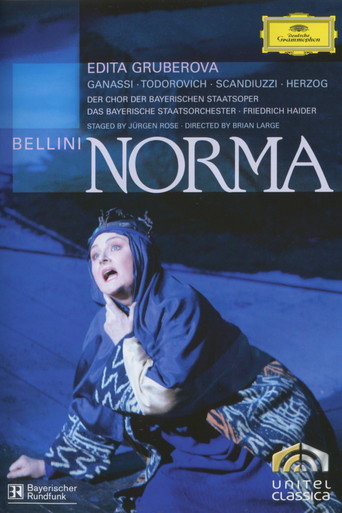
Norma
This new production of Bellinis Norma by Jürgen Rose (sets, costumes, stage direction, and lighting) to honor Edita Gruberovas first staged assumption of the title role was taped in January and February of 2006 in Munich. It does neither the opera nor the soprano any favors. In most ways, its a pretty gloomy affair.
Gallery