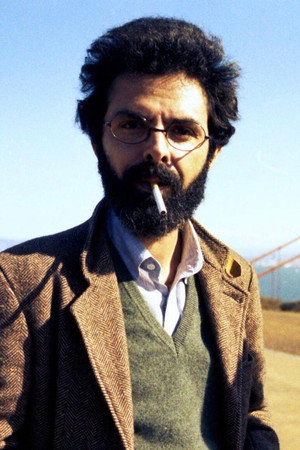
Sohrab Shahid Saless Movies, TV Shows, and Filmography

Sohrab Shahid Saless
Directing
Biography
Sohrab Shahid-Saless was born in Tehran in 1944 to a middle-class family and lived in Tehran. Saless was a storyteller as a child, with a passion for visualizing his narrations. In 1963, Shahid Saless left Iran for Vienna, where he attended a film school and an acting school at the same time, but his studies were discontinued there in 1967 due to a sudden diagnosis of tuberculosis. In the midst of treatment, he left for Paris to continue his film studies at the prestigious Independent Conservatory of French Cinema, and shortly thereafter, in 1968, he returned to Iran. Upon his return to Tehran, Shahid Saless began work with the Iranian Ministry of Culture as a documentary filmmaker, where he produced multiple short films and documentaries, partly on the topic of traditional dance amongst different Iranian ethnic groups. In the course of his stay in Iran (1968–74), he produced two major feature films, Yek ettefāq-e sāda (A Simple Event, 1973) and Ṭabiʿat-e bijān (Still Life, 1974), both of which won major international awards for their social realist depiction of life in Iran and for their innovative cinematographic and experimental style.Shahid Saless also made several short films for the Ministry of Culture and Arts. He made many commissioned films on the local folkloric dances of various ethnic groups. He also started making short documentaries depicting the unnerving condition of life among the working class. Unsurprisingly, the political subversive message of these films was disliked by the government, and Shahid Saless was forced to leave the country. Settled in Germany in 1974, Shahid Saless started producing documentaries for the German media. The movies he made gained him further international recognition, and he continued making documentary and feature films for major German television programs. He made his last movie, Rosen für Afrika, in 1991 for German television. In 1992, he left Germany for the United States to join his family. He died from a chronic illness related to his liver from which he suffered throughout his life. Shahid Saless is known to be a pioneer of the new wave of Iranian cinema. In his own words, his cinema intends to document the “antagonism between man and society”. In the course of his oeuvre, he viewed the role of cinema as “to make conscious of indignity and inhumanity of life".
Filmography Movies
Acting
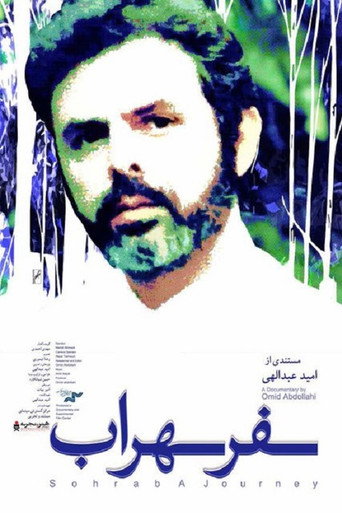
Sohrab, A Journey
A different film about Sohrab Shahidsaless, the late Iranian filmmaker. In this lengthy documentary, video images and unseen shots from Sohrab Shahid Salate have been used.
Beyond the Barrier of Sound
This movie takes a unique look at Baghtcheban School, the special school for deaf children, how it deal with teaching the kids and how they lives are effected by it.
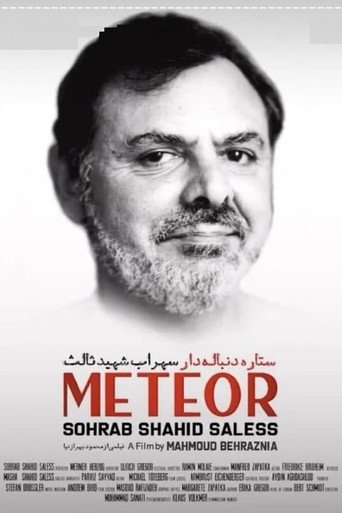
Meteor: Sohrab Shahid Saless
Meteor: Sohrab Shahid Saless by Mahmoud Behraznia is a documentary with a different perspective on Sohrab Shahid Saless, a leading Iranian filmmaker. Someone whose viewpoint at cinema and the special type of aesthetics he used in his films has been a path-breaker for many Iranian filmmakers. The film provides the viewer with new information about the life and work of Sohrab Shahid Saless in Germany.
Sohrab Shahid Saless: Far from Home
Filmmaker Mehrnaz Saeed-Vafa interviews the veteran filmmaker three weeks before his death in an effort to introduce American cinephiles to his life and work. In addition, Saeed-Vafa skillfully uses film clips to illustrate the haunting quality of Saless' work and the impact it has had on generations of Iranian filmmakers.
Production
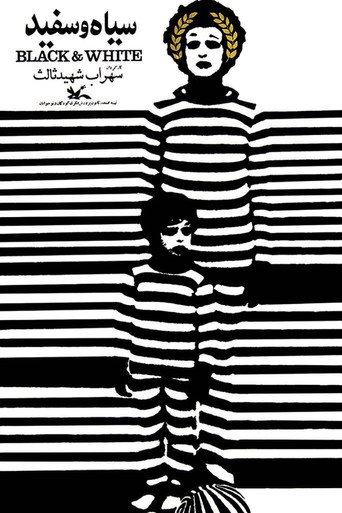
Black and White
Short film made with stop motion animation techniques.
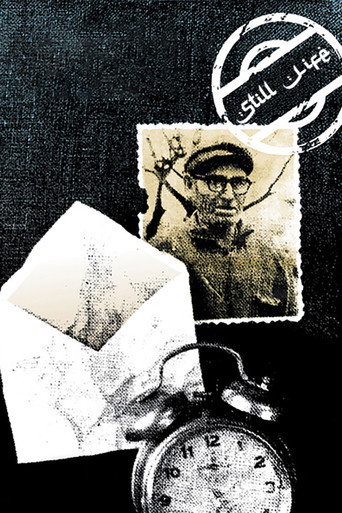
Still Life
A railway crossing guard and his wife live in a routine of total isolation and uneventfulness.

Utopia
A treatise on love and desire tainted by harsh reality of capitalism, in which submission to the laws of lust-as-commerce is played out by five prostitutes and their pimp, who pits them against one another so that they are incapable of standing up to him collectively.
Grabbe's Last Summer
Depiction of the short life of the influential, troubled playwright Christian Dietrich Grabbe. Impoverished and suffering from illness, Grabbe returns to his hometown of Detmold in 1823 seeking peace and reconciliation. His final days are marked by rapidly deteriorating health, an intense struggle with alcohol, and complex, strained relationships with his sister and friends who attempt to care for him.
The Willow Tree
An elderly man lives a solitary and rhythmic life by a dilapidated mill near a river. His days are spent almost entirely in silence, fishing under the shade of a massive, ancient willow tree that seems as old and weathered as he is. One Sunday, while fishing, he witnesses a murder.
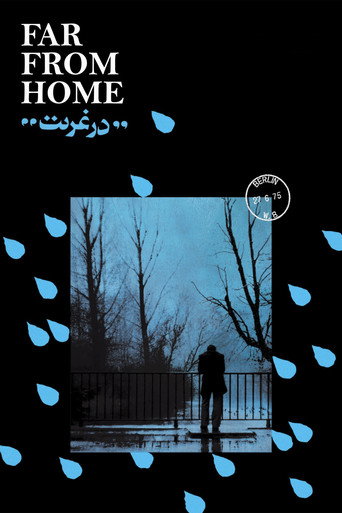
Far from Home
Turkish migrant Husseyin spends his days in hypnotic routine as a “guest worker” in ‘70s West Berlin, living in a small, shared apartment and commuting daily to his job at a factory pressing machine parts. Diligently saving up his wages he hopes to one day marry and buy a house back home, but his immediate future in Berlin is clouded by indignities at the hands of racist coworkers and botched attempts at romantic intimacy.
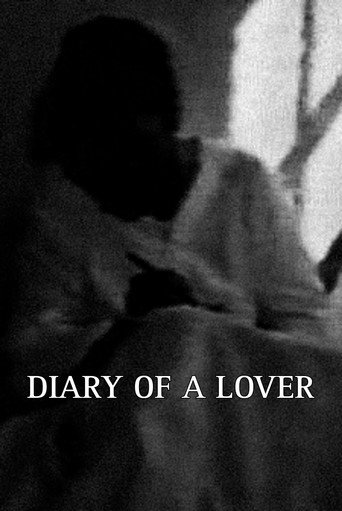
Diary of a Lover
A diary of a lonely 30 year old man who works as a butcher in a supermarket. The movie shows his daily life between the supermarket and his flat. His ability to communicate is limited. From time to time his mother visits him. But his relationship to her is rather reserved. Constantly he's waiting for his girlfriend which is not visiting him anymore after they had a fight.
Diary of a Lover
A diary of a lonely 30 year old man who works as a butcher in a supermarket. The movie shows his daily life between the supermarket and his flat. His ability to communicate is limited. From time to time his mother visits him. But his relationship to her is rather reserved. Constantly he's waiting for his girlfriend which is not visiting him anymore after they had a fight.
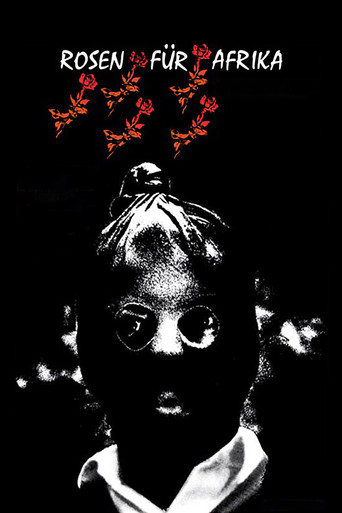
Roses for Africa
A psychodrama about how injustice is turned into oblivion about an opportunity worker and a woman from the civil house of a marriage for 30 years . Soon the relationship fails due to the aggressive, also destructive tendencies of the man who enters a deep personal crisis. When the marriage coined/shaped of force and Psychoterror goes finally into the breaks, the man looks for comfort in the alcohol and becomes criminal.
Utopia
A treatise on love and desire tainted by harsh reality of capitalism, in which submission to the laws of lust-as-commerce is played out by five prostitutes and their pimp, who pits them against one another so that they are incapable of standing up to him collectively.
Gallery