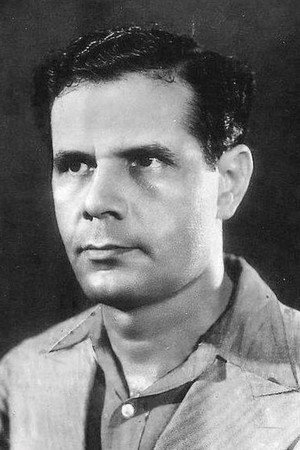
Sohrab Modi Movies, TV Shows, and Filmography
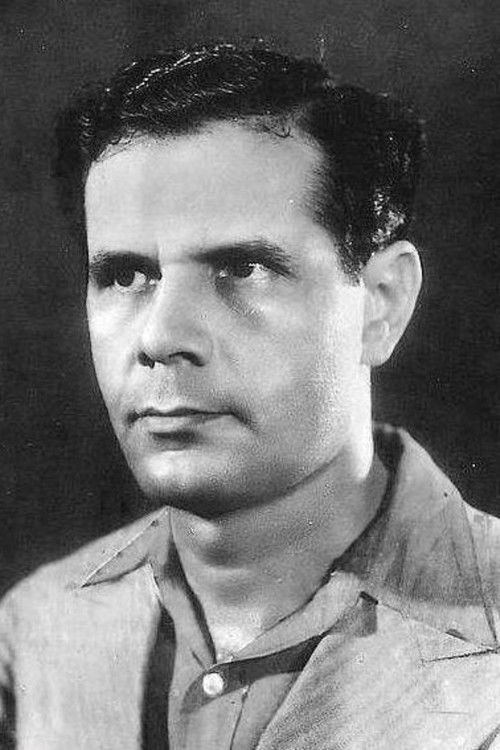
Sohrab Modi
Directing
Biography
Sohrab Modi (1897–1984) was one of the towering figures of early Indian cinema—a director, producer, and actor whose work brought historical grandeur and social reform to the silver screen. Known for his booming voice and Shakespearean gravitas, he began his career in theatre and was deeply influenced by Parsi stage traditions. He founded Minerva Movietone in the 1930s, a studio that became synonymous with epic historical dramas and socially relevant films. Modi’s hallmark was his dedication to moral seriousness and elaborate period detail. His most celebrated works include Pukar (1939), Sikandar (1941), and Prithvi Vallabh (1943), films that combined visual splendor with stirring oratory and nationalist undercurrents. He was also a pioneer of courtroom and social dramas—Jhansi Ki Rani (1953), one of India’s first Technicolor films, and Ek Din Ka Sultan (1945) reflected his enduring interest in justice, reform, and strong historical women. Though later overshadowed by more contemporary styles of filmmaking, Sohrab Modi’s legacy remains vital. He helped define the moral and aesthetic vocabulary of early Indian cinema, and his work continues to be remembered for its theatrical eloquence, patriotism, and cultural pride.
Filmography Movies
Acting

Pukar
A love affair and two feuding families who play out a Romeo and Juliet type drama in 17th century India, under the Emperor Jehangir.

Jhansi Ki Rani
Set in the 19th century against the backdrop of the Mutiny of 1857, the film is about the bravery of queen Lakshmibai, Rani of Jhansi, who took up arms and led her army against the British.
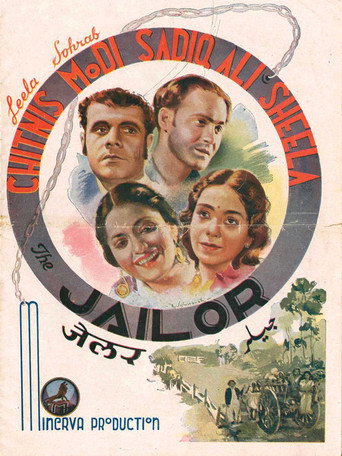
Jailor
Modi's first psychodramatic role as a liberal man becoming a tyrannical jailer. He loses his wife to a lover who then goes blind. The jailer locks up his wife, Kanwal, in their own home, forbidding any contact with their child, Bali. Later the jailer himself falls in love with a blind woman.

Sikandar
The film begins after Alexander the Great (Sikander in Hindi/Urdu) conquers Persia and the Kabul valley and approaches the Indian border at Jhelum. Sohrab Modi plays the Indian king Puru (Porus to the Greeks). The story goes that when Sikander defeated Porus and imprisoned him, he asked Porus how would he like to be treated. Porus replied the same way a defeated king is treated by the winner (meaning killed).
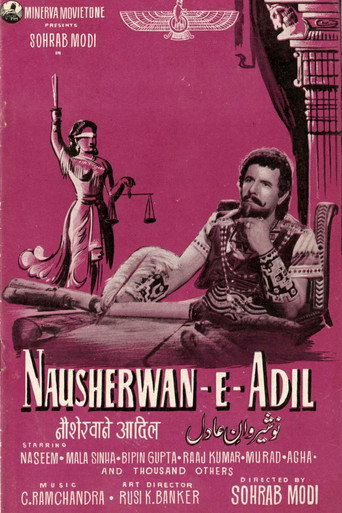
Nausherwan-E-Adil
A fair-minded emperor improves and introduces new laws, but ends up facing challenges when his son violates them.
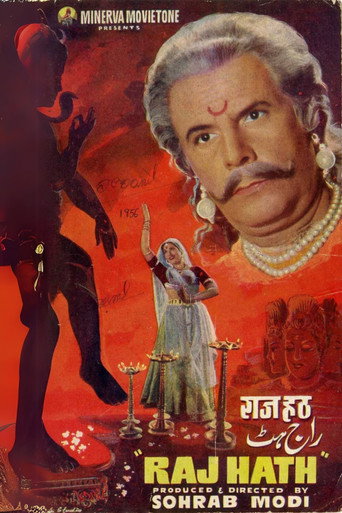
Raj Hath
A stubborn emperor plans to wage war against another who had humiliated him and his daughter.

Ek Nari Ek Brahmachari
Raisaheb Surajbhan Chaudhary has two sons - Rajkumar who has not produced an heir to his family and other is Mohan, a devout worshiper of Lord Bajrangbali and refuses to get married. Things change dramatically when a young woman named Neena, along with her son, enters the Chaudhary household claiming that Mohan had married and abandoned her.

Kundan
Classic Bollywood film about a young man whose poverty leads him to commit crimes which, in turn, lead him to harsher and harsher punishments.
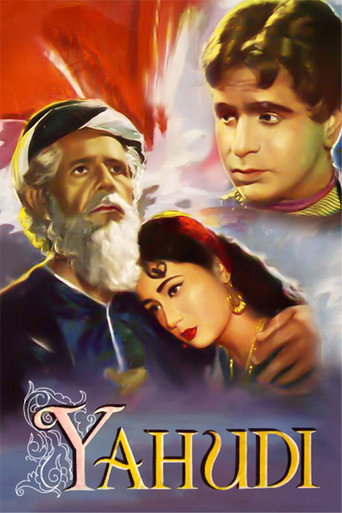
Yahudi
In ancient Rome, a mourning Jewish man raises the kidnapped daughter of Roman royalty as his own - and she grows up without learning her true identity. Years later, she falls in love with a Roman prince.
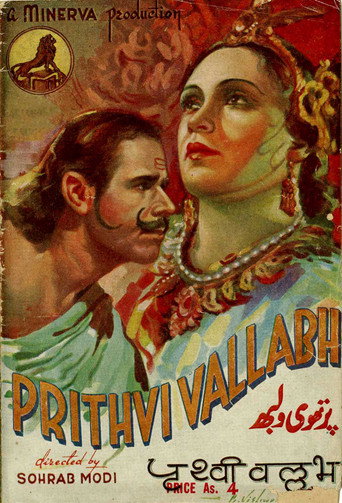
Prithvi Vallabh
The story revolves around two kings, Prithvi Vallabh (Munj) of Avantipur who is kind and just, and Tailap, a neighboring king who is cruel. With the help of his sister Mrinalvati (Durga Khote) and another neighbouring king Bhillam (K. N. Singh), Tailap manages to capture Prithvi Vallabh. The rest of the film follows incidents following his captivity.
Production

Bharosa
Gyan leaves his wife Shobha in the care of his friend Rasik while he travels abroad. In his absence, Shobha and Rasik fall in love and have a child, Indira. Years later, unaware of the truth, Gyan returns and unknowingly arranges Indira’s marriage to Rasik’s son—her half-brother—setting the stage for a dramatic and morally complex revelation.
Pukar
A love affair and two feuding families who play out a Romeo and Juliet type drama in 17th century India, under the Emperor Jehangir.
Jailor
Modi's first psychodramatic role as a liberal man becoming a tyrannical jailer. He loses his wife to a lover who then goes blind. The jailer locks up his wife, Kanwal, in their own home, forbidding any contact with their child, Bali. Later the jailer himself falls in love with a blind woman.
Jhansi Ki Rani
Set in the 19th century against the backdrop of the Mutiny of 1857, the film is about the bravery of queen Lakshmibai, Rani of Jhansi, who took up arms and led her army against the British.
Nausherwan-E-Adil
A fair-minded emperor improves and introduces new laws, but ends up facing challenges when his son violates them.

Ek Din Ka Sultan
A commoner and a noblewoman fall in love after he saves her from a fire, but her father is against their marriage.
Ek Din Ka Sultan
A commoner and a noblewoman fall in love after he saves her from a fire, but her father is against their marriage.

Shama
Film starring Mehtab and Wasti.
Sikandar
The film begins after Alexander the Great (Sikander in Hindi/Urdu) conquers Persia and the Kabul valley and approaches the Indian border at Jhelum. Sohrab Modi plays the Indian king Puru (Porus to the Greeks). The story goes that when Sikander defeated Porus and imprisoned him, he asked Porus how would he like to be treated. Porus replied the same way a defeated king is treated by the winner (meaning killed).
Sikandar
The film begins after Alexander the Great (Sikander in Hindi/Urdu) conquers Persia and the Kabul valley and approaches the Indian border at Jhelum. Sohrab Modi plays the Indian king Puru (Porus to the Greeks). The story goes that when Sikander defeated Porus and imprisoned him, he asked Porus how would he like to be treated. Porus replied the same way a defeated king is treated by the winner (meaning killed).
Gallery