Sofia Marques Movies, TV Shows, and Filmography

Sofia Marques
Acting
Biography
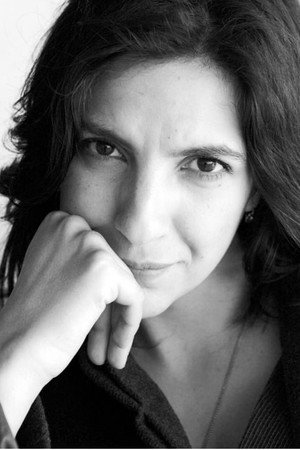
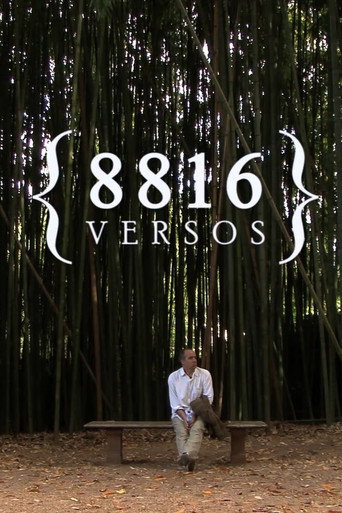
Actress and filmmaker, Sofia Marques trained at the Escola Profissional de Teatro de Cascais and has built a career spanning cinema, theatre, television and documentary. In film, she appeared in Anda Daí by João Lameira, As Meninas Exemplares and Um Filme em Forma de Assim by João Botelho, Ordem Moral by Mário Barroso, Ramiro by Manuel Mozos, Amor Amor by Jorge Cramez and Veneno Cura by Raquel Freire, among others. As a director, she created documentaries such as Ilusão (Audience Award, DocLisboa 2014), 8816 Versos and Verdade ou Consequência. On stage, she has performed works by Brecht, Shakespeare, Lorca, Pirandello, Pasolini and Genet, in productions by Luís Miguel Cintra, António Pires, Ricardo Aibéo, Tonan Quito and Carlos Pimenta, presented at venues including Teatro Nacional São João, São Luiz Teatro Municipal and Festival de Almada. On television, her credits include A Filha (TVI), Madrugada Suja (RTP), Ao Largo (RTP), Conta-me Como Foi (RTP) and, in streaming, Glória (Netflix). She received the Prémio Autores for Best Theatre Actress and the Best Actress Award at the Pollino International Film Festival (Italy).
Filmography Movies
Acting
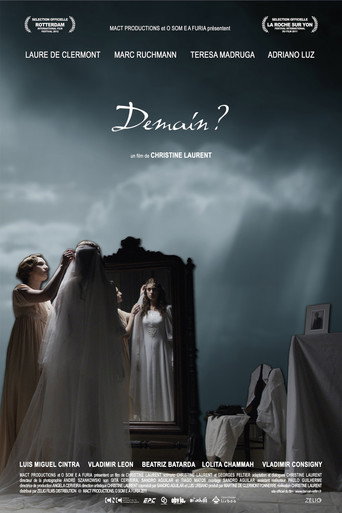
Demain?
The short life of the Uruguayan poet Delmira Agustini is colourfully portrayed, not as a conventional biopic, but as a visual poem which evokes the turbulent life and complex personality of the literary heroine as she develops her genius for writing.
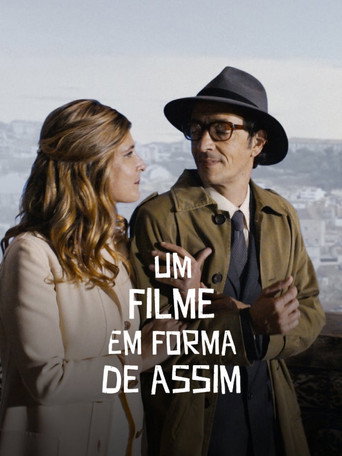
Um Filme em Forma de Assim
Organized like a dream, structured like a musical and with texts, both spoken and sung, that lead us to unexpected, chaotic and exciting situations, which try to grasp part of what the unattainable Alexandre O'Neill left us.
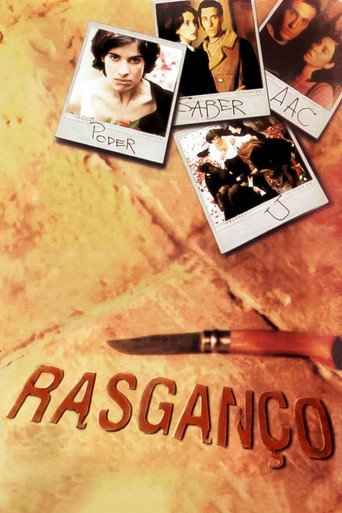
Rending
A philosophy-obsessed serial rapist stalks a university campus in broad daylight.
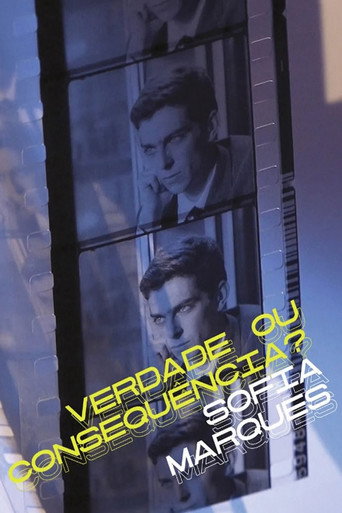
Truth or Dare?
Theatre is life, as movement is life. In "Truth or Dare?", Sofia Marques sets off in search of her friend and actor Luis Miguel Cintra; and Cintra is in search of himself, both excavating the matter and memory of theatre, the matter and memory of life. At home surrounded by statuary and by his Porto, by the sea and in Spain where he was born, on a stage of light and shadow, in the films of Manoel de Oliveira or in the poems of Ruy Belo.
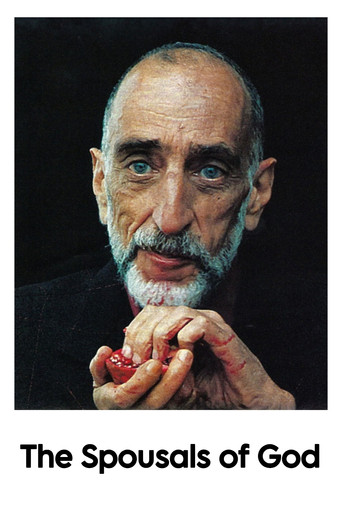
The Spousals of God
After receiving a visit from a messenger of God, João de Deus wins his buddy's girlfriend through a roll of the dice.
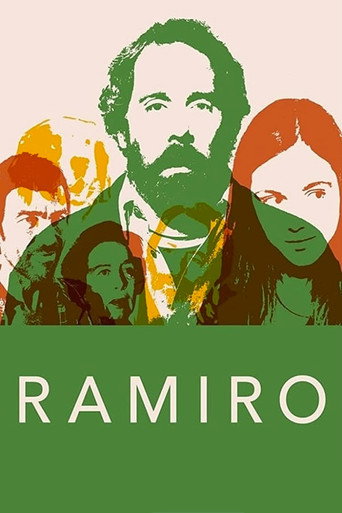
Ramiro
Ramiro is a bookstore owner in Lisbon and a poet in perpetual creative block. He lives, somewhat frustrated, somewhat conformed, between his shop and the tavern, accompanied by his dog, his faithful drinking companions and his neighbors: a pregnant teenager and her grandmother recovering from a stroke. He would gladly continue living this quiet and somewhat anachronistic routine if events worthy of a soap opera did not invade his bubble.
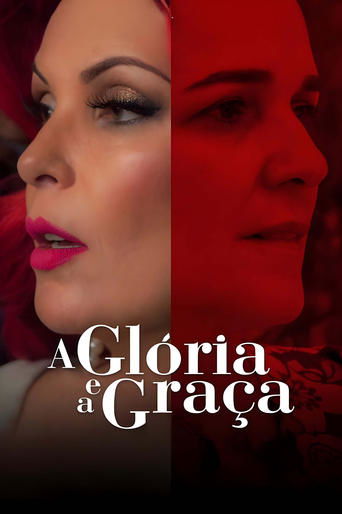
Gloria and Grace
Gloria, a successful and happy transvestite, lives far from her sister Grace. When Grace discovers she has a terminal illness, the two try to bring their families closer together to re-establish the relationship between the cousins.

Love Love
Marta and Jorge have been a couple for seven years. All their friends think they are living a perfect romance. Too perfect, perhaps, for the despair of all: Bruno, who is much younger than Marta but madly in love with her; Lígia, who is Bruno's sister and Marta's best friend and would love to see her brother happy; Carlos, Jorge's friend, who maintains a superficial romance with Lígia while secretly in love with Marta; and for Jorge himself, who is afraid this idyllic romance will imprison him and, convinced that his love and his lover's desire to marry will take away his freedom, decides to show her the way into Carlos arms.
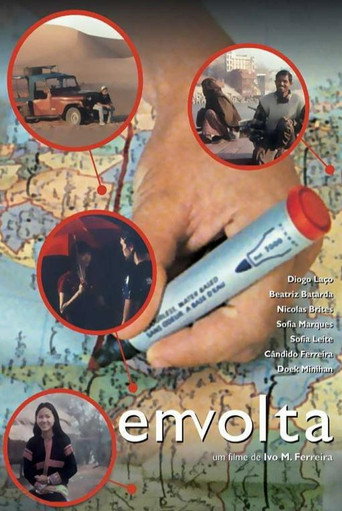
Em Volta
Vicente goes to Egypt to cover some news for his newspaper, but then he decides to take the investigation further, along the Tropic of Cancer, further and further away (in time and space) from home, and his difficult love life. Therefore he revisits the lands explored 500 years before by the seafarers from his own people: Egypt, India, Thailand, Vietnam, Nepal, Laos, China... Eventually he must come back.
Production
Truth or Dare?
Theatre is life, as movement is life. In "Truth or Dare?", Sofia Marques sets off in search of her friend and actor Luis Miguel Cintra; and Cintra is in search of himself, both excavating the matter and memory of theatre, the matter and memory of life. At home surrounded by statuary and by his Porto, by the sea and in Spain where he was born, on a stage of light and shadow, in the films of Manoel de Oliveira or in the poems of Ruy Belo.
Truth or Dare?
Theatre is life, as movement is life. In "Truth or Dare?", Sofia Marques sets off in search of her friend and actor Luis Miguel Cintra; and Cintra is in search of himself, both excavating the matter and memory of theatre, the matter and memory of life. At home surrounded by statuary and by his Porto, by the sea and in Spain where he was born, on a stage of light and shadow, in the films of Manoel de Oliveira or in the poems of Ruy Belo.
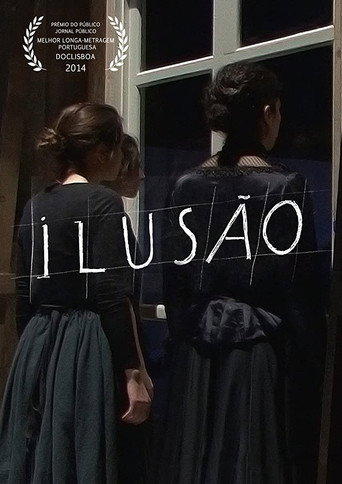
Illusion
Luis Miguel Cintra, renowned actor, stage director and director of the Portuguese theatre company Teatro da Cornucópia, staged the play Illusion in early 2014. This play was based upon texts by Federico García Lorca. However, the 119th company's show was no ordinary show, for in the cast there were 59 non-actors, amateurs and theatre students.
Illusion
Luis Miguel Cintra, renowned actor, stage director and director of the Portuguese theatre company Teatro da Cornucópia, staged the play Illusion in early 2014. This play was based upon texts by Federico García Lorca. However, the 119th company's show was no ordinary show, for in the cast there were 59 non-actors, amateurs and theatre students.

Viva
When his estranged father returns, a hairdresser is forced to quit performing at the local drag club.
Illusion
Luis Miguel Cintra, renowned actor, stage director and director of the Portuguese theatre company Teatro da Cornucópia, staged the play Illusion in early 2014. This play was based upon texts by Federico García Lorca. However, the 119th company's show was no ordinary show, for in the cast there were 59 non-actors, amateurs and theatre students.
Gallery