Sofia Espírito Santo Movies, TV Shows, and Filmography
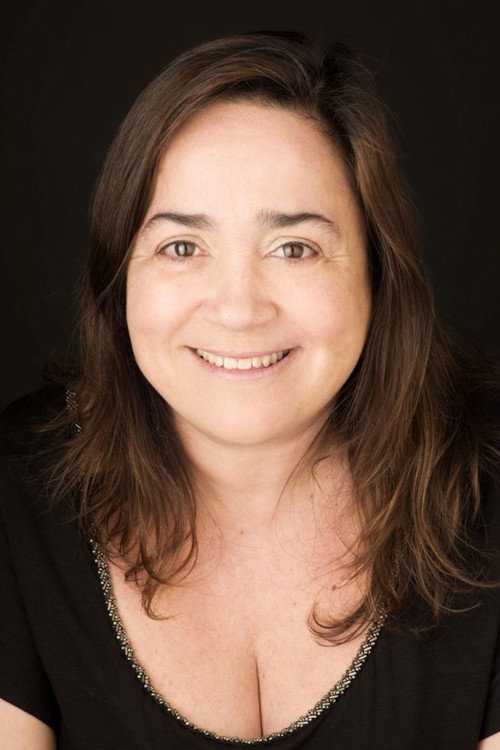
Sofia Espírito Santo
Acting
Biography
Sofia Espírito Santo was born in Lisbon on January 4, 1975. In 2001, when she was working in the Botanical Garden of Valencia (Spain), she realized that she really wanted to be an actress. She returned to Lisbon and applied to the National Conservatory of Music. In September, she started taking classes and became a professional actor three months later. Thereafter, she studied at the New York Film School in Hollywood and the London School of Music and Dramatic Art.
Filmography Movies
Acting
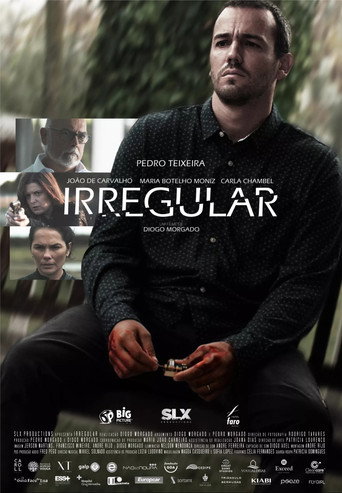
Irregular
Gabriel is a happy man. On the way to take his daughter on a field trip he stops at a gas station. Everything changes when he spots her being forced into a van that takes off. Soon he will realize that is just the beginning of the end
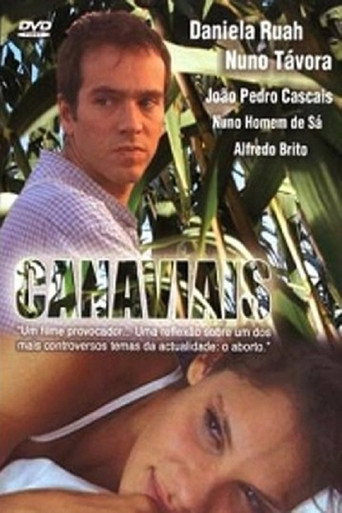
Canaviais
Caught between the past and the present, Simão is an old man, dejected by time, pursued by an unfinished love that, since his youth, forever marked his life. Born into a humble family, the son of servants in a wealthy home, his reducing condition, imposed by the social standards of a backward mentality, raised barriers for him, like the overwhelming passion, which pushed him towards the affections of his only daughter. of his parents' employers, he could overcome. Wrapped in a dense and moving dramatic load, Canaviais is a poignant and provocative film, which challenges positions and opinions by addressing current and controversial themes, such as abortion and social stratification. Its history, more than defining paths, invites reflection and seeks to debate complex and wide-ranging issues.
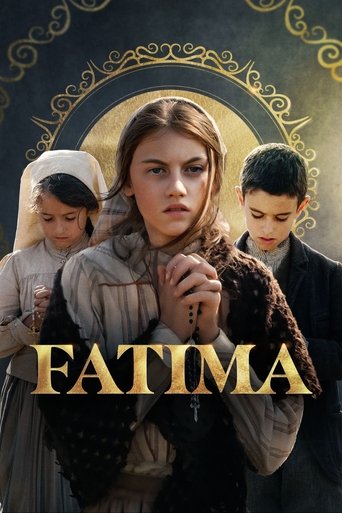
Fatima
In 1917, outside the parish of Fátima, Portugal, a 10-year-old girl and her two younger cousins witness multiple visitations of the Virgin Mary, who tells them that only prayer and suffering will bring an end to World War I. As secularist government officials and Church leaders try to force the children to recant their story, word of the sighting spreads across the country, inspiring religious pilgrims to flock to the site in hopes of witnessing a miracle..
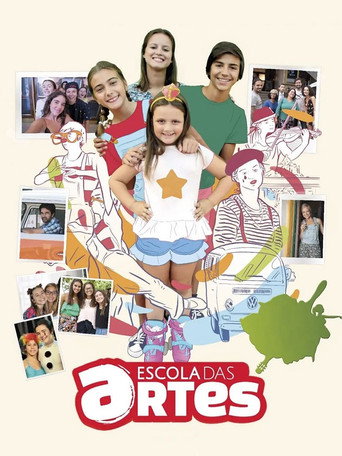
Escola das Artes
Day to day life of some kids studying at an artistic school with an innovative method.
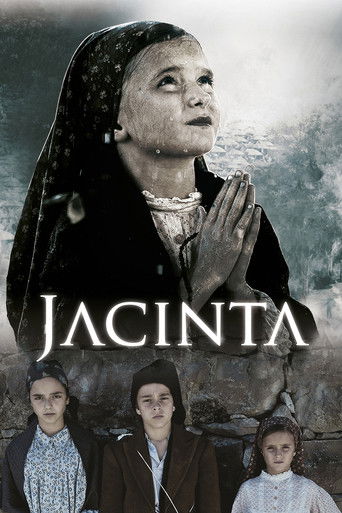
Jacinta
The story of Jacinta, one of the three children involved in the Marian apparition reported in 1917 at Cova da Iria, in Fátima, Portugal.

The Home Fairy
Vera, a single mother with two small children, is forced to have two jobs to survive after her children's father has disappeared. She works as a cashier at a supermarket by day and at night works in a strip club, trying not only to raise her children but also to pay off the debts that her ex-partner left her. Harassed in both jobs, one day she reacts violently when a nightclub client is more daring, being sentenced in court to perform community service in a nursing home, where her irreverence and youth will clash with the authoritarianism and inhumanity of the director. For the elderly who live in the nursing home, Vera is a breath of fresh air that little by little will change their lives, becoming the true home fairy…

Vizinhas
After a lifetime apart, two childhood friends reunite, now widowed and elderly, in the village where they grew up. As they try to resolve past disagreements, they deal with their families' decision to place them in a nursing home. Knowing that they are nearing the end of their lives, the two friends strive to fulfill their old promise to stay together forever.
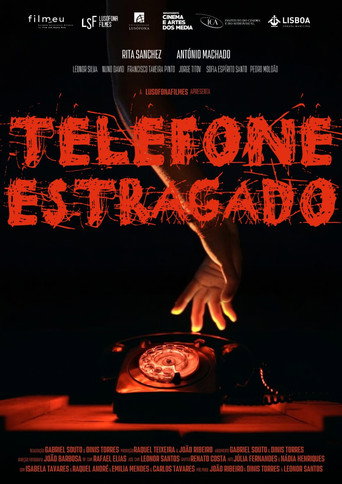
Creeks
In the mid-1940s, in a Portugal mired in poverty and illiteracy, a group of boys work in the potteries of Alhandra, on the coast, collecting clay to make tiles and bricks. Gineto, Sagui, Malesso, Guedelhas and Gaitinhas form strong friendships and bonds of camaraderie, while dreaming of other places and embarking on liberating adventures, facing the harshness of work, the daily dramas of family life, hunger, abuse and injustice with courage, rebellion and determination. In the end, their unity always prevails in a world of adults who do not understand them.
Gallery