Acting
No biography available.
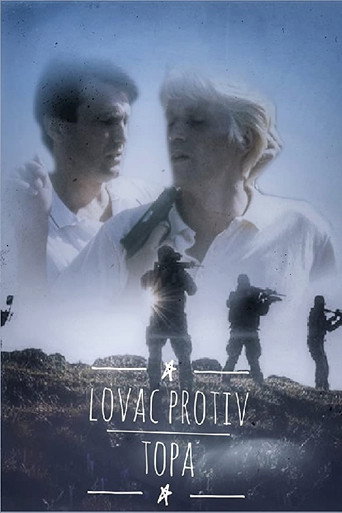
State security inspector Ivan reveals an inserted terrorists in Yugoslavia, sent there by Croatian emigrants, enemies of the above socialist state. Their mission is to select the appropriate places on Adriatic coast which they would later blow up. The terrorists are expected to set a series of explosions that would cause a public disturbance and uncertainty in the Yugoslavia's position in Europe. Ivan follows Pavle and Elsa who are staying in Croatia as tourists, stepping into action in a crucial moment.
Milan leaves his home and joins the "youth brigade", a group of young people who worked on a railway track. Tragedy strikes when Milan is injured operating one of the mechanical drills that make the building of tunnels possible. But his dedication is greater than his pain, and so he rushes back to the building site instead of staying in the hospital so that he can help the brigade meet the deadline for the completion of the tunnel.
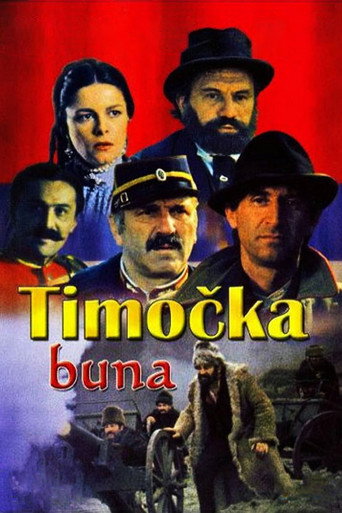
In 1883 Milan Obrenovic, arrogant and despotic king of Serbia, felt threatened by the militia segments of his army. In order to remove that threat he disbanded militia. However, people of Timok Valley decide not to surrender their arms to the regular troops. The movie was made for the 100th anniversary of the event.
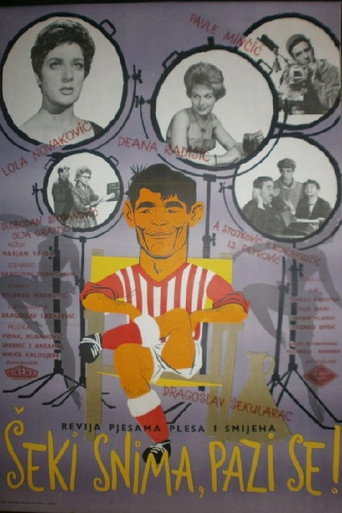
A group of young men suggest to the local tinsmith to make a movie, but he agrees only if its director would be his cousin Šeki, a Red Star FC soccer legend. Šeki, though, thinks that the movie-making is the same thing as a soccer match, which causes many argues amongst the members of the film crew.
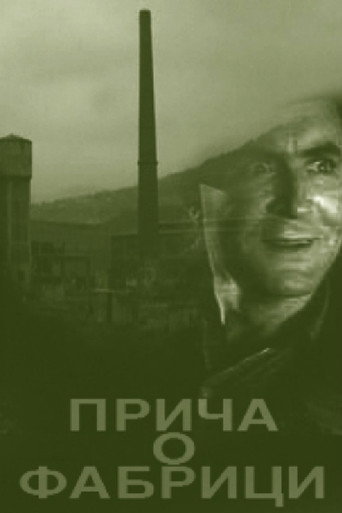
Shortly after country's liberation, one of few factories tries to enhance its production. A group of reactionary individuals fails to stop its work and building of new production units.
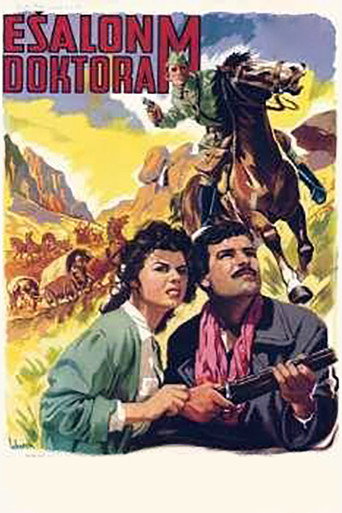
Continuing their exploits against the Yugoslav National Liberation Army, the Ballists attack an echelon of wounded warriors led by Dr. M. He takes the wounded to a nearby town. Aware that the justice is on the side of Doctor M., Ramadan, son of one of the Ballist leaders, joins him and contributes to defeat of the Ballists.
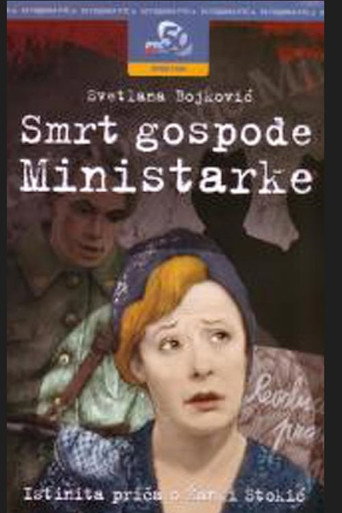
The story about Zhanka Stokic, the most famous Yugoslav actress before WW2. After the war, she experiences humiliation and the trial for acting at the cabaret and reading the texts on the radio while the people died on front. She's not sure if there was guilt in her act or not, but she's certain that the thing she did was not a crime that deserves a death penalty.