Sina Fiedler-Engel Movies, TV Shows, and Filmography
Sina Fiedler-Engel
Acting
Biography
No biography available.
Filmography Movies
Acting
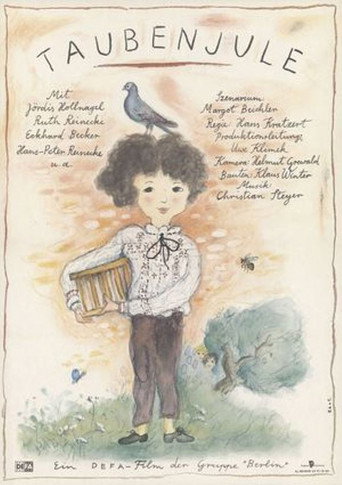
Taubenjule
Eleven-year-old Jella lives with her mother in a rural idyll in which both feel at home and comfortable. Then, however, they move to the city where her father works. On parting, her friend Freitag presents Jella with a pair of pigeons. Although Jella is looking forward to life in the city, she is unable to accustom herself to her new surroundings. She is being picked on by the other children, and a neighbor′s son even releases her pigeons. They fly back to Freitag who returns them to Jella. When Jella visits the village one day, she is disappointed to learn that she has become a stranger there, as well.
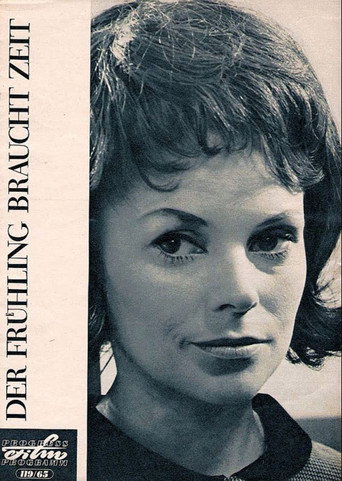
Spring Takes Time
Was it an act of sabotage or willful negligence? The non-party engineer Heinz Solter is suddenly arrested and accused of approving a defective pipeline that caused a half million loss to his company. At first, the case seems clear-cut for the state prosecutor, but when he probes deeper, he discovers that Solter had acted against his better judgment due to the pressure from his career-driven and authoritarian boss.
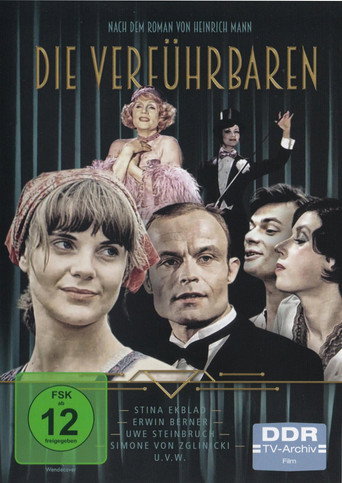
Die Verführbaren
1929: Marie Lehning, a farm worker from Warmsdorf on the Baltic Sea, falls in love with the fisherman's son Mingo. Both complete an apprenticeship in Lübeck. Marie wants to become a seamstress, Mingo a carpenter. After their first night of love, they swear eternal fidelity. But Marie has to return to the village, her mother is ill and her siblings are unprovided for. She starts working as a maid on a farm. Unexpectedly, she meets the young Kurt Meier from Berlin, whom she knows from before.
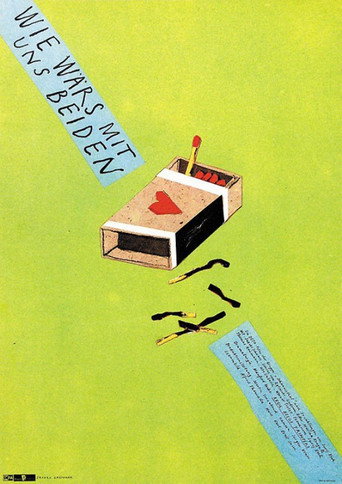
Wie wär's mit uns beiden
In three episodes about six people, the film takes on the topics of relationships, difficult social engagements , and love in the German Democratic Republic.
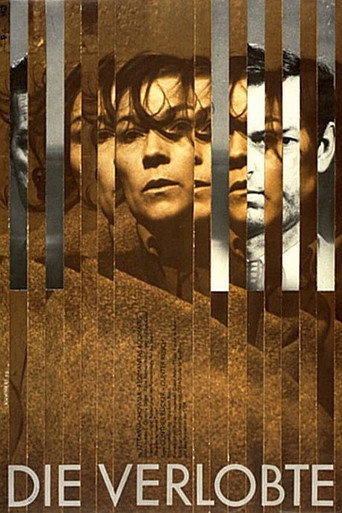
The Fiancee
The wrenching story of a woman sentenced in 1934 to ten years in prison for antifascist activities. The love between her and her fiancée enables her to survive the tribulations of her time in prison, where she is one of few political prisoners.
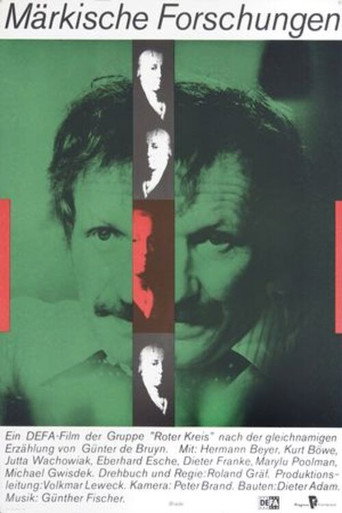
Exploring the Brandenburg Marche
On a forest road in the Brandenburg March, village teacher Potsch accidentally encounters the distinguished Professor Menzel, who got stuck there in his car. In the conversation that ensues, Menzel and Pötsch quickly discover that they both are great admirers of the early 19th-century writer Max von Schwedenow who was born in the area.
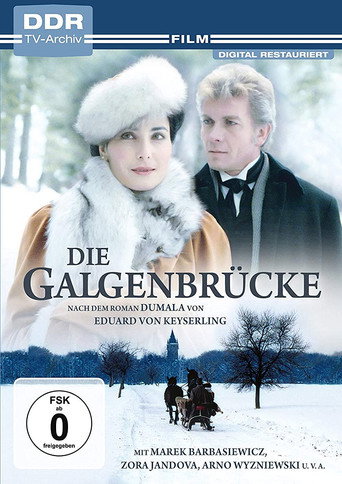
Die Galgenbrücke
In the wintry Baltics, a century is drawing to a close and with it the era of the old Junker aristocracy. Pastor Erwin Wenger falls in love with the beautiful Baroness von Werland. This love plunges him into serious conflicts of conscience, especially as he does not appear to be the young woman's only admirer. Her husband, the ailing Baron von Werland, seeks to be close to the pastor. And it is not only the baron's health and the old castle that increasingly deteriorate, but the man of God's moral stability also begins to waver ...
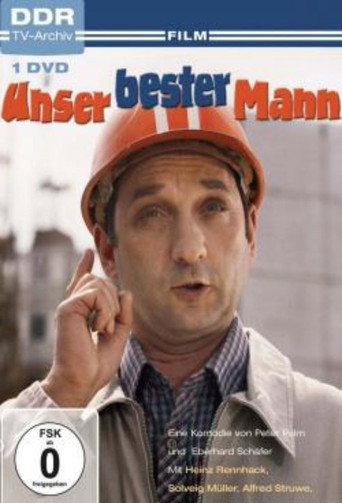
Our Best Man
The main character Otto, the "best man", is a copy of the illustrious Mister Bean. He takes on an apprenticeship as a building-worker, which makes him a member of a building brigade. At the same time Otto tries to start a love affair, which he handles even clumsier. Never the less Otto makes progress with the lady in question, a single mother, who apparently doesn't mind. Actually he wanted her sister, but a retired Leninist party member changes his mind. This gives him the courage to persevere in his work, albeit with the helping hand of the obligatory retired party member. And behold, in the end Otto invents a new method of building, which saves the brigade many hours of work.

Miss Butterfly
After the death of their father, 18-year-old Helene Raupe (“coccoon”) and her younger sister Asta come under the guardianship of the youth welfare office in East Berlin. Helene fails miserably as a fishmonger, fashion assistant and bus conductor, all jobs ordained for her by the authorities. The young woman really only “emerges” in her fantasies, where she can escape from her dull, normal life.
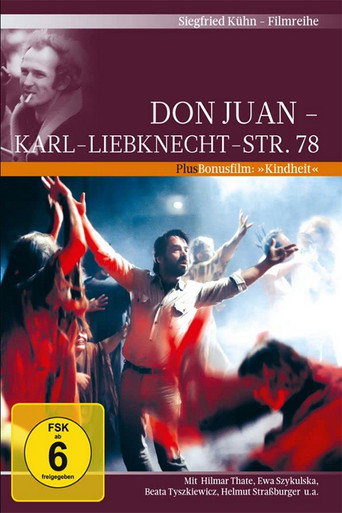
Don Juan, Karl-Liebknecht-Str. 78
In a backwater town, opera director Andrej Wischnewsky is supposed to put on a production of Mozart's "Don Giovanni".