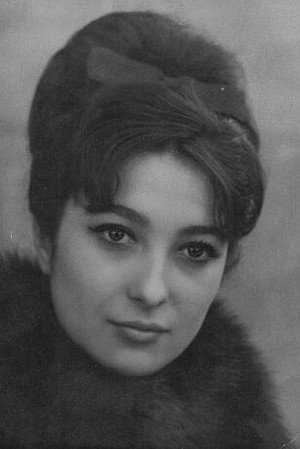
Silvia Berova Movies, TV Shows, and Filmography
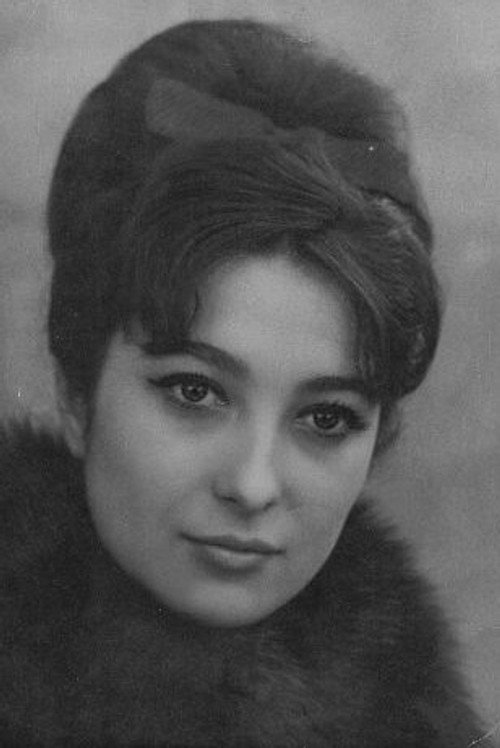
Silvia Berova
Acting
Biography
Silvia Leonidovna Berova (born 1945) is a Soviet and Moldovan stage and screen actress. Born in the family of musicologist Leonid Savvich Berov, she graduated from both Chisinau Conservatory and the Boris Shchukin Theatre Institute. She became a nationwide star overnight after appearing in the film 'Bela' by Soviet director Stanislav Rostotsky, based on the Lermontov novel. Her Moldovan roots made her an obvious choice for the role of mysterious Oriëntal beauty - a part she often played. She remained active in theater; from 1968 to 1992 she was part of the regular group at the Chisinau Theater named after Anton Chekhov. Today, Berova resides in Chisinau where she works as a drama teacher at the conservatory. Together with her husband, musician Gregore Butuchel, she starred in the videoclip of the song 'A Century of Love', which represented Moldova at the Eurovision Song Contest of 2008.
Filmography Movies
Acting
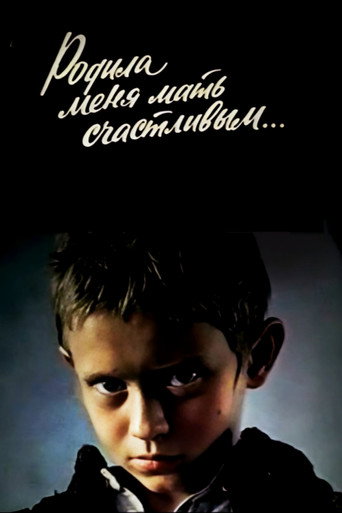
My Mother Gave Birth to Me Happy...
The film takes place in 1944 in a Moldovan village that had just been liberated by the Soviet Army. A young teacher creates a school pioneer organization. He is opposed by the school principal, who is hiding a fascist agent. With the help of a young teacher and his students, police officers manage to neutralize the criminal.
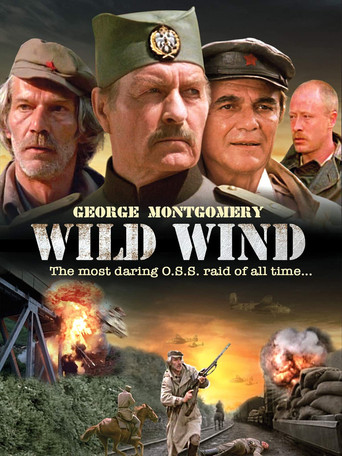
Wild Wind
August 1943, Europe. The tentacles of the German octopus have begun to recoil. As the Nazis retreat, their concern focuses on the supply of oil from the refineries of Romania. Without the flow of "black gold", Germany's doom is sealed. Armadas of American bombers from bases in North Africa have begun to assault Pioesti - and there is another threat from the Partisans across the border of Yugoslavia. Against the tableau of spectacular events, the dramatic story of WILD WIND unfolds.
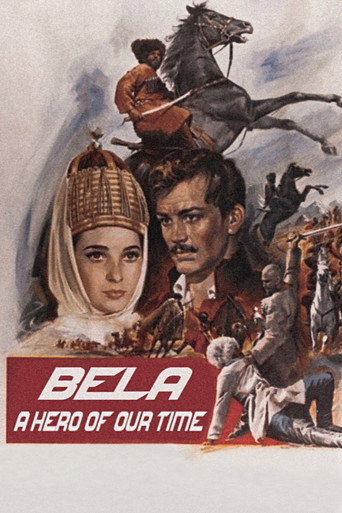
A Hero of Our Time: Bela
Russian officer Pechorin falls in love with Bela, the daughter of a local chieftain. By tricking her brother Azamat into abducting her, he calls upon himself the wrath of horseman Kazbich.
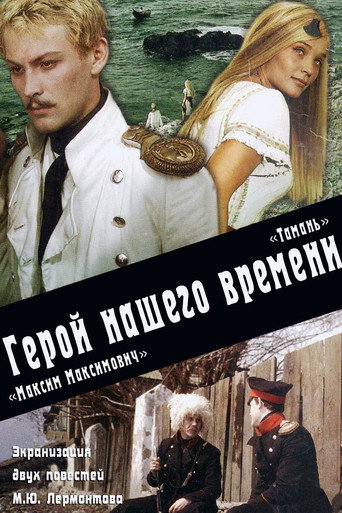
Максим Максимыч. Тамань
The mystery of the "hero of Lermontov's time" first appears before us, as a rule, during our school years and is easily solved in a typical three-page essay. Over time, however, this mystery becomes increasingly interesting and complex.
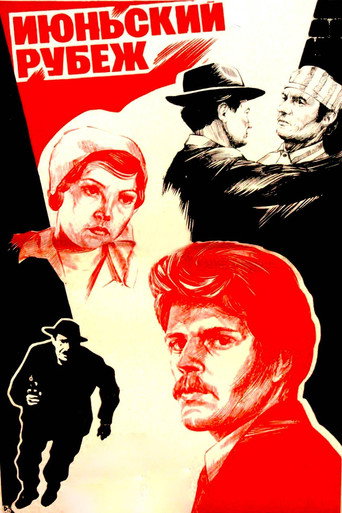
The June Milestone
Summer of 1940. The architect returns from Bucharest to his native Bessarabia with a firm desire to live outside politics. However, life forces him to make a choice.
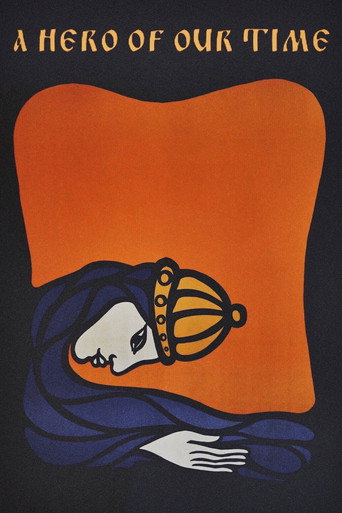
A Hero of Our Time
After the death of Bela, Pechorin was unwell for a long time, and then left the fortress and Maxim Maximych and left for Georgia. Since then, the headquarters captain had no news of his friend, often recalled and carefully carried his diaries in his wanderings. Five years have passed... Once at a post station near Vladikavkaz, Maxim Maximych with delight learns that Grigory Pechorin also came here. The long-awaited meeting brings an unbearable pain and bitterness of disappointment to the old warrior. In his hearts, he mercilessly parted with the travel notes of the ensign. And his random companion finds on the yellowed pages the story of the soul of an amazing, extraordinary person who brings misfortune to others all his life.
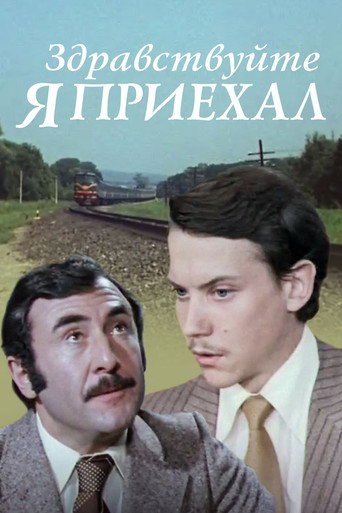
Hello, I've Arrived!
A graduate of a technical university starts working in the supply department of a large factory. Enthusiastic, the hero doesn't get bored; instead, he successfully implements the latest advancements in electronic computing technology into the factory's operations.
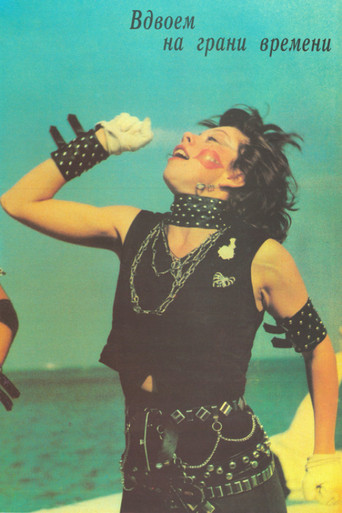
Together on the Edge of Time
After his father's death in a car accident, Emil, a teenage boy, struggles to come to terms with the loss. When his mother brings Misha into the house, Emil begins to suspect that Misha is responsible for his father's death. His suspicions are soon confirmed, and he realizes that his father took his own life after learning about Luchika and Misha's love. As the story unfolds, Emil must confront the truth and find a way to understand and forgive his mother.
Gallery