Acting
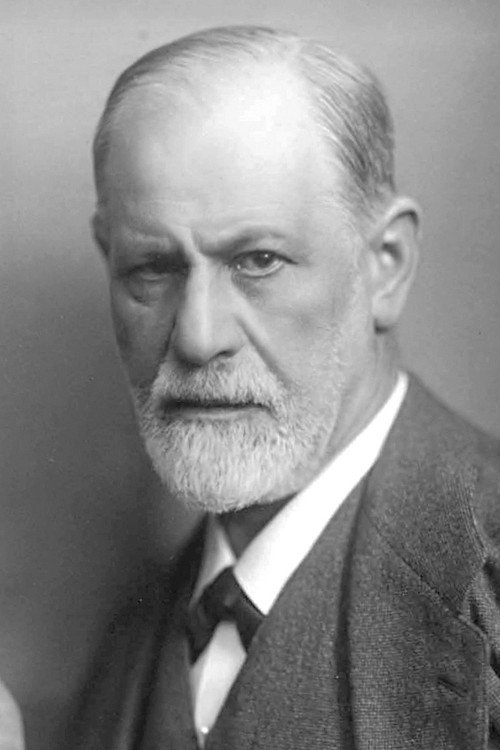
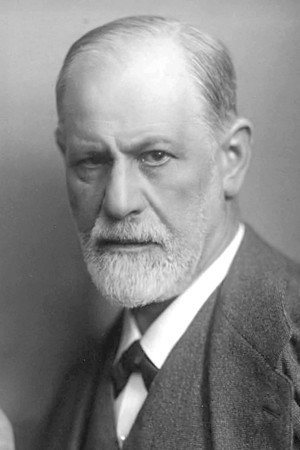
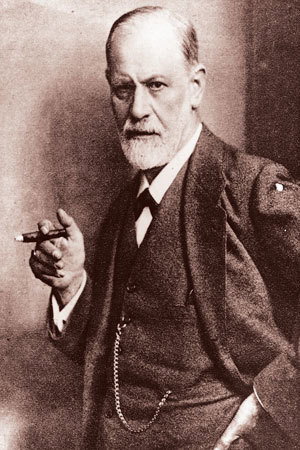
Sigmund Freud, born Sigismund Schlomo Freud, was an Austrian neurologist and the founder of psychoanalysis, a clinical method for treating psychopathology through dialogue between a patient and a psychoanalyst.
Starring Sigmund Freud is a video memento for Sigmund Freud's little-known film career. Based on an essay John Menick published in Frieze in 2011, the video collects the dozens of appearances that the character of Sigmund Freud has made on small and big screens. After the 1950s, when pill vials replaced analytic couches, the father of psychoanalysis found a second career impersonating himself in everything from a John Huston clunker to a Star Trek episode. The video suggests that maybe it is in front of the camera, alongside surgically enhanced starlets and CGI chimeras, that “Herr Doktor” will find his final resting place. This video was produced by the Kadist Foundation and commissioned by dOCUMENTA (13).
An interview with a prominent Arab architect and philosopher.
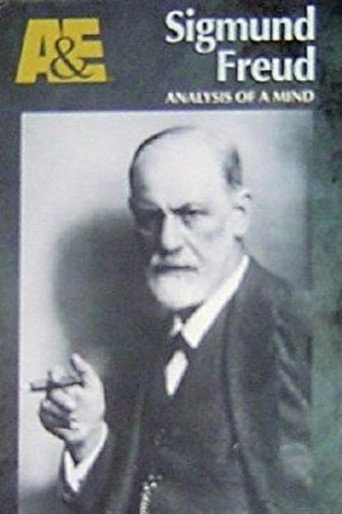
Sigmund Freud's revolutionary ideas transformed our conception of the mind. Yet, fears and obsessions wracked the father of psychoanalysis. His theories continue to inspire debate, even as the discipline he invented drifts farther from his work. Through personal letters, diaries and interviews with biographers, psychiatrists and Freud's grandchildren, this documentary explores the life of the man who was once derided as the doctor of love.
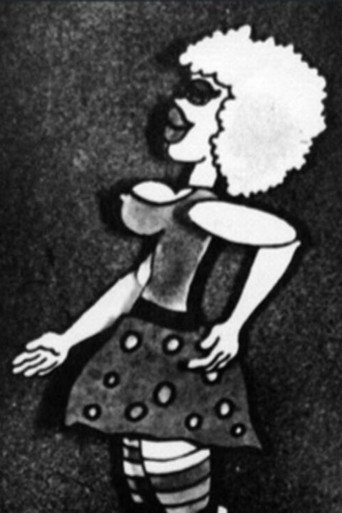
It's the Activist vs. the Analyst in a witty spoof of issue oriented talk shows like Larry King and The O'Reilly Factor. Host Jerome X, a black activist, interviews the late great Sigmund Freud who is reincarnated in his doll form, complete with a cigar and a willingness to blame it all on Mom. The voice of reason is plastic.
About the history of the contraceptive tool and reminds us of the importance of using a condom in combating sexually transmitted diseases.
Hosted by twice Oscar nominated actor and activist Woody Harrelson, Ethos lifts the lid on a Pandora's box of systemic issues that guarantee failure in almost every aspect of our lives; from the environment to democracy and our own personal liberty: From terrifying conflicts of interests in politics to unregulated corporate power, to a media in the hands of massive conglomerates, and a military industrial complex that virtually owns our representatives. With interviews from some of todays leading thinkers and source material from the finest documentary film makers of our times Ethos examines and unravels these complex relationships, and offers a solution, a simple but powerful way for you to change this system!
This short documentary explores eight theories on why humans are so fascinated with fright.
Sigmund Freud is one of the most important personalities of the 20th century and has not only left his imprint on psychology, his very own field of knowledge, but also on of science and cultural and intellectual history; indeed, he has shaped the twentieth century altogether. Otto Brusatti's film takes us to Vienna, New York, Rome, Paris and London and shows not only previously unknown material about Freud's life and environment but also takes a cautious look on Freud's doctrine.
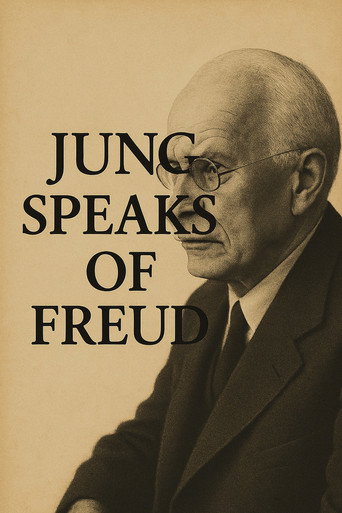
Carl Gustav Jung interviewed on the subject of 'Sigmund Freud': how Jung met him, how he was influenced by him and where he disagreed with him. Jung talks about word association, Freudian slips, the unconscious, the Oedipus complex, the ego, archetypes, falling in love and more.
A look at the advertising industry.
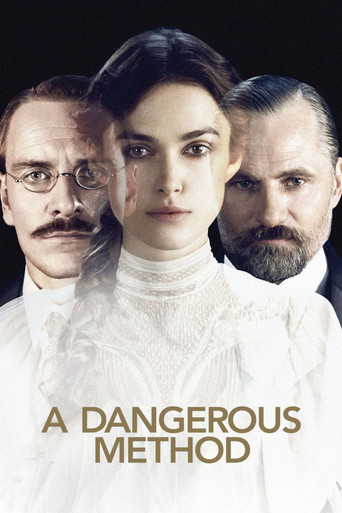
Seduced by the challenge of an impossible case, the driven Dr. Carl Jung takes the unbalanced yet beautiful Sabina Spielrein as his patient. Jung’s weapon is the method of his master, the renowned Sigmund Freud. Both men fall under Sabina’s spell.
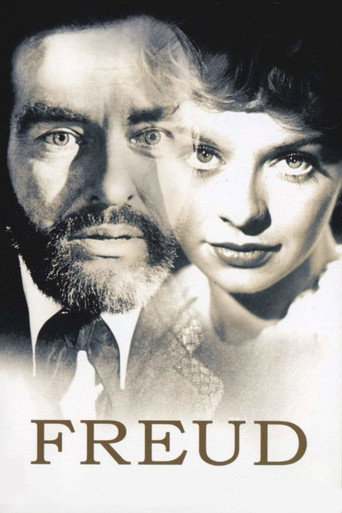
An examination of Austrian psychologist Sigmund Freud's career when he began to treat patients diagnosed with hysteria, using the radical technique of hypnosis.
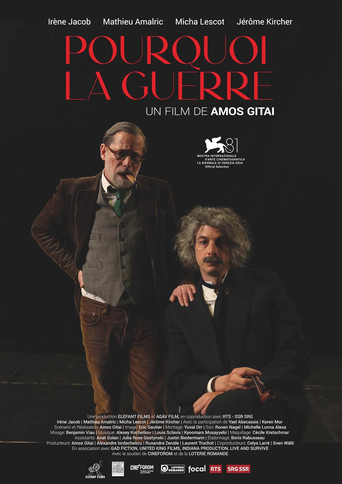
In 1932, Albert Einstein was invited by the League of Nations to address a letter on any subject to any person. He chose to correspond with Sigmund Freud about avoiding war. To this day, the correspondence about war of two great thinkers of all time proves to be more relevant than ever. Inspired by this correspondence between Albert Einstein and Sigmund Freud almost a century ago, the film Why War traces the roots of war, and embarks on a search for an explanation of the savagery of wars that inhabit our world.