Siegfried Weiß Movies, TV Shows, and Filmography
Siegfried Weiß
Acting
Biography
No biography available.
Filmography Movies
Acting
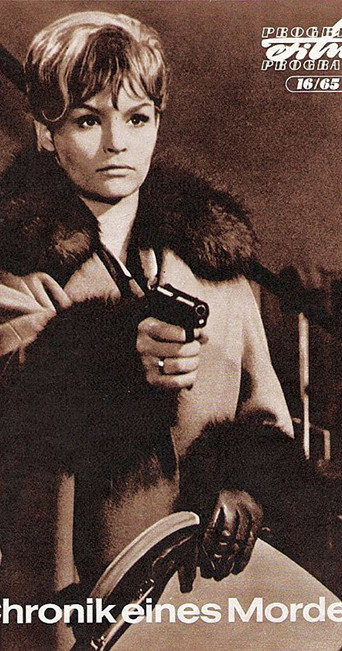
Chronicle of a Murder
In the mid-1950s, mayor Zwischenzahl is killed on the day of his inauguration in a West German town. The killer is Ruth Bodenheim, a Jewish woman, who wanted to avenge the death of her parents. Zwischenzahl, a former SA member, was apparently involved in the deportation of her parents to a concentration camp during the war. Ruth cannot bear the horrible events and the death of her parents and wants to open the eyes of the town′s residents.
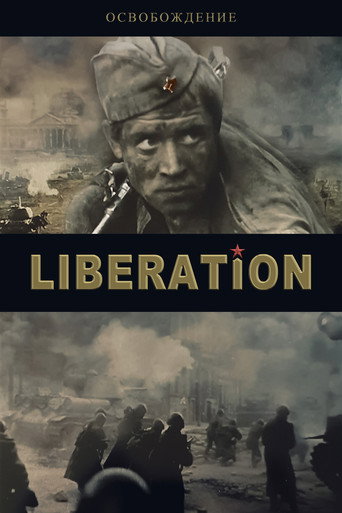
Liberation - Part 1 : The Fire Bulge
The "Fiery Arc" tells of a grandiose battle on the Kursk Bulge in the summer of 1943. Here was the largest tank battle in the history of World War II. Along with the personal fate of the heroes, the film shows battle scenes, the activities of headquarters and intelligence, those who worked at the front and in the rear.
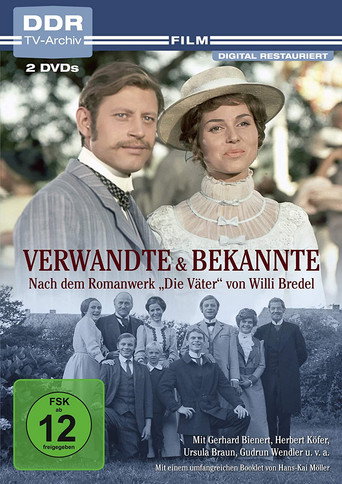
Verwandte und Bekannte
Using the example of three generations of a Hamburg working class family, the rise of the working class from the founding of the Wilhelmin Empire to the First World War, over the time of the Weimar Republic and National Socialism to the destruction of the Third Reich.
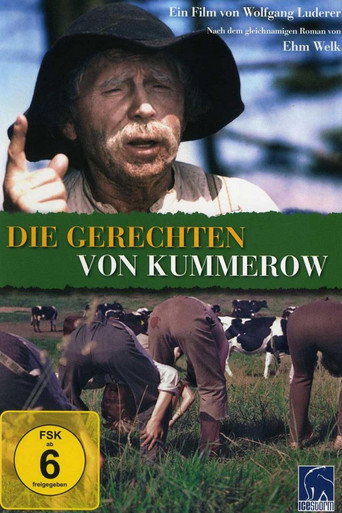
The Just People of Kummerow
In a remote Prussian village, the shepherd Krischan with his fantastic stories is the attraction point for the children. One day they experience together how the Müller Düker beats his horse to death and intervene. Düker sues her for body injury at the district court, and because the main accused, Krischan, lives illegally in the village without papers, the village community decides to deport him before the trial. Krischan disappears. The children feel the loss painfully, are outraged by the adults. The boys Martin and John search for Krischan on an adventurous ride and are put by the police. Krischan remains gone.
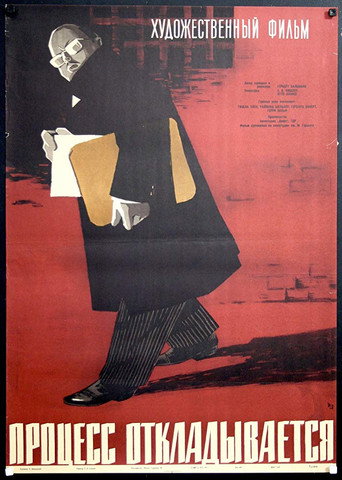
Der Prozeß wird vertagt
In 1955, Michael Vierkant, a Jew who had emigrated during the Nazi era, returns from abroad to the Federal Republic of Germany to obtain the conviction of Korn, the former informer responsible for the murder of his sister. Korn is back in office; Michael's efforts remain unsuccessful. There is a direct confrontation between the two, and Michael shoots Korn in self-defense. He flees and is hidden by the young, reclusive artist Marie Jäger, but is then caught by the police and charged with premeditated murder. The case is taken out of the hands of the criminal investigation department by the Office for the Protection of the Constitution, which constructs an act of political revenge on behalf of the communists. Michael manages to escape from prison. Marie and her friends organize a press conference at which Michael reveals the connections. The trial is postponed.
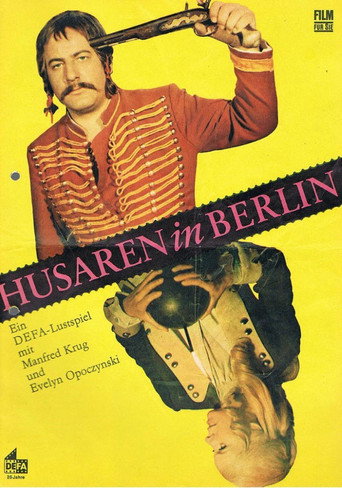
Husaren in Berlin
Comedy about the "Husarenstreich", the 1757 Berlin raid during the Seven Years' War.
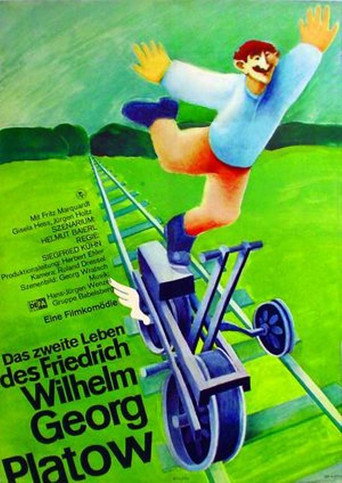
The Second Life of F.W.G. Platow
Friedrich Wilhelm Georg Platow worked for the railways his entire working life. He took up service at the small station of Luege 34 years ago. Now, the line is to be electrified and Platow, who cannot cope with the new technology, has to work on a secondary local line. Georg, his son, a railway worker as well, is to attend a training course, but Georg refuses to go. Then his father comes to a surprising and highly unusual decision. He pretends to be Georg Platow, making himself twenty years younger than he really is and registers for the course.
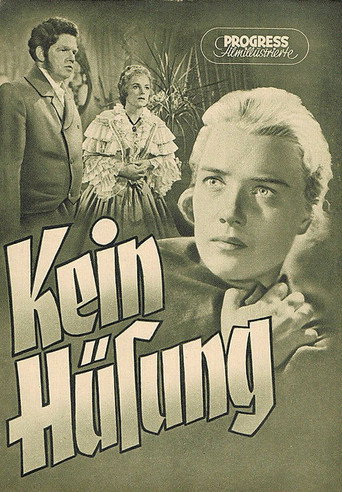
Kein Hüsung
Mecklenburg, 19th century. For generations, the Brand family of farmers has worked a piece of land as tenants of the baron, who owns almost all of the village's land. The baron himself comes from a family of farmers who became rich through corruption and were ennobled. He is the absolute potentate, no one dares to contradict him, he takes what he wants and stops at nothing in his excesses. At the same time, he is the center of petty bourgeois, bigoted social life. Johann, the stable boy, wants to marry Mariken Brand and asks the baron for a piece of land so that he can build a life of his own. But the lord is harsh, not only refusing him the land, but also increasing the rent. Johann rebels, trying to rouse the farmers in the village from their lethargy—in vain. Only when Mariken dies does the mood change. A peasant uprising breaks out, and Johann kills the baron.
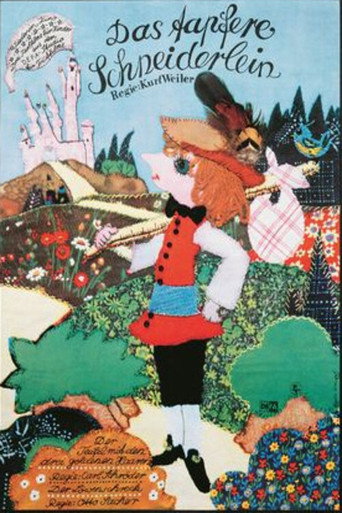
Das tapfere Schneiderlein
One morning, a tailor was sitting at the window sewing. A shopkeeper came by and loudly offered plum jam for sale. The little tailor spent his last penny to treat himself. But the sweet smell of plum jam attracted a lot of flies, and when the tailor struck, seven fell by the wayside. This deed seemed so remarkable to the little tailor that he made himself a belt on which it was written that he had killed seven in one go.
Alarm am See
University ice-sailing trainees face a hostel fire when caretaker Krenzel rescues Captain Klaus’s swapped suitcase, barring him from travel due to a stolen Hogarth print inside. X-rays reveal a hidden engraving; detectives Hübner and Lindt expose forger Sander and Krenzel. After Krenzel’s sabotage fails and both are arrested, Klaus is exonerated and rejoins his team for the international regatta.