Sid Ali Kouiret Movies, TV Shows, and Filmography
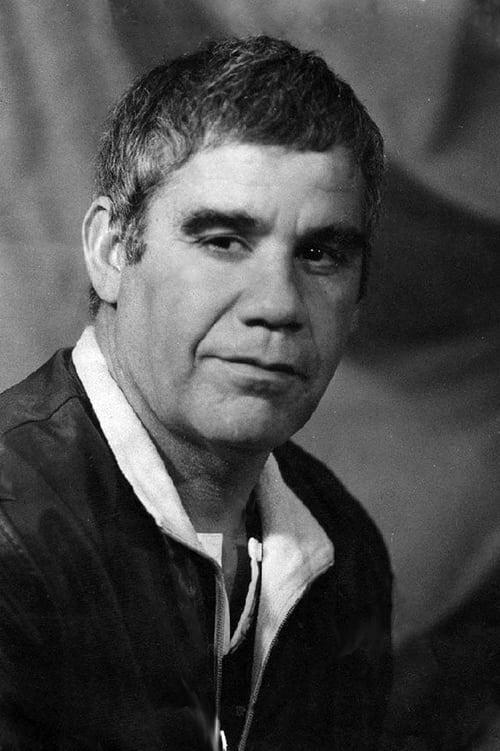
Sid Ali Kouiret
Acting
Biography
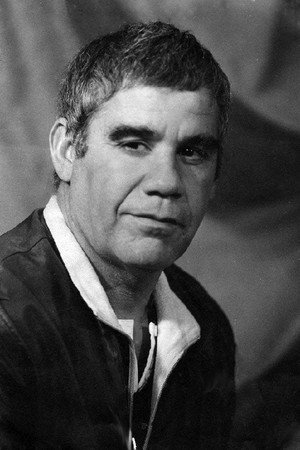
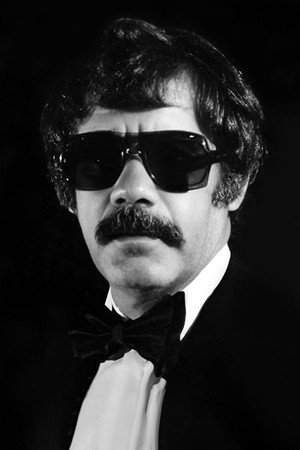
Sid Ali Kouiret (Arabic: سيد علي كويرات) is an Algerian actor, born January 3, 1933 in Algiers, Algeria and died April 5, 2015 in the same city. Sid Ali Kouiret had a difficult childhood; his father, a taxi driver, often came home drunk and was violent with his mother. One day, the kid, exasperated, takes a knife and sticks it in his father's back. He thus found himself in the streets of Algiers, left school, lived on petty thefts, and, from the age of 9, took on odd jobs as a shoeshine boy, working for the port fishermen. At 17, he was a pimp at the port, and as he liked to swim, to go to the Algiers mole, he had to cross Rue de la Marine. One fine day he met Mustapha Kateb who, in the 1950s, managed a amateur theater troupe, at Café de Daniel and out of curiosity ends up at Randon Street where Kateb was rehearsing. In 1951, he found himself in Berlin with the EI-Mesrah EI-Djazairi troupe, then in Paris in 1952. In 1954, he was in Bucharest for the 2nd Festival of Youth and Students for Peace. The same year, he turned professional and signed with the municipal troupe of Algiers directed by Mahieddine Bachetarzi. In 1955, the DST monitored the premises on rue Randon and recorded his comrades. He arrived in Marseille and went to Paris where he met Mohamed Boudia, Hadj Omar, Missoum, Nourreddine Bouhired. “We had FLN cafés, singing Min Djibalina,” he says. Mustapha Kateb in 1958, was commissioned to create an artistic troupe to carry the flag of the fight for the independence of Algeria, Sid Ali Kouiret joined Tunis and joined the so-called FLN troupe, made up of two dramatic and lyrical ensembles, with some 35 actors, singers, musicians, dancers and technicians. Until 1962, five shows were given in Tunis, Saint Petersburg and Moscow, but also in Morocco, Libya and Iraq. After independence, he was at the newly created Algerian National Theater (TNA), and from 1963 he began his brilliant cinematographic career. His first role on screen was in Mustapha Badie's television adaptation of the play Les Enfants de la Casbah by Abdelhalim Raïs (1963). It was with L'Opium et le Bâton (1970) by Ahmed Rachedi that he really established himself, followed by many other Algerian and foreign films including The Return of the Prodigal Son (1976) by Youssef Chahine, Bloody Fates (1980) by Kheiri Bichara, L'Empire des Rêves by Jean-Pierre Lledo, for which he won the best actor prize at the Damascus International Film Festival in 1985. Sid Ali Kouiret retired - early - from the Algerian National Theater (TNA) in 1987. He returned to the forefront subsequently, notably in Les Bas-Fonds (Ed-Dahaliz) by Maxime Gorki by Abdelkader Alloula (1982). ), Death of a Salesman by Arthur Miller by Fouzia Aït El Hadj (1987) and during the revival of El Bouaboune (Les Concierges) by Rouiched (1991). In 1992, he played in La Famille Ramdam (1990), a sitcom broadcast by the M6 channel. He played in some 40 films and television films throughout his career, remaining active until the turn of 2010. Sid Ali Kouiret, who suffered from diabetes, died on April 5, 2015 in Algiers, at the age of 82. He is buried in the cemetery of Sidi Embarek (Oued Romane) in Algiers.
Filmography Movies
Acting
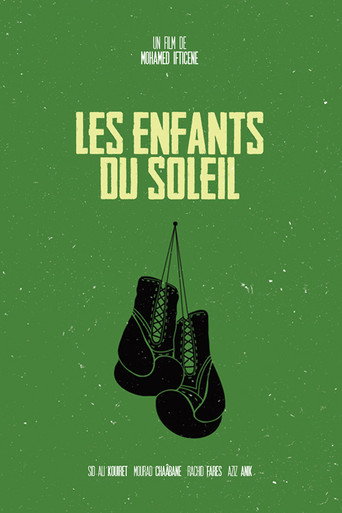
Children of the Sun
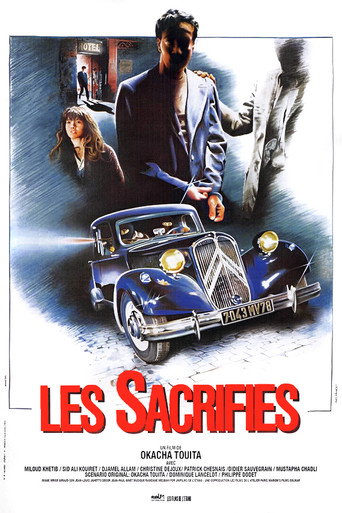
Les Sacrifiés
In 1955, a year after the birth of the National Liberation Front (FLN), Mahmoud was expelled from Algeria by the colonial authorities who feared his revolutionary speeches. At the age of 27, he arrived in the Algerian slum of Nanterre. Roughly questioned by FLN activists, in disagreement with the Algerian Nationalist Movement (MNA) who wanted to recognize theirs, he was then accepted as the local hairdresser and shoemaker. Subsequently, he became a driver during anti-MNA expeditions. Accepting increasingly dangerous missions, he is imprisoned by the French police and once again undergoes interrogations and special treatment by the police which will definitively undermine his sanity. One day, he no longer recognized his companions, and when joy broke out among the FLN militants, at the announcement of the signing of the Evian Accords, Mahmoud remained alone, frozen in an attitude of refusal, walled in his madness. Algeria has just won its independence.
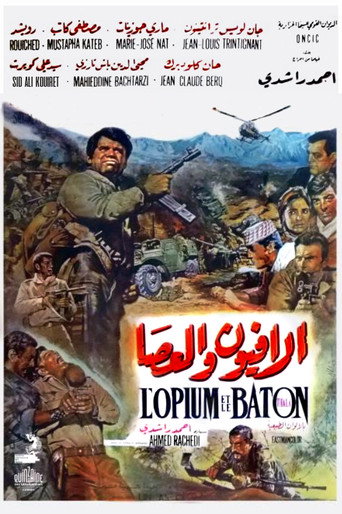
Opium and the Stick
In 1950, in Algeria, in a village in Kabylia, Algerian resistance fighters resisted the French occupation army. Bachir returns to the village to escape the clashes ravaging Algiers. In Thala, he has two brothers, Ali and Belaïd. The first is engaged with the ALN (The National Liberation Army) and fights against the colonizer. His second brother, Belaïd, the eldest, is convinced of a French Algeria. His family torn apart, Bachir decides to join the war and takes sides against the repression of the French army. The French army is trying in vain to turn the population against the insurgents by using disinformation. The more time passes, the more the inhabitants of the village and surrounding areas, oppressed, rally to the cause of the FLN, their houses and their fields will be burned... Adaptation to the cinema of the eponymous novel Opium and the Stick, published in 1965, by Mouloud Mammeri, the film was dubbed into Tamazight (Berber), a first for Algerian cinema.
Les Sacrifiés
In 1955, a year after the birth of the National Liberation Front (FLN), Mahmoud was expelled from Algeria by the colonial authorities who feared his revolutionary speeches. At the age of 27, he arrived in the Algerian slum of Nanterre. Roughly questioned by FLN activists, in disagreement with the Algerian Nationalist Movement (MNA) who wanted to recognize theirs, he was then accepted as the local hairdresser and shoemaker. Subsequently, he became a driver during anti-MNA expeditions. Accepting increasingly dangerous missions, he is imprisoned by the French police and once again undergoes interrogations and special treatment by the police which will definitively undermine his sanity. One day, he no longer recognized his companions, and when joy broke out among the FLN militants, at the announcement of the signing of the Evian Accords, Mahmoud remained alone, frozen in an attitude of refusal, walled in his madness. Algeria has just won its independence.
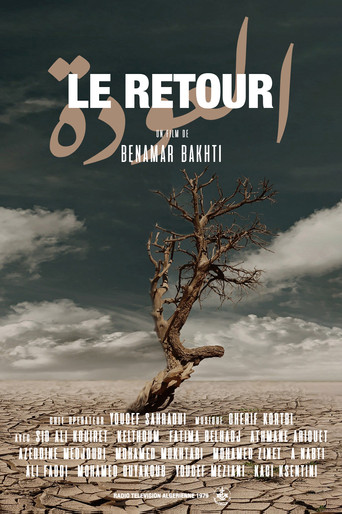
Le Retour
In the early 1970s, Lakhdar, an Algerian peasant, is forced to leave his desert land and his family for France, but immigration weighs on him and he dreams of returning. This day arrives, he walks in Paris, events decide otherwise.

Hassan Taxi
Hassan, tired and worn out by the long years of post-independence, obtains a taxi license as a veteran and will crisscross the streets of Algiers, experiencing the most incredible adventures.
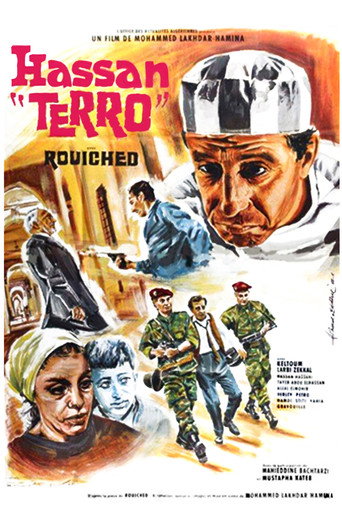
Hassan Terro
While he tries by all means to stay out of the bloody upheavals caused by the battle of Algiers, Hassan, an honest and naive father, unknowingly offers hospitality to a mujahid actively sought by the army. French. A series of events and misunderstandings quickly catapult him to the forefront, presenting him under the pseudonym “Hassan Terro”, a great fictitious terrorist who would have sworn the doom of the French army...
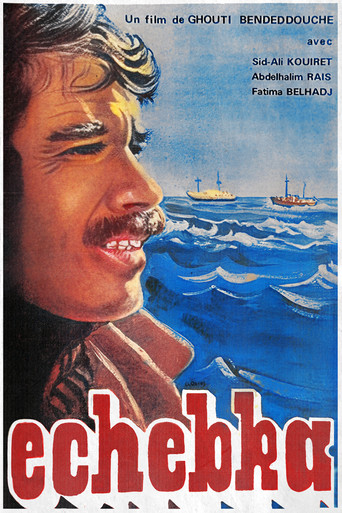
Echebka (الشبكة)
Maamar (Sid Ali Kouiret), a young fisherman working in a small port in western Algeria, is forced to sell his goods at a discount every day to Si Khelifa (Abdelhalim Rais), owner of many trucks and a cannery where the wives work fishermen. He has a strange encounter. As he returns from fishing, bassinet in hand, he witnesses a car accident. Indeed, a car hits a tree with a beautiful girl “Hayat” on board who has lost consciousness. Maamar pulls her out of the car and saves her. It is at this precise moment that he realizes the existence of another world. As if awakened from a long sleep, he realizes that this exploitation can no longer continue. He leaves his village and his wife Laâlia (Fatima Belhadj) on a whim for three years. He finds himself in the capital which he leaves to return to his village and carry out a saving action...
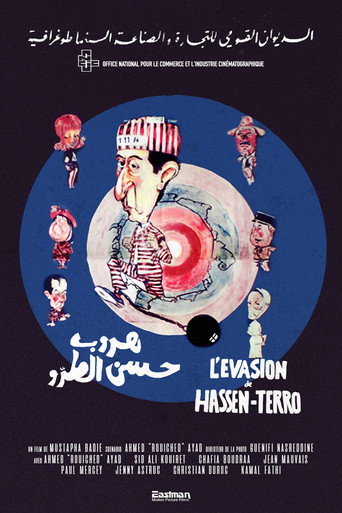
Hassan Terro's Escape
In 1957, the Battle of Algiers intensifies. Hassan, a peaceful resident of the Casbah, is mistakenly identified as a dangerous "terrorist leader," earning him the nickname "Hassan Terro." He is arrested, but the French occupation army secretly organizes his escape in the hope of tracking down the leaders of the resistance. In turn, the Algerian liberation army exploits Hassan's naivety to thwart the French military command and disperse its forces.
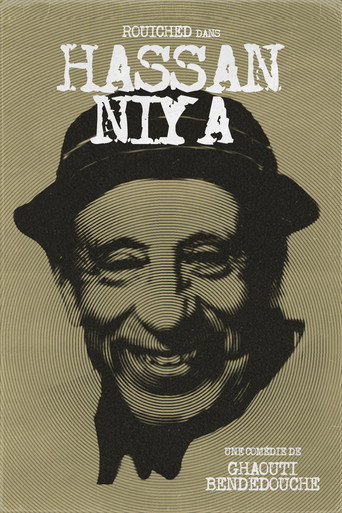
Hassan Niya
The story of Hassan, the handyman in the inn of his sister Aïcha, widowed and childless. A whole series of incidents, misunderstandings, will punctuate his daily routine in which we find him in turn driver, waiter, welder, etc. But, he refuses to submit to anything that does not conform to the idea he has of society and things...
Gallery