Sid Ahmed Agoumi Movies, TV Shows, and Filmography

Sid Ahmed Agoumi
Acting
Biography
No biography available.
Filmography Movies
Acting

Kindy
The film recounts the twists and turns of a police investigation into a "mysterious" crime committed in Jijel. Commissioner Kindy, dispatched from Algiers and assisted by the local police, is tasked with conducting the investigation. A native of Jijel but having left the town at a very young age, the commissioner realizes that the town is now divided into two rival clans...
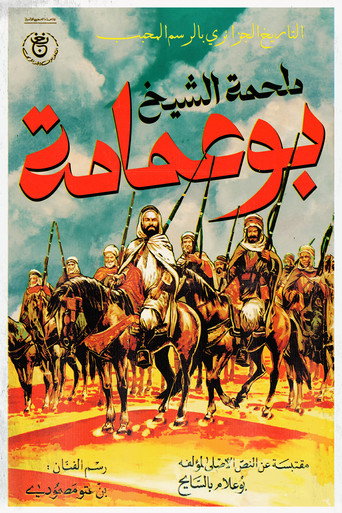
The Epic of Cheikh Bouamama
The story of the film revolves around the epic of Sheikh Bouamama, a leader of the national resistance in Algeria during the French colonial era. The events are taking place in southwestern Algeria. The film also tells about different stages of the resistance, especially about one of the uprisings of the Algerian people, namely "the battle of the sons of Sidi Sheikh Bouamama", in which French General Leuti was appointed to try to suppress and end this resistance.
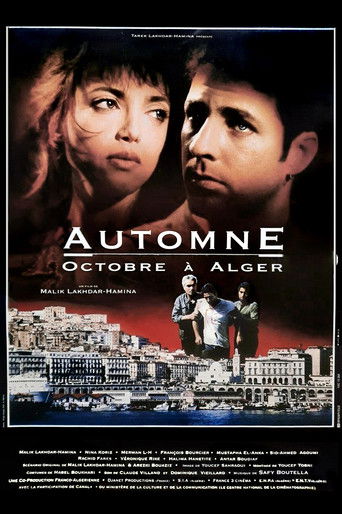
Autumn, October In Algiers
The story of a family in the instability and violence that shook Algeria during the riots of October 1988 in the midst of the rise of fundamentalism and intolerance, disappointments and prohibitions, corruption, nepotism and abuse of power. On October 5, 1988, young Algerians occupied the streets... Afterwards, Algeria would plunge into the chaos of the Black Decade which would last more than ten years and leave more than 150,000 dead.
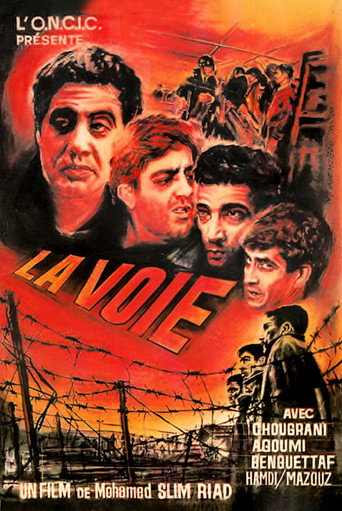
The Way
The Algerian War is seen through the eyes of a group of Algerian freedom-fighters who have been captured and incarcerated in French-run military prisons both in France and Algeria. In addition to attempts at escape, this prison drama also includes propaganda and brainwashing attempts by the French and scenes of torture. In what is possibly the most horrible torture of all, the inmates are forced to listen to broadcast speeches by General Charles de Gaulle -- speeches which illustrate the changing relations between the French and the Algerians.
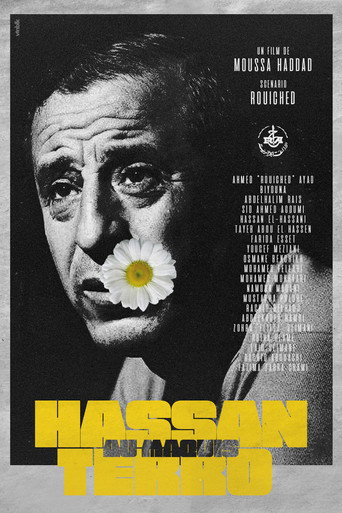
Hassan Terro au Maquis
While trying by all means to stay out of the bloody turmoil caused by the Battle of Algiers, Hassan, an honest and naive family man, is wrongfully accused of terrorism by the French colonial army in "Hassan Terro." After escaping in "The Escape of Hassan Terro," Hassan is forced to join the resistance in "Hassan Terro in the Maquis."
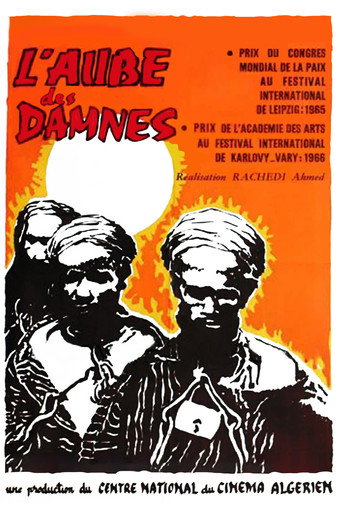
Dawn of the Damned
This excellent feature-length documentary - the story of the imperialist colonization of Africa - is a film about death. Its most shocking sequences derive from the captured French film archives in Algeria containing - unbelievably - masses of French-shot documentary footage of their tortures, massacres and executions of Algerians. The real death of children, passers-by, resistance fighters, one after the other, becomes unbearable. Rather than be blatant propaganda, the film convinces entirely by its visual evidence, constituting an object lesson for revolutionary cinema.
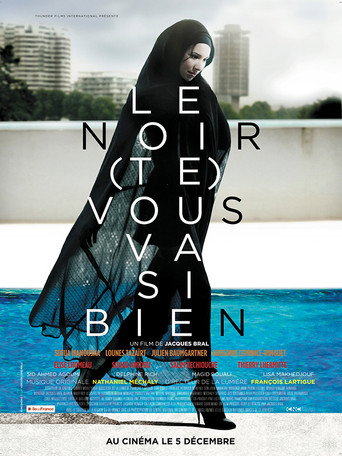
Black Really Suits You
The life of a Middle-East family of immigrants in Europe. The father carries the heavy burden of banishment. To rescue his culture, his traditions, is mandatory, so he remains faithful to his past, his origins, to himself. His daughter is now a grown-up. He worries and wishes she would get married soon. The young woman leaves the family home every morning, but changes her clothes in a bar before she goes to work, her hair down. She puzzles the young boss of the company that employs her. He fell in love and is ready to do anything to marry her. But the young woman keeps her freedom of choice, just like her mother had done with her father. She won’t have time to introduce the only man for her to her parents. A friend of her father’s catches them. In a cafe.
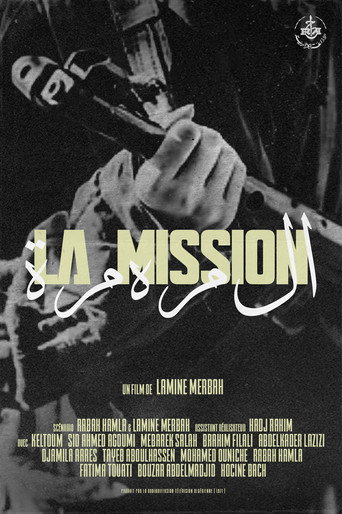
La Mission
An Algerian peasant (fellah), crushed by the soldiers of the French colonial army, decides to resist. His young wife finds herself, despite herself, also enlisted in the Algerian resistance to flee the atrocities of harsh colonial persecution.
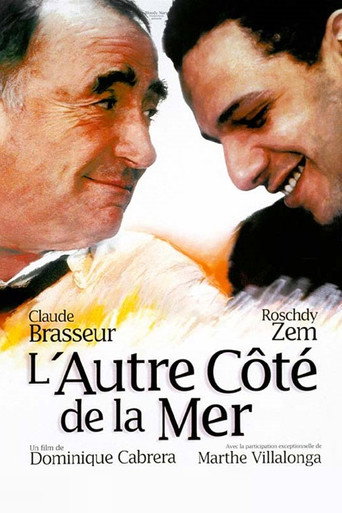
The Other Shore
This film deals with the aftermath of the Algerian war of liberation. Georges Montero, an Algerian-born Frenchman, manages an olive canning factory in Oran. He travels to Paris for a cataract operation. Marinette, his sister, and Belka, his friend and a recent immigrant, want him to return to France permanently. Friction develops between the two friends as Georges is pressured to sell his factory. Friendship developed between Georges and his surgeon, who as a French Arab has severed ties with his culture and country of origin.

Taxiphone
This is not how the young Swiss couple imagined their desert trip: on their way to Timbuktu, they break down and are stranded in the Algerian desert of Tar. Oliver is more concerned with the broken truck than with Elena, so she explores the oasis alone. There she meets two women: a mysterious fortune teller and the young Aya. And then there is Saïd's small public telephone exchange, which connects Tar with the outside world. While Elena discovers a new world, Oliver wants to end the trip as soon as possible.
Gallery