Shirley Temple Movies, TV Shows, and Filmography

Shirley Temple
Acting
Biography
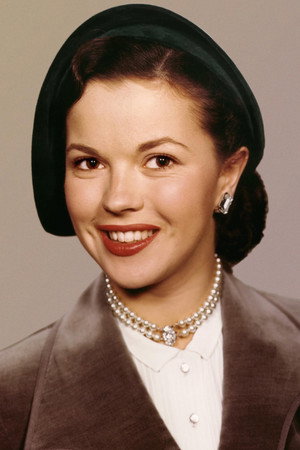
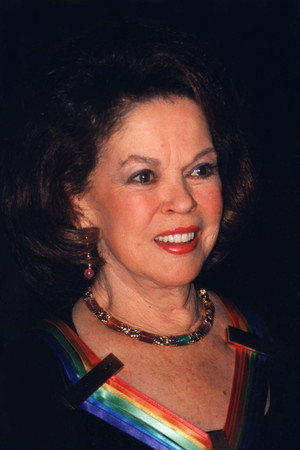
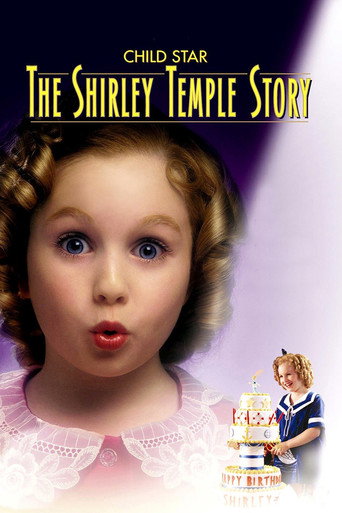
Shirley Temple Black (born Shirley Jane Temple; April 23, 1928 – February 10, 2014) was an American actress, singer, dancer, and diplomat, who was Hollywood's number-one box-office draw as a child actress from 1934 to 1938. Later, she was named United States Ambassador to Ghana and Czechoslovakia, and also served as Chief of Protocol of the United States. Temple began her film career at the age of three in 1931. Two years later, she achieved international fame in Bright Eyes, a feature film produced especially for her talents. She received a special Juvenile Academy Award in February 1935 for her outstanding contribution as a juvenile performer in motion pictures during 1934. Film hits such as Curly Top and Heidi followed year after year during the mid- to late 1930s. Temple capitalized on licensed merchandise that featured her wholesome image; the merchandise included dolls, dishes, and clothing. Her box-office popularity waned as she reached adolescence. She appeared in 29 films from the ages of 3 to 10, but in only 14 films from the ages of 14 to 21. Temple retired from film in 1950 at the age of 22. In 1958, Temple returned to show business with a two-season television anthology series of fairy tale adaptations. She made guest appearances on television shows in the early 1960s and filmed a sitcom pilot that was never released. She sat on the boards of corporations and organizations, including the Walt Disney Company, Del Monte Foods, and the National Wildlife Federation. She began her diplomatic career in 1969, when she was appointed to represent the United States at a session of the United Nations General Assembly, where she worked at the U.S. Mission under Ambassador Charles W. Yost. In 1988, she published her autobiography, Child Star. Temple was the recipient of numerous awards and honors, including the Kennedy Center Honors and a Screen Actors Guild Life Achievement Award. She is 18th on the American Film Institute's list of the greatest female American screen legends of classic Hollywood cinema. [biography (excerpted) from Wikipedia]
Filmography Movies
Acting
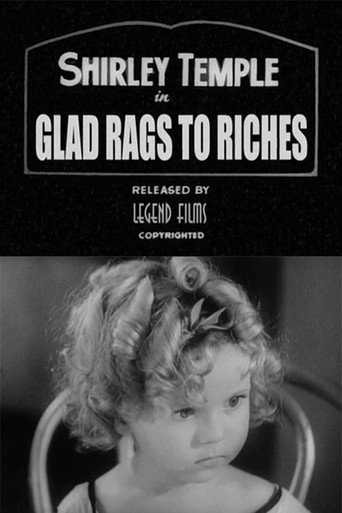
Glad Rags to Riches
A girl has to decide who to marry: a poor country boy or a rich nightclub owner.
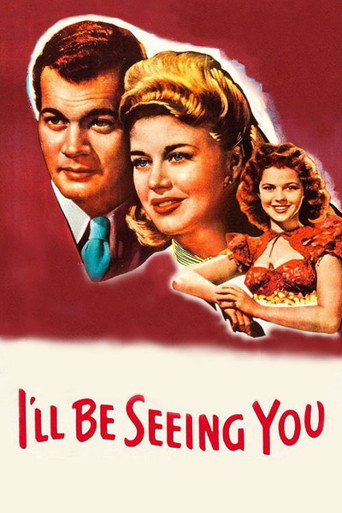
I'll Be Seeing You
Mary Marshall, serving a six year term for accidental manslaughter, is given a Christmas furlough from prison to visit her closest relatives, her uncle and his family in a small Midwestern town. On the train she meets Zach Morgan, a troubled army sergeant on leave for the holidays from a military hospital. Although his physical wounds have healed, he is suffering from post-traumatic stress disorder and is subject to panic attacks. The pair are attracted to one another and in the warm atmosphere of the Christmas season friendship blossoms into romance, but Mary is reluctant to tell him of her past and that she must shortly return to prison to serve the remainder of her sentence.

Baby Take a Bow
Eddie Ellison is an ex-con who spent time in Sing-Sing prison. Kay marries him as soon as he serves his time. Five years later, Eddie and his ex-convict buddy Larry, have both gone straight, and Eddie and Kay have a beautiful little girl named Shirley. However, Welch has kept a close eye on them for years. He believes in "once a criminal, always a criminal." Then, when Eddie's employer's wife's pearls go missing, it comes out that Eddie and Larry both spent time in prison, and they're fired. Welch suspects that Eddie and Larry have something to do with the theft of the pearls. Will Welch prove that Eddie and Larry had something to do with the theft, or will the truth prevail?
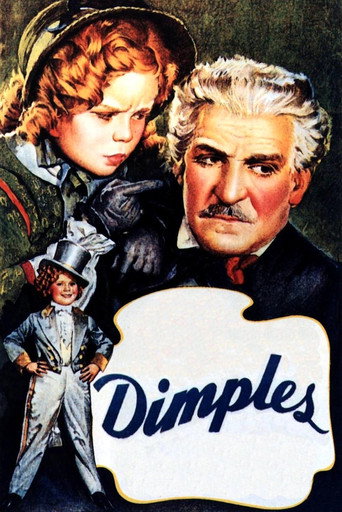
Dimples
Dimples Appleby lives with her pick-pocket grandfather in 19th century New York City. She entertains the crowds while he works his racket. A rich lady makes it possible for the girl to go legit.
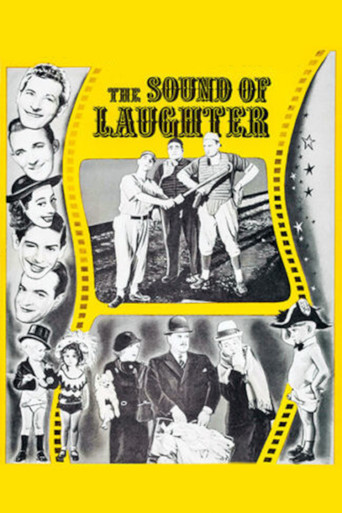
The Sound of Laughter
A compilation of film clips of comedies from 1930's.
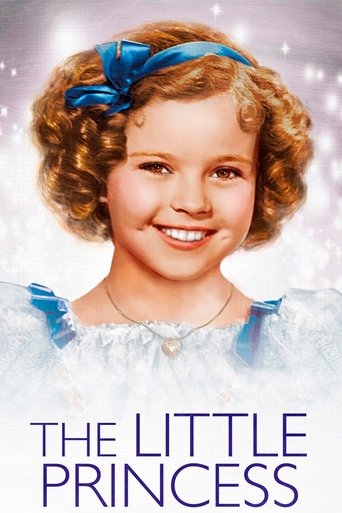
The Little Princess
A little girl goes in search of her father who is reported missing by the military during the Second Boer War.
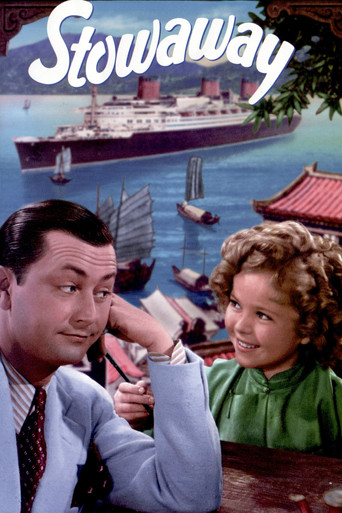
Stowaway
Chin-Ching gets lost in Shanghai and is befriended by American playboy Tommy Randall. She falls asleep in his car which winds up on a ship headed for America. Susan Parker, also on the ship, marries Randall to give Chin-Ching a family.
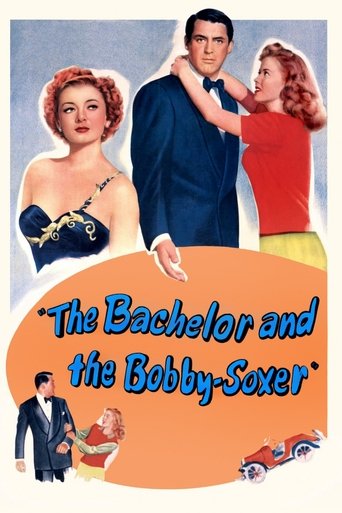
The Bachelor and the Bobby-Soxer
Teenager Susan Turner, with a severe crush on playboy artist Richard Nugent, sneaks into his apartment to model for him and is found there by her sister Judge Margaret Turner. Threatened with jail, Nugent agrees to date Susan until the crush abates.

Heidi
Heidi is orphaned and her uncaring maternal Aunt Dete takes her to the mountains to live with her reclusive, grumpy paternal grandfather, Adolph Kramer. Heidi brings her grandfather back into mountain society through her sweet ways and sheer love. When Dete later returns and steals Heidi away to become the companion of a rich man's wheelchair-bound daughter, the grandfather is heartsick to discover his little girl missing and immediately sets out to get her back.
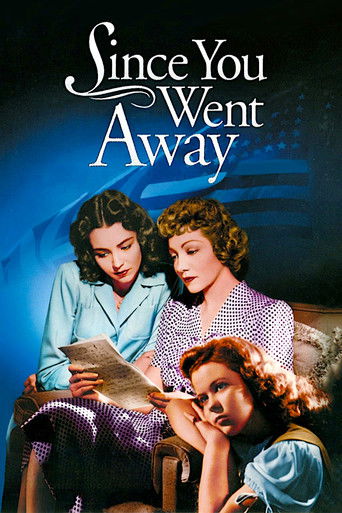
Since You Went Away
In 1943, several people enter, re-enter, and exit the difficult life of a Midwestern family whose patriarch has been called up to war, leaving behind his wife and two teen daughters.
Gallery