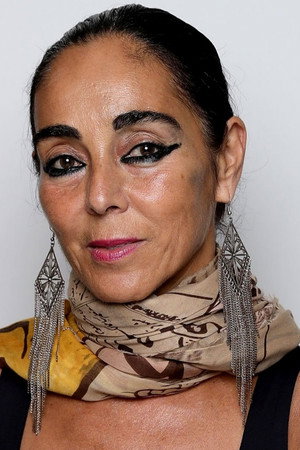
Shirin Neshat Movies, TV Shows, and Filmography
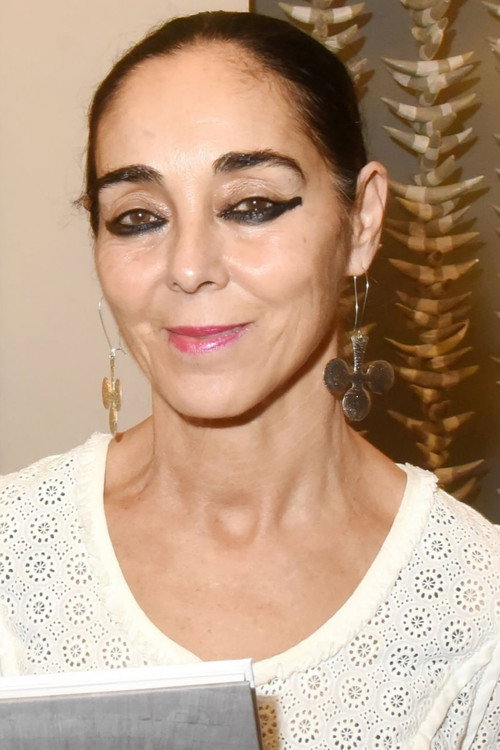
Shirin Neshat
Directing
Biography
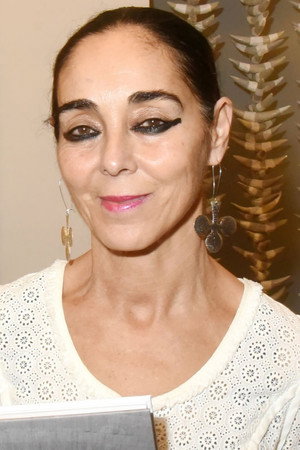
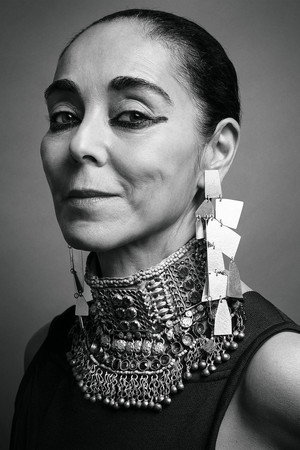
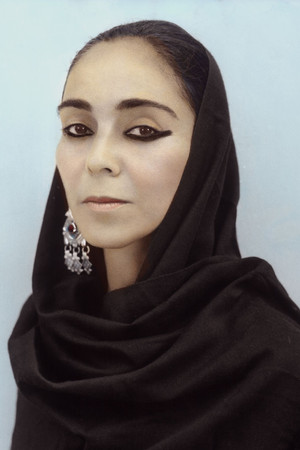
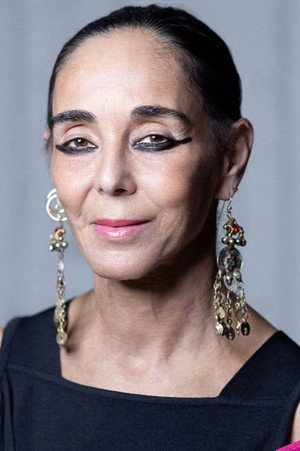
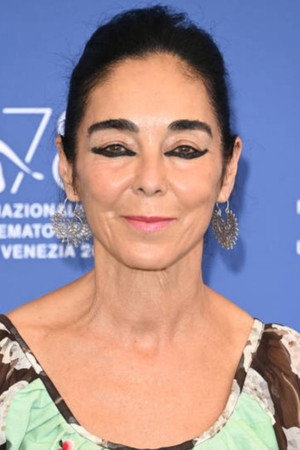
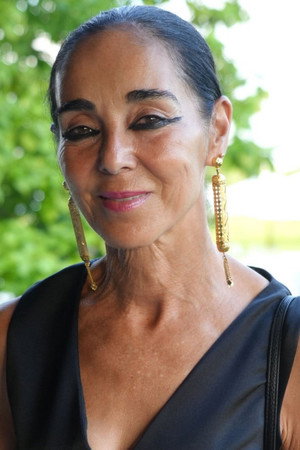
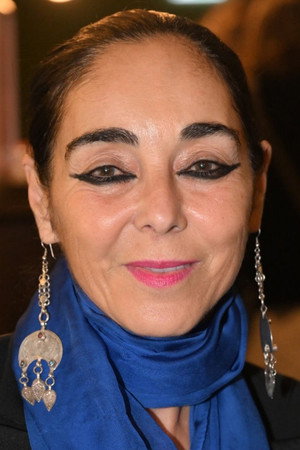
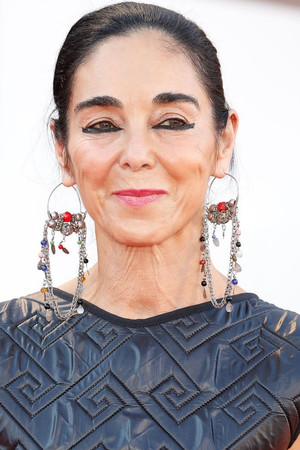
Shirin Neshat ( شیرین نشاط, born March 26, 1957 Qazvin) is an Iranian visual artist who lives in New York City, known primarily for her work in film, video and photography. Her artwork centers on the contrasts between Islam and the West, femininity and masculinity, public life and private life, antiquity and modernity, and bridging the spaces between these subjects. Since Iran has undermined basic human rights, particularly since the Islamic Revolution she has said that she has "gravitated toward making art that is concerned with tyranny, dictatorship, oppression and political injustice. Although I don’t consider myself an activist, I believe my art – regardless of its nature – is an expression of protest, a cry for humanity.” Neshat has been recognized countless times for her work, from winning the International Award of the XLVIII Venice Biennale in 1999, to winning the Silver Lion for best director at the 66th Venice Film Festival in 2009, to being named Artist of the Decade by Huffington Post critic G. Roger Denson. Neshat is a critic in the photography department at the Yale School of Art.
Filmography Movies
Acting

Axis of Light
Seen through the work of eight leading artists from the Middle East, Axis of Light is a poignant and absorbing observation of the influences of conflict.
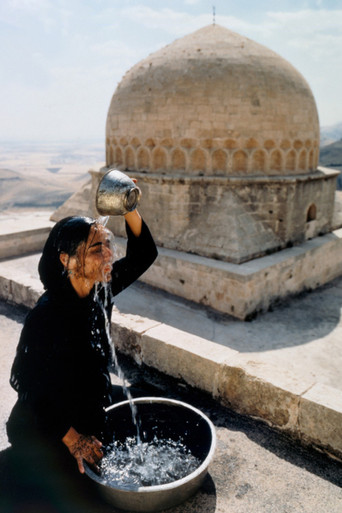
Soliloquy
Two screens face each other in a dark room, only a bench off to the side interrupting the space between them. Settling into this interstitial expanse of Shirin Neshat’s Soliloquy (1999), viewers become mediators, with the series of scenes on each screen flowing not past, but through this audience – asking them, perhaps, to act as witnesses to the ensuing visual dialogue. The titles begin, in English and Persian; then, the sole character appears, clad in black robes and played by Neshat herself. She is looking out of two different windows: one in Albany, New York; the other in Mardin, Turkey, not far from the artist’s native Iran.
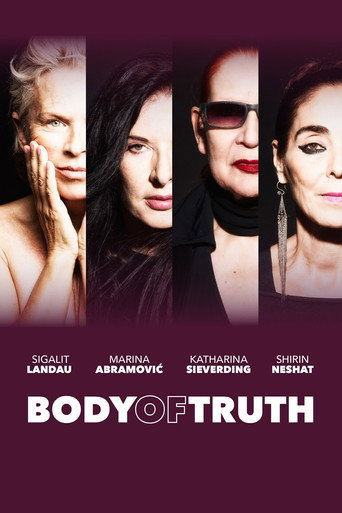
Body of Truth
Four female artists have been politicized by experiences with war, violence and suppression and integrated them into their work, using their most personal tool: their own bodies.
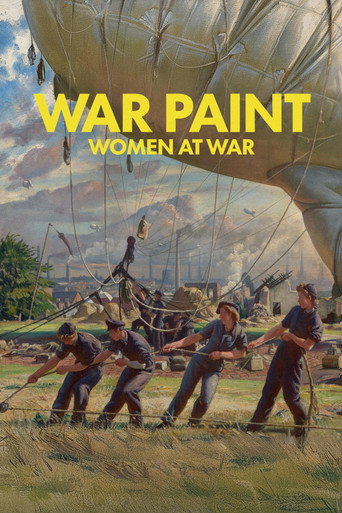
War Paint: Women at War
Shining a light on the trailblazing role of women war artists, on the front lines round the world, championing the female perspective on conflict through art and asking: when it's life or death, what do women see that men don't?
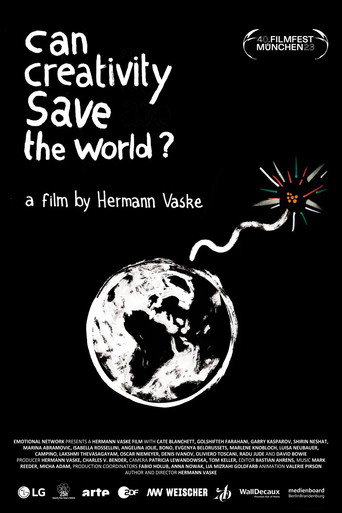
Can Creativity Save the World?
The final part of the Creativity Trilogy explores existential threats our world is facing. An inspiring film about imagination's power and a hopeful glimpse into the future.
9/11/03: A Day in the Life of New York
New Yorkers such as novelist Salman Rushdie, Yankees manager Joe Torre and hip-hop star Russell Simmons discuss how 9/11 altered their perception of the world.
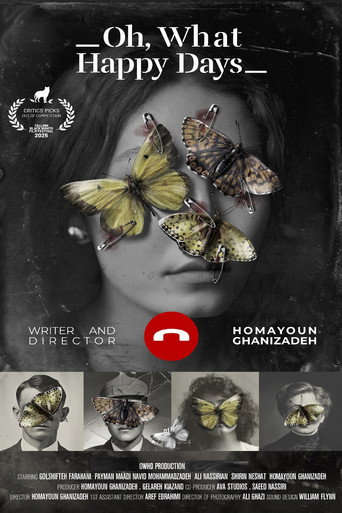
Oh, What Happy Days!
On the eve of losing her family estate, actress Homa is blackmailed by a government agent with a compromising tape. Forced into a real-time video call with her estranged family, which has been exiled since the 1979 Revolution, decades of silence explode into raw confrontation. As old wounds resurface and accusations fly, the line between past and present blurs. Secrets unravel, betrayals are laid bare, and the long-buried fate of two sons lost to history comes roaring back.
K
Three stories. We see, but little is explained. In "The Married Couple," a salesman pays a call on an old customer who is with his wife in the upstairs bedroom of their ill adult son. Another salesman may beat him to the punch, but not before disorienting changes. A maid scrubs the floor. "In the Penal Colony": a man arrives at a penal colony where an officer demonstrates a bizarre apparatus, one that punches a message into the skin of a prisoner strapped beneath it. Who will be punished? In "Fratricide," a man is murdered at night by someone he knows well. A woman grieves.
Production
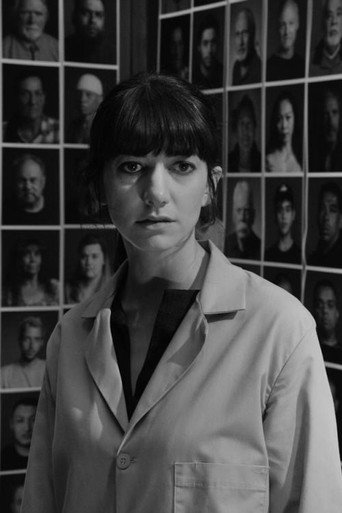
The Colony
The Colony, which shares the screen and the character of Shirin Neshat's Land of Dreams, is about an immense research institute devoted to recording and archiving the dreams of the local population.
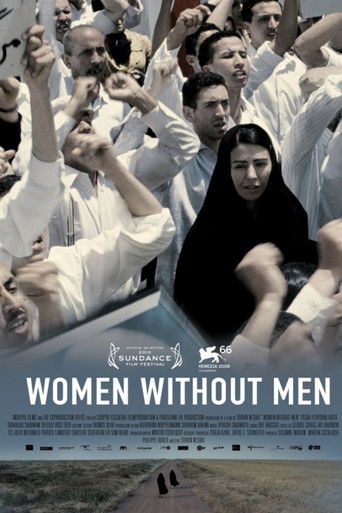
Women Without Men
Against the tumultuous backdrop of Iran's 1953 CIA-backed coup d'état, the destinies of four women converge in a beautiful orchard garden, where they find independence, solace and companionship.
Women Without Men
Against the tumultuous backdrop of Iran's 1953 CIA-backed coup d'état, the destinies of four women converge in a beautiful orchard garden, where they find independence, solace and companionship.
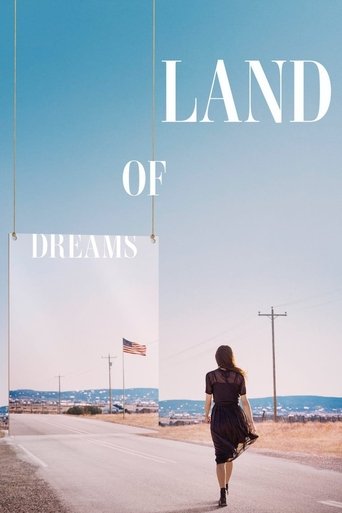
Land of Dreams
Simin is an Iranian woman on a journey to discover what it means to be a free American. She works for the Census Bureau which, in an effort to control its citizens, has begun a program to record their dreams. Unaware of this devious plot, Simin is torn between her compassion for those whose dreams she is recording and a truth she must find within.

Turbulent
On one wall, a singer delivers a passionate love song to a group of men. He is faced away from his audience, secure that his performance will be accepted and adored. On the opposite wall, a woman in a black chador stands silently throughout his song. Then something stunning happens…
Passage
Produced in collaboration with the American musical composer Philip Glass, Neshat’s narrative follows a procession of men as they carry a body through the desert to a grave that has been hand dug by women.
Possessed
In Possessed, a seemingly mad woman in an Islamic village evokes questions of social acceptability.
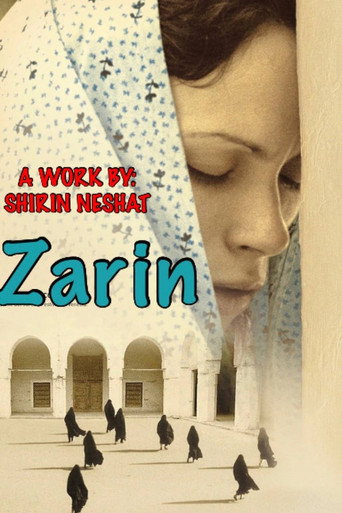
Zarin
The story of a young woman who has been working as a prostitute since childhood. The film traces her slow disintegration into psychic delirium. Wracked by both guilt for her actions and a strong desire for salvation, her madness manifests itself in her perception of the world around her. Chronicling the course of her breakdown with imagery that is both graphic and beautiful, Neshat evokes the torment of one so tortured by her subjugated role in society that she feels completely powerless. As the men Zarin encounters appear without faces, horror, shame, and guilt overwhelm her. Viewing this as her punishment from God, she flees the brothel for a bathhouse. Scrubbing her skin raw and bloody, she attempts to make amends with her past; however, she descends deeper in madness as she strives for redemption.
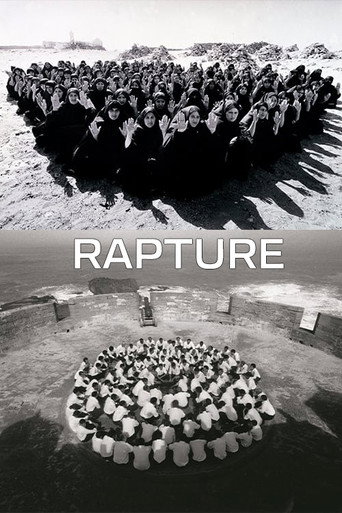
Rapture
The installation features two black-and-white projections. One depicts a group of men dressed in Western suits and the other captures a group of women veiled in chador. In the work, Neshat takes on entrenched gender stereotypes by placing the men in a structured, architectural fortress and the women in a wild, natural desert. The viewer is positioned between these dichotomies, with the videos displayed on opposite walls, and is forced to shift attention from one to the other. The installation shows how established beliefs and presumptions can flourish in social and religious systems, emphasizing that these deep-rooted dynamics profoundly impact all people, indiscriminate of gender.
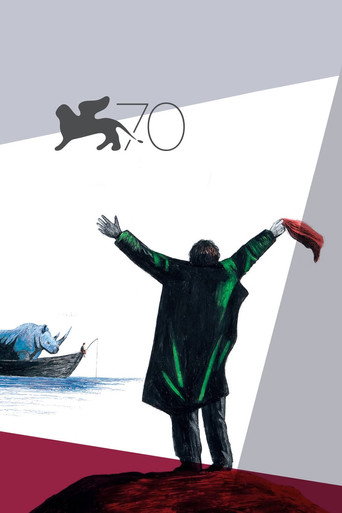
Venice 70: Future Reloaded
Made for the Venice Film Festival's 70th anniversary, seventy filmmakers made a short film between 60 and 90 seconds long on their interpretation of the future of cinema.
Gallery