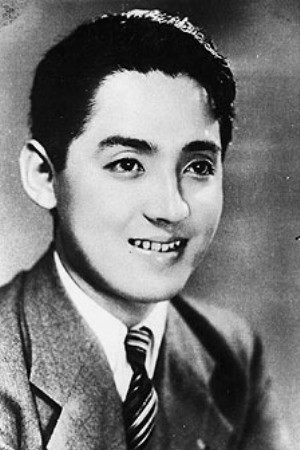
Acting
No biography available.
1938 Theater of Life adaptation.
1942 adaptation of Izumi Kyoka's novel.
Toshie, a young, conservative secretary-typist has fallen in love with Shozo Narita, a young man she has met through her work.
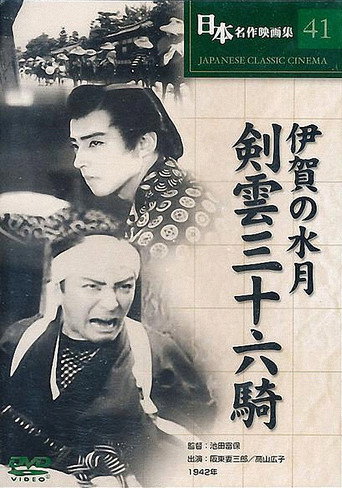
Famed swordsman Araki Mataemon must face his best friend as they are forced to take opposite sides in a vendetta caused by the murder of a family member.
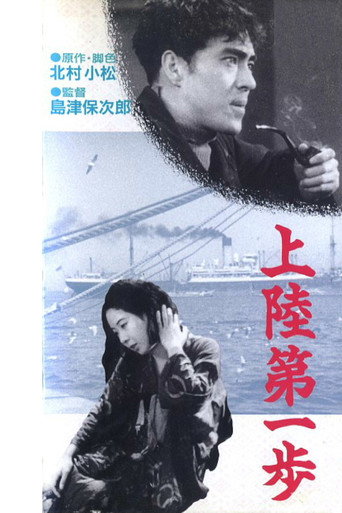
The story of a sailor who begins a love affair with a woman he saves from suicide.
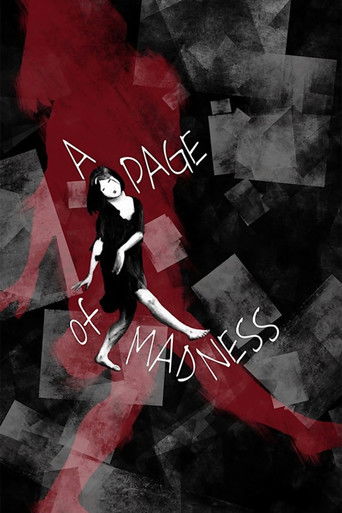
A man takes a job at an asylum with hopes of freeing his imprisoned wife.
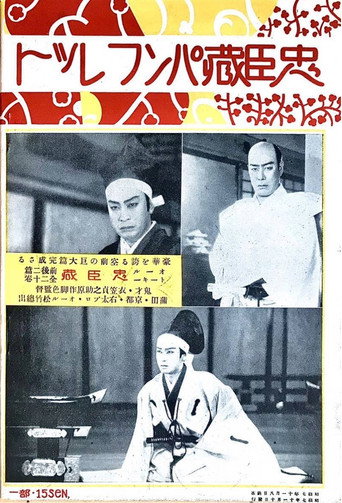
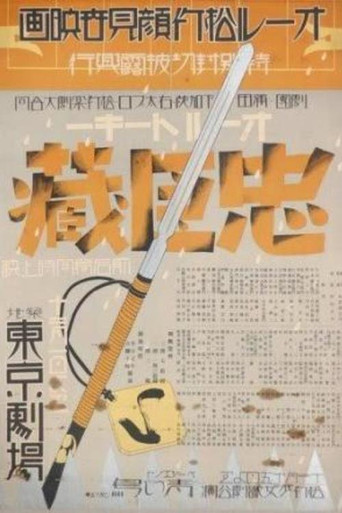
This 1932 adaptation is the earliest sound version of the ever-popular and much-filmed Chushingura story of the loyal 47 retainers who avenged their feudal lord after he was obliged to commit hara-kiri due to the machinations of a villainous courtier. As the first sound version of the classic narrative, the film was something of an event, and employed a stellar cast, who give a roster of memorable performances. Director Teinosuke Kinugasa was primarily a specialist in jidai-geki (period films), such as the internationally celebrated Gate of Hell (Jigokumon, 1953), and although he is now most famous as the maker of the avant-garde silent films A Page of Madness (Kurutta ichipeji, 1926) and Crossroads (Jujiro, 1928), Chushingura is in fact more typical of his output than those experimental works. The film ranked third in that year’s Kinema Junpo critics’ poll, and Joseph Anderson and Donald Richie noted that 'not only the sound but the quick cutting was admired by many critics.
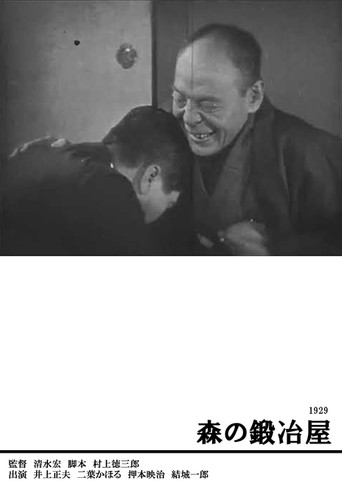
A blacksmith is chased out of the village by the sinister village chief and forced to move to the forest with his wife and two sons. The blacksmith's younger son is disabled, and the other children in the village tease him. The older son aspires to become a doctor in order to fix his brother's leg. The film depicts the bond between a father and his sons. Only 18 minutes survive.