Acting
No biography available.
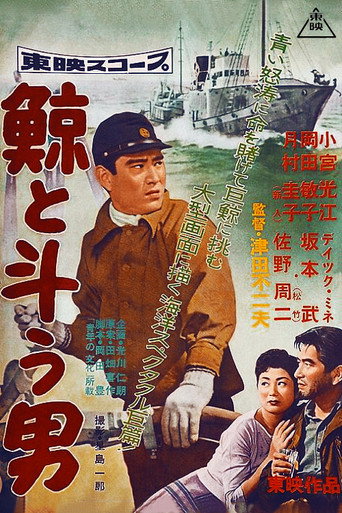
A film about the rivalry between Captain Gondo and the harpooner Yosuke Yamagami, working on the best whaling ship Hayabusa Maru. One day they will have to face a giant, monstrous whale.
1962 Japanese movie
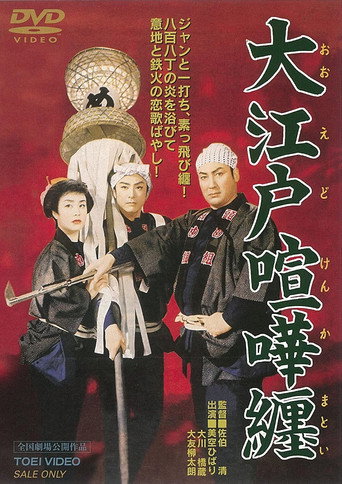
It's fighting fires and swordsmen with a touch of music in this free-for-all of action and excitement combining the talents of Japan's most popular couple... Misora Hibari and Okawa Hashizo. Along with the great Otomo Rytaro as Tatsugoro the fire chief, they keep Edo safe as part of the famed Megumi Fire Squad.
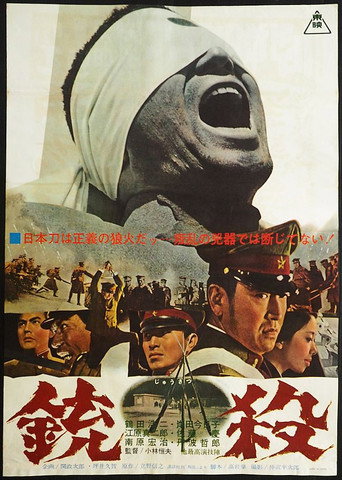
This film tells about the murder of Lieutenant Colonel Aikawa, the head of the Bureau of Military Affairs, about the beginning of the incident 2.26 and the execution of young officers.
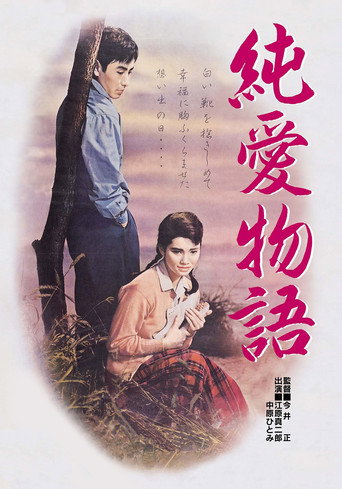
Junai Monogatari AKA Story of Pure Love is about two poor youths, Mitsuko and Kando, rebelling against society in various ways, who are desperately trying to be together despite tortuous circumstances. The film depicts their lives as thieves, menial laborers who can get little pay, society outcasts, and of course, lovers. Junai Monogatari depicts, mostly, their struggles within the Japanese reformatory system and Mitsuko's worsening sickness.
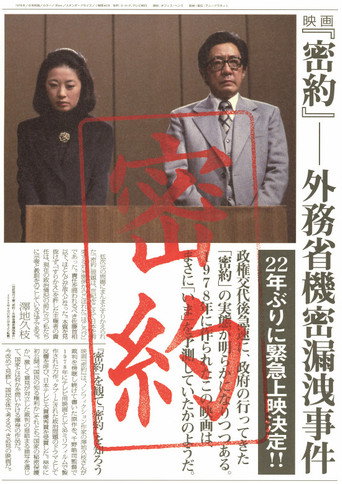
TV film about the "Nishiyama Incident", a scandal surrounding the 1972 return of Okinawa to Japan. Produced to commemorate the 20th anniversary of TV Asahi in 1978 and released theatrically by Office Henmi in 1988.
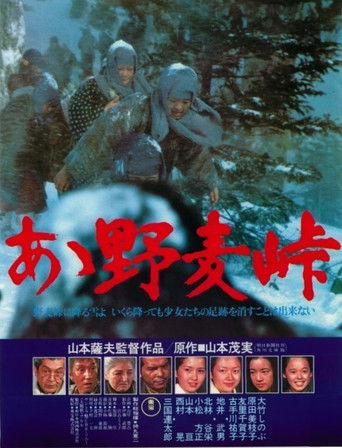
The story of the silk industry and the young girls who worked as silk spinners in the early 1900s in Japan. The silk mills were located in Okaya which lies just beyond the Nomugi Pass. The women and girls worked in a hot, humid atmosphere without rest, and endured those conditions and sexual harassment to earn money for their poor families. Across the ocean, it was the great depression in America.
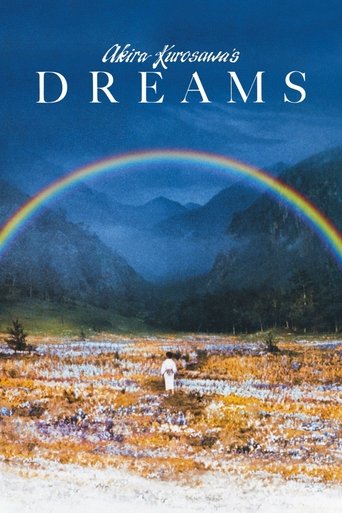
Eight visually rich vignettes drawn from Kurosawa’s own dreams—fox weddings and vanished orchards, a soldier’s ghosts, a walk through Van Gogh’s canvases, nuclear nightmares, and a water-mill utopia—meditate on childhood, art, mortality, and humanity’s uneasy bond with nature.
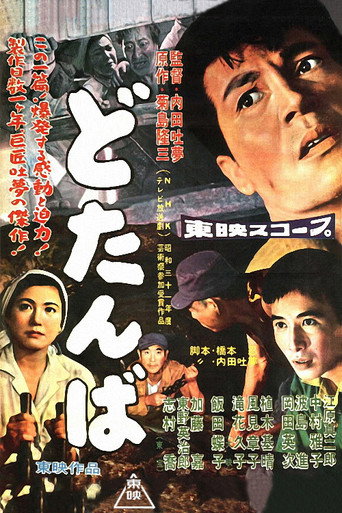
Based on a 1956 television feature on Japan’s national network, NHK, this is one of Uchida’s rarest films. A socially conscious drama with a contemporary backdrop, Dotanba focuses on the attempts to rescue a group of trapped miners. The title is a figure of speech — (essentially “last minute” or “eleventh hour”) — that refers to a situation of peril. The film boasts a script co-written by Uchida and Akira Kurosawa’s frequent screenwriter, Shinobu Hashimoto, and stars Kurosawa’s frequent star Takashi Shimura.