Acting
No biography available.
This independently created film by Stanley Nelson was underwritten by Starbucks with the intent of educating its employees about the history of access to public spaces for African-Americans. The film explores the impact of bias within public accommodations as well as the possibilities for a better future.
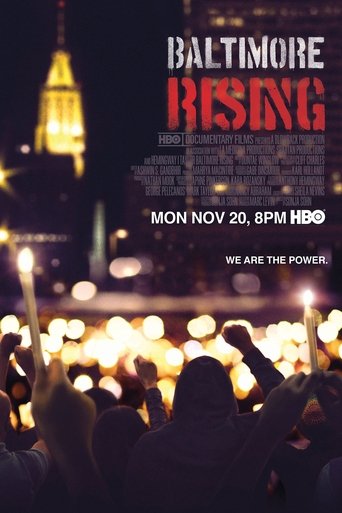
In the wake of Freddie Gray's death in police custody, peaceful protests and destructive riots erupted as the city awaited the fate of six police officers involved in the incident. Follow the activists, police officers, community leaders and gang affiliates, who struggle to hold Baltimore together.
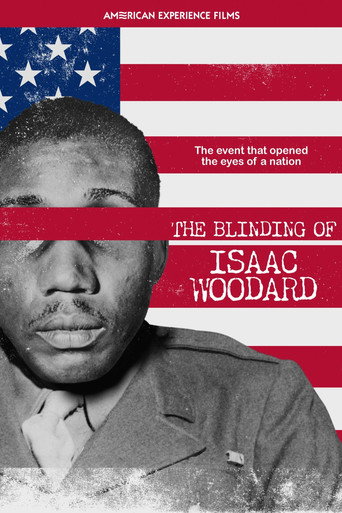
In 1946, Isaac Woodard, a Black army sergeant on his way home to South Carolina after serving in WWII, was pulled from a bus for arguing with the driver. The local chief of police savagely beat him, leaving him unconscious and permanently blind. The shocking incident made national headlines and, when the police chief was acquitted by an all-white jury, the blatant injustice would change the course of American history. Based on Richard Gergel’s book Unexampled Courage, the film details how the crime led to the racial awakening of President Harry Truman, who desegregated federal offices and the military two years later. The event also ultimately set the stage for the Supreme Court’s landmark 1954 Brown v. Board of Education decision, which finally outlawed segregation in public schools and jumpstarted the modern civil rights movement.
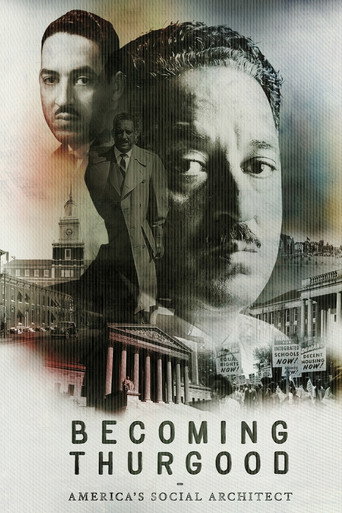
Becoming Thurgood: America’s Social Architect traces Marshall’s life and career from his birth in Baltimore in 1908, through his years at Historically Black Colleges and Universities Lincoln University and Howard University School of Law, and on to his groundbreaking career as a lawyer championing civil rights. After launching his legal career in Baltimore in 1935, Marshall went on to win 29 of the 32 cases he argued before the U.S. Supreme Court , most notably the landmark Brown v. Board of Education case in 1954, which ended racial segregation in public schools. In 1967 he was appointed to the Supreme Court, where he served until his retirement in 1991.