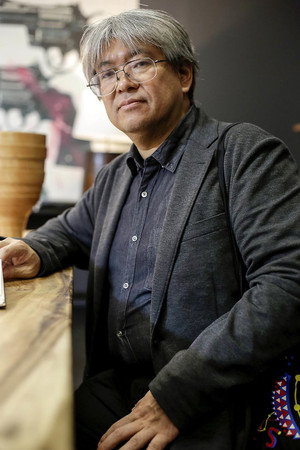
Shôzô Ichiyama Movies, TV Shows, and Filmography
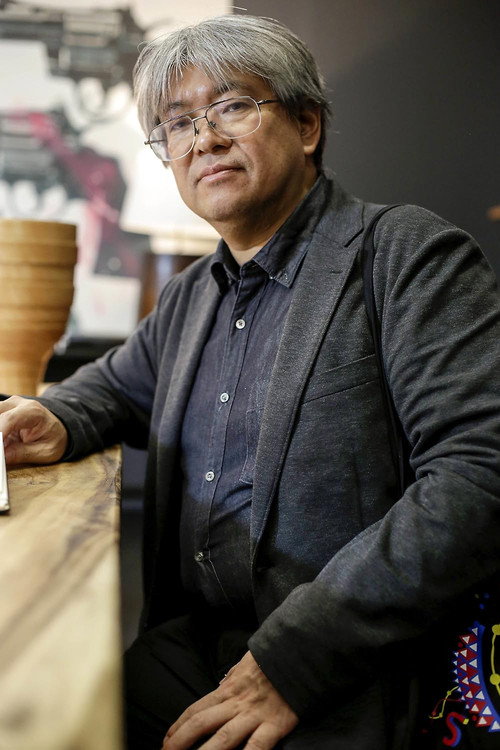
Shôzô Ichiyama
Production
Biography
Shozo Ichiyama (born 1963), also known as Shozo Ichikawa, is a Japanese film producer. He has worked on films by directors such as Hou Hsiao-hsien and Jia Zhangke. Born in 1963 in Shinnanyo City, Yamaguchi Prefecture (now Shunan City). After graduating from Yamaguchi Prefectural Tokuyama High School, he graduated from the Faculty of Economics at the University of Tokyo. In 1987, he joined Shochiku. In 1998, he left Shochiku to join T-Mark. In 2000, he launched Tokyo FILMeX. In 2008, he produced Song of Sichuan, directed by Jia Zhangke. He has been the programming director of the Tokyo International Film Festival since April 2021. From 2024, he will be a professor in the Film Production Department at the Graduate School of Film and New Media, Tokyo University of the Arts. In 2019, he received the 37th Kawakita Award. Description above from the Wikipedia article Shozo Ichiyama, licensed under CC-BY-SA, full list of contributors on Wikipedia.
Filmography Movies
Acting
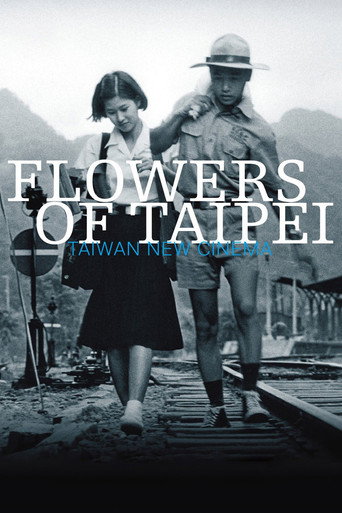
Flowers of Taipei: Taiwan New Cinema
With Taiwan remaining in the grip of martial law in 1982, a group of filmmakers from that country set out to establish a cultural identity through cinema and to share it with the world. This engaging documentary looks at the movement's legacy.
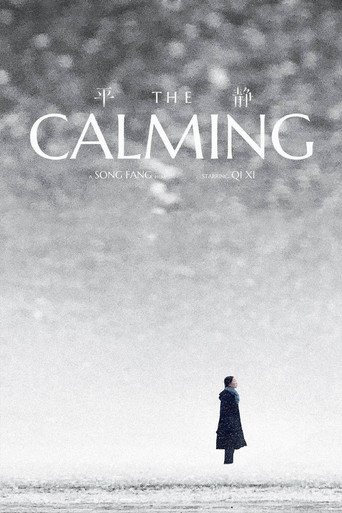
The Calming
A filmmaker is constantly on the move after recently ending a relationship. As she travels alone between Beijing, Nanjing, Hong Kong and Japan, she observes and engages with her ever-changing environs while seeking an inner calm.
Production
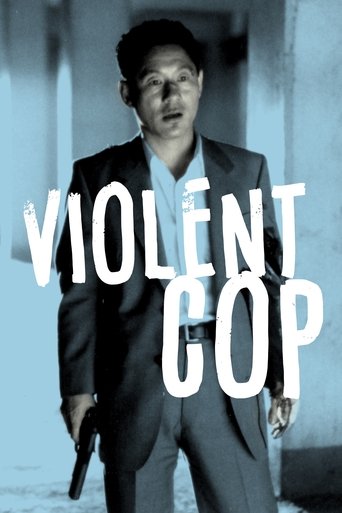
Violent Cop
A detective breaks all rules of ethical conduct while investigating a colleague’s involvement in drug pushing and Yakuza activities.
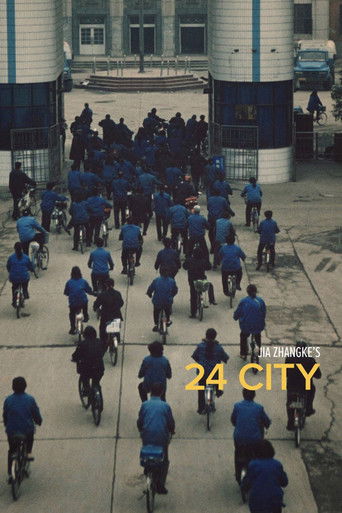
24 City
As a decades-old state-run aeronautics munitions factory in downtown Chengdu, China is being torn down for the construction of the titular luxury apartment complex, director Jia Zhangke interviews various people affiliated with it about their experiences.
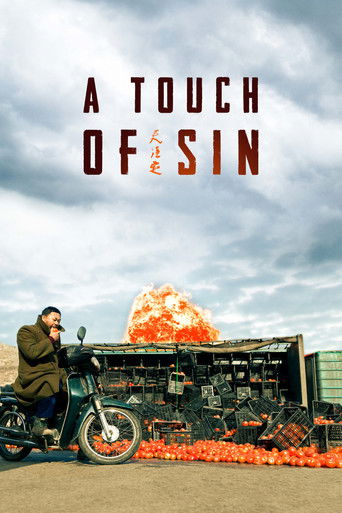
A Touch of Sin
Four people in different provinces are driven to violent ends: An angry miner is enraged by corruption in his village. A migrant discovers the possibilities of owning a firearm. A receptionist is pushed beyond her limits by an abusive client. A young factory worker goes from one job to the next.
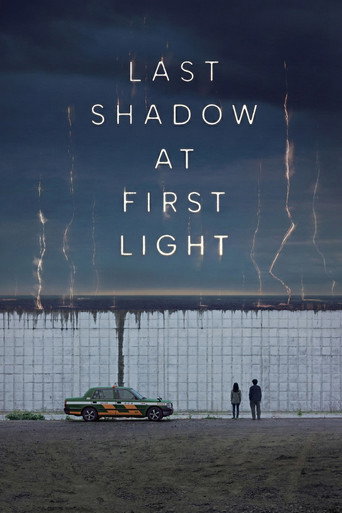
Last Shadow at First Light
Ami, haunted by recurring apparitions, embarks on a journey from Singapore to Japan in search of her missing mother. Amidst the transforming landscapes, Ami's dreams, hauntings and lost mother unveil their true form.
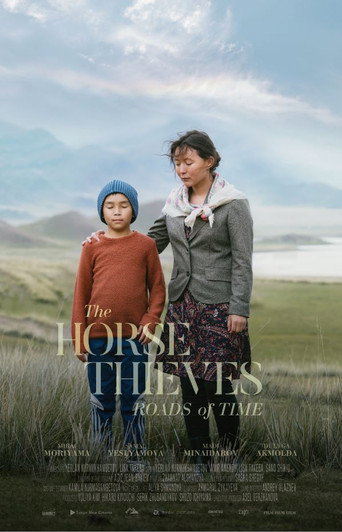
The Horse Thieves. Roads of Time
Father of little Olzhas is killed by horse thieves on the day he goes to a market. Now, his mother decides to move back to her hometown with him and his little sisters together with the horses the father has left behind. A strange man shows up on their door asking to meet Olzhas for once, and volunteers to help their move.
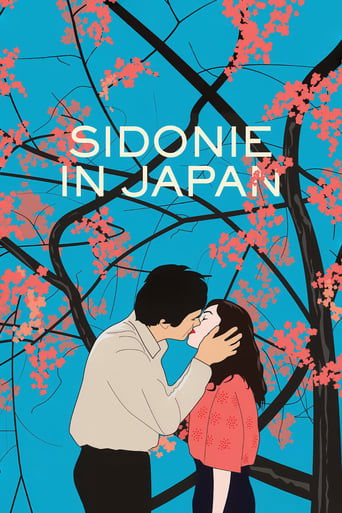
Sidonie in Japan
Sidonie Perceval, an established French writer, is mourning her deceased husband. Invited to Japan for the reedition of her first book, she is welcomed by her local editor who takes her to Kyoto, the city of shrines and temples. As they travel together through the Japanese spring blossoms, she slowly opens up to him. But the ghost of her husband follows Sidonie: she will have to finally let go of the past to let herself love again.
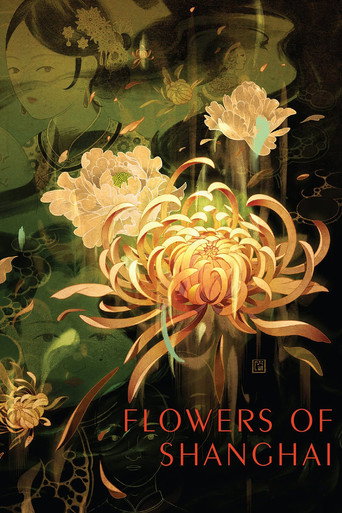
Flowers of Shanghai
At the end of the 19th century, Shanghai is divided into several foreign concessions. In the British concession, a number of luxurious “flower houses” are reserved for the male elite of the city. Since Chinese dignitaries are not allowed to frequent brothels, these establishments are the only ones that these men can visit. They form a self-contained world, with its own rites, traditions and even its own language. The men don’t only visit the houses to frequent the courtesans but also to dine, smoke opium, play mahjong and relax. The women working there are known as the “flowers of Shanghai”.
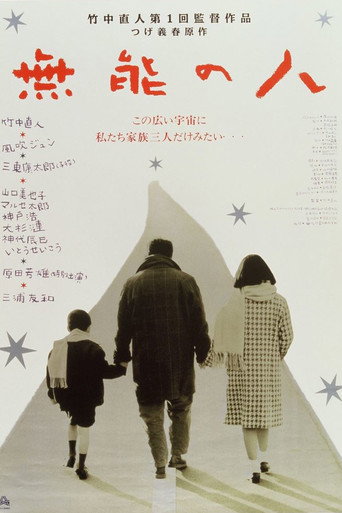
Nowhere Man
Sukezo, a former manga comic artist, takes up the art rock business by setting up a shop in a shed by the river. He tries hard to be successful, but business does not go well and the family becomes progressively poorer.

Big River
Soon after he lands in America, Ali, a Muslim man from Pakistan, begins his search for his estranged wife, Nadia. On his journey, Ali meets with Teppei, a Japanese traveller hitchhiking his way across America, and Sarah, a local trailer park girl, who help him in his search. The three travellers succeed in finding Nadia, who, to Ali’s dismay, is living a new life in Phoenix with another man. Ali spends the rest of his stay in America with Teppei and Sarah, anxiously wondering where his life is leading. In the brief time they are together, the three companions commit to helping one another. Ali, Teppei and Sarah begin a new journey, to find their own individual identities and in the process they find each other. Big River is a road movie, a tale about the borderless realm of friendship and its ability to transcend culture.
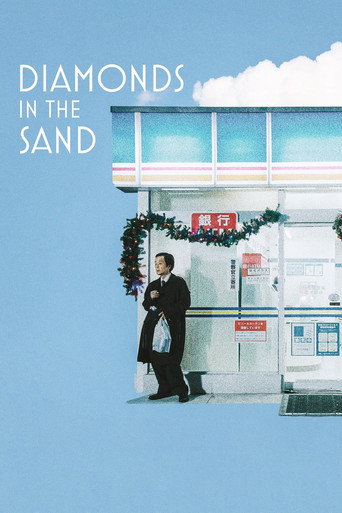
Diamonds in the Sand
Divorced salaryman Yoji has just buried his mother in Tokyo. With few meaningful relationships left, he comes to grips with the realization that he has nothing to live for. A chance encounter with Minerva, a Filipina migrant worker who appears to sense his sadness, urges him to see his situation in a new way. A former nightclub entertainer, Minerva now works as a caregiver to provide for her only child in the Philippines. When Yoji discovers the decomposing corpse of his neighbor, an old man whose name he does not know, the death is ruled a kodokushi, or the lonely death. Unwilling to meet the same fate, Yoji throws caution to the wind to follow Minerva to Manila, the capital city of the Philippines.
Gallery