Sezen Aksu Movies, TV Shows, and Filmography

Sezen Aksu
Acting
Biography
Sezen Aksu is a Turkish pop music singer, songwriter and producer who has sold over 40 million albums worldwide. Her nicknames include the "Queen of Turkish Pop" and Minik Serçe ("Little Sparrow"). Sezen Aksu's influence on Turkish pop and world music has continued since her debut in 1975, and has been reinforced by her patronage of and collaboration with many other musicians, including Sertab Erener, Sebnem Ferah, Askin Nur Yengi, Hande Yener, and Levent Yüksel. Her work with Tarkan resulted in continental hits like "Simarik" and "Sıkıldım" and her collaboration with Goran Bregovic widened her international audience. In the 80's, Aksu had a relationship with producer Onno Tunç that was both romantic and professional. As a couple they put their signatures to works that broke new ground in Turkish pop music, such as Sen Aglama, Git, Sezen Aksu'88 and Sezen Aksu Söylüyor. Her music matured in the 90's, when she co-produced her best selling album to-date Gülümse with Tunç. The A-1 track from the album called Hadi Bakalim was a hit in Turkey and Europe, and was published as a single in Germany. It was to be later rediscovered in Europop by singer Loona as Rhythm of the Night. She also began to produce albums for her vocalists, notably producing Askin Nur Yengi's debut album Sevgiliye (To a Lover) again with Tunç. She was to repeat her success with artists Sertap Erener and Levent Yüksel also. In 2005, she was featured in Fatih Akin's documentary film "Crossing the Bridge: The Sound of Istanbul" with a performance of the song "Istanbul Hatirasi", Aksu has recently been re-releasing all her old classics digitally remastered and with specially designed new sleeves. In 2008, Aksu released her album called Deniz Yildizi through Starfish Records. And in 2009 she released her latest album Yürüyorum Düs Bahçelerinde. The album contains new original songs as well as some older songs which were composed by Sezen Aksu for other singers, most notably Çakkidi, Kibir, Yok Ki.
Filmography Movies
Acting
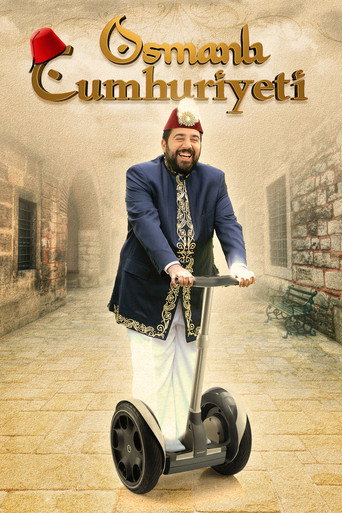
The Ottoman Republic
The film depicts a world in which Atatürk never became leader, the War of Independence never took place, and the Ottoman Republic continues to exist in a form adapted to the present day. The continuation of the Ottoman Republic instead of the Republic of Turkey, Ankara not being the capital, signs and license plates being in both Turkish and Arabic, and the sultan wearing a suit under his caftan are some of the tragicomic situations that make up the film's story.
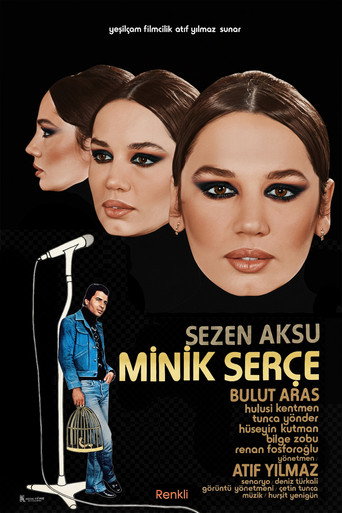
The Little Sparrow
Biographical fiction of Sezen Aksu's life.
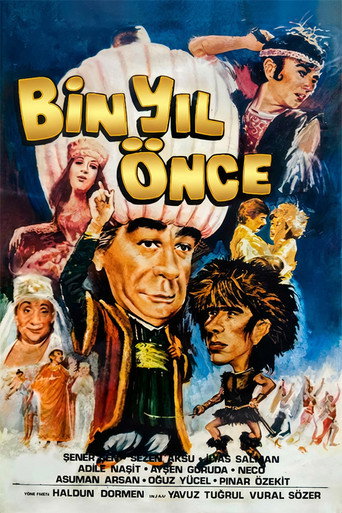
Bin Yıl Önce
A musical comedy.
A Thousand Years Later.
Tarkan and the Roman (Byzantine) Emperor clash in the musical "A Thousand Years Ago" directed by Haldun Dormen in 1985. Popular names of the period such as Sezen Aksu, Aysen Gruda, Sener Sen, Ilyas Salman and Adile Nasit also play in the play. The play "A Thousand Years Later" is the prequel to the play "A Thousand Years Ago" which was shown in the same year.
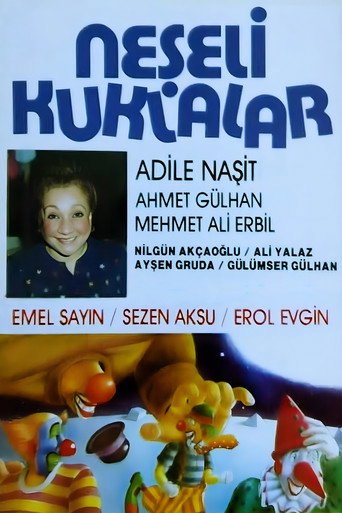
Neşeli Kuklalar
A children's musical theater production.
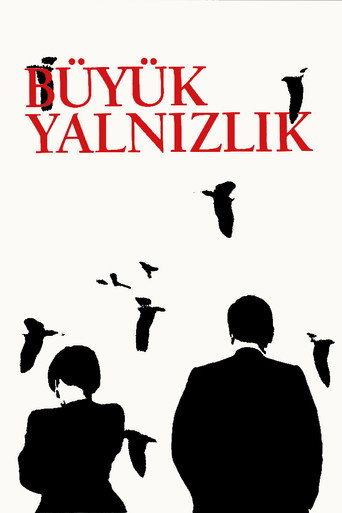
Büyük Yalnızlık
The story of a couple who decide to divorce after 10 years of marriage and end up fighting on their last night together as they take stock of their past.
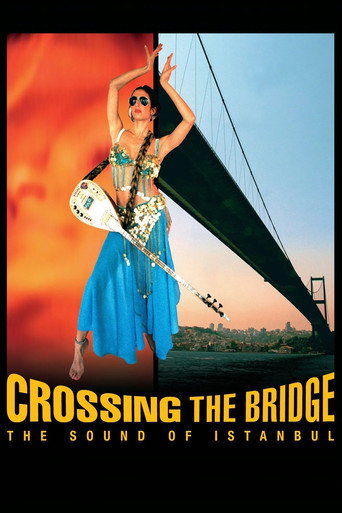
Crossing the Bridge: The Sound of Istanbul
German musician Alexander Hacke explores Istanbul's rich music culture and attempts to create a portrait of Turkey through music genres. On this journey, he encounters a mosaic that covers countless genres from rock to arabesque, electronic to hip-hop.
Production

Delibal
A love story following two young people battling with their emotions and dreams, the pressures of career, family and not knowing what the future holds. Füsun is a brilliant student, destined for a successful career but can't help from falling for Baris, a musician who struggles with a psychological disorder. As the two grow closer they start to adopt each other's traits, but becoming increasingly dependent on one another proves damaging for their relationship.
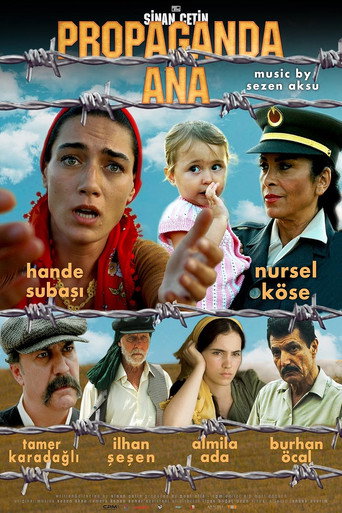
Propaganda Ana
The mother is separated from her child by the change of the country's borders. Will Hayat be able to get back to her mother, or will her remain in the hands of customs director Suna, who wants to have her very much.
Gallery