Serhat Özcan Movies, TV Shows, and Filmography
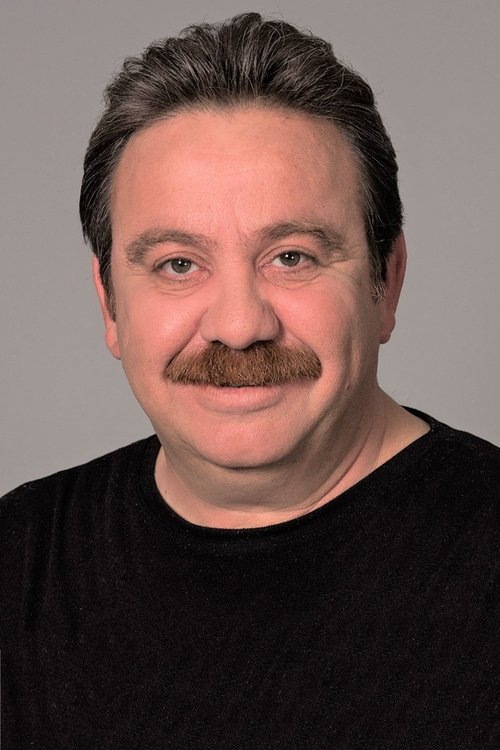
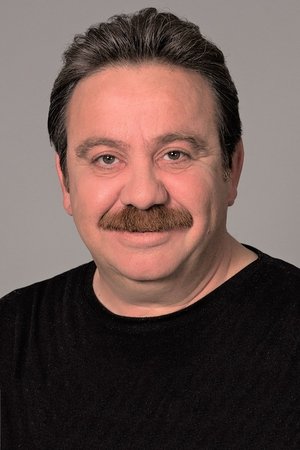
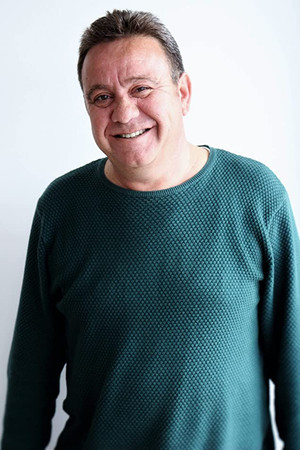
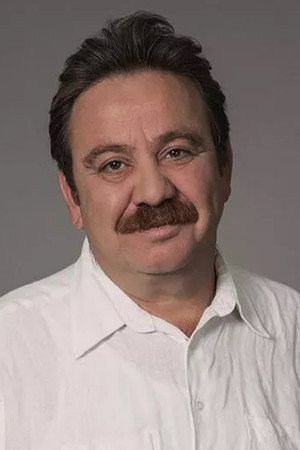
Serhat Özcan
Acting
Biography
No biography available.
Filmography Movies
Acting
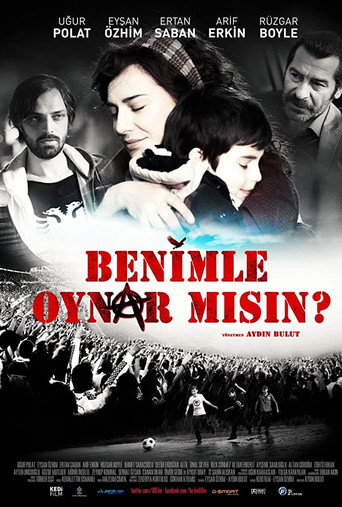
Benimle Oynar mısın?
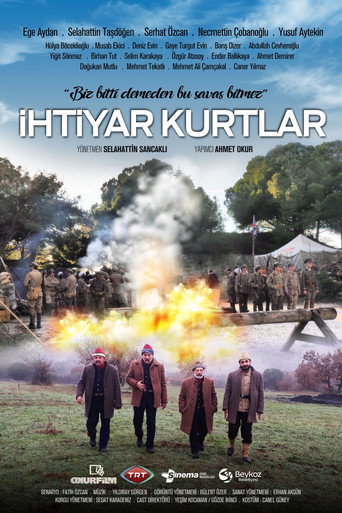
İhtiyar Kurtlar
Four veterans who fought together on the Plevna front during the 1877-1878 Ottoman-Russian War lose their commander in Plevna during a raid. Years later, in 1915, they learn that their commander's nephew, Lieutenant Yusuf, has been taken prisoner in the Battle of Gallipoli. The four elderly men and a disabled young man embark on a prisoner rescue operation.
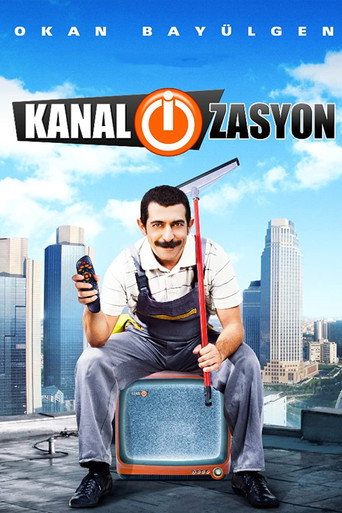
Sewage
Imdat is a poor, uneducated, working class window cleaner who has migrated to the big city. As he cleans the windows of the private TV channel Kanal I, the president of the channel, Berk, discovers that Imdat has an uncanny ability to sense what program will yield the best ratings and what is likely to be panned by audiences, thus Berk begins milking Imdat's unique ability to score ratings. Soon Imdat finds himself replacing the president and leading the TV channel. He goes on to produce some truly tasteless and exploitative programs that enjoy massive ratings, eventually becoming part of the dirty media games himself.
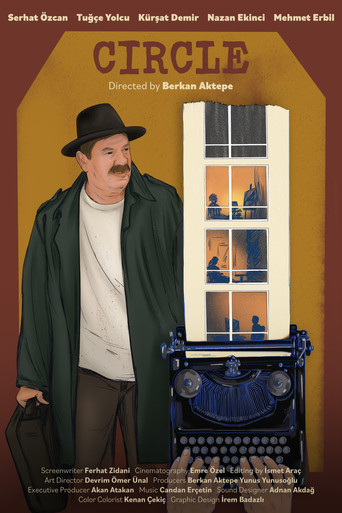
Circle
Depressed writer Aziz, returns to his hometown Antakya years later to confront himself. Over time, Aziz begins to meet and observes his neighbors, who are alienated from themselves and the society, living on the first three floors of the apartment where he lives. As he wanders the streets of Antakya and experiences the sense of belonging, he finds the courage to confront himself. With little touches to the drama of his neighbors, he helps them find themselves too.
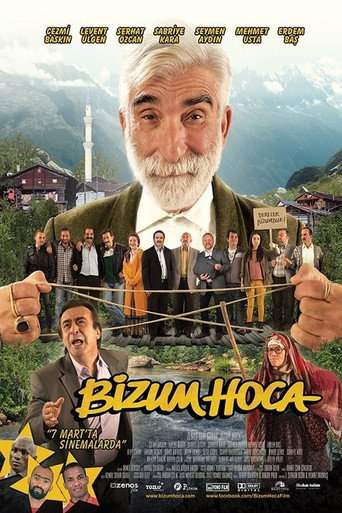
Our Hodja
After the delay of an official imam sent to a little village, the villagers try to find an imam to lead them during pray. After discussions, they decide to make "Bizum Hoca" (Our hodja) the imam of village, a villager loved and respected by everyone, though he is not an official one. Hodja, a different man from stereotype imams, also wants to change some bad habits villagers have. Meanwhile, the construction of one of the hydroelectric power plants (HPP) causing intense discussions in the region, next to a river flowing through the village, becomes a hot issue on the village's agenda. The villagers are against this construction and the fight begins. "Bizum Hoca" finds himself leading the villagers who started the protests.

Vizontele
The story takes place in the small town of Hakkari in Turkey at the beginning of the '70s. The time has come to bring technology to that small town. The first Television (called Visiontele by the citizens) arrives and the chaos begins.
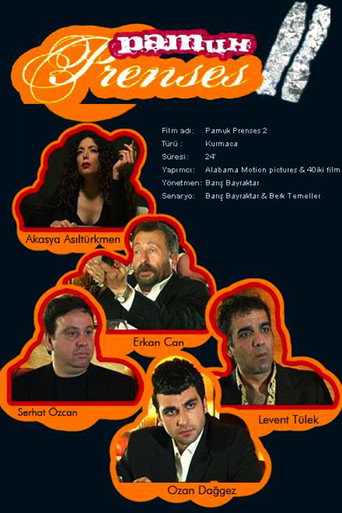
Pamuk Prenses 2
A twisted look at childhood fairy tales with a snatch opeartion underway against a drug dealer.
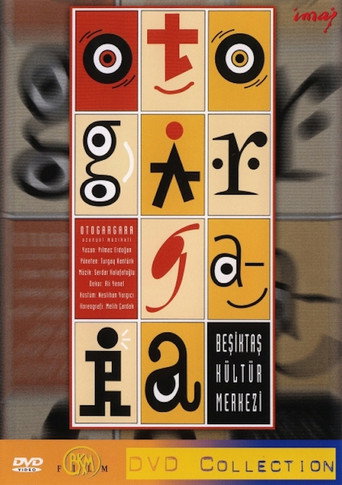
Otogargara
Written by Yılmaz Erdoğan and first staged at the Beşiktaş Cultural Center (BKM) in 1995, Otogargara ran for four seasons to sold-out audiences. The play was also performed 468 times in many provinces and districts of Anatolia between 1995 and 1999, in addition to Ankara and İzmir. During its run at BKM, Otogargara was directed by Turgay Kantürk and featured Yılmaz Erdoğan, Demet Akbağ, Sinan Bengier, Olgun Şimşek, Zerrin Sümer, Erdoğan Dikmen, Gürdal Tosun, Evrim Solmaz, and Serhat Özcan, along with 22 other actors and dancers. It was the first play produced by BKM.

Çalsın Sazlar
"Çalsin Sazlar" tells the story of two friends, both dreamers and easy going, who fall in love with the same girl and the resulting relationships involving passion, conflict and friendship from a fun yet naively sorrow perspective. Encompassing the tragic lives of three characters and enriched by the various depths in each of their lives, this fiction portrays a love story using a "different" approach for Turkish cinema.
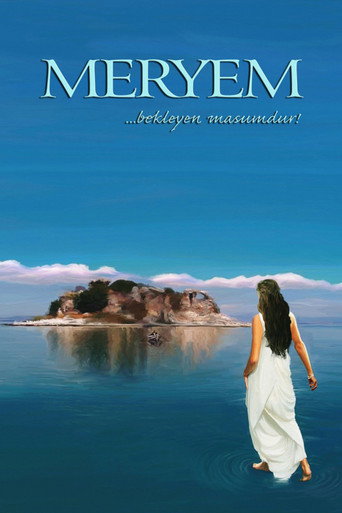
Meryem
Meryem, a young woman of 18, has been married for 18 months. But after six days of marriage, her husband left for Istanbul and hasn't reappeared since. As the days turn into weeks and months, Meryem longs for Mustafa and a settled married life, but she doesn't give up hope.
Gallery