Acting
No biography available.
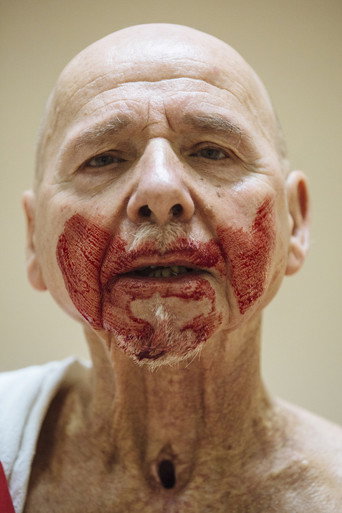
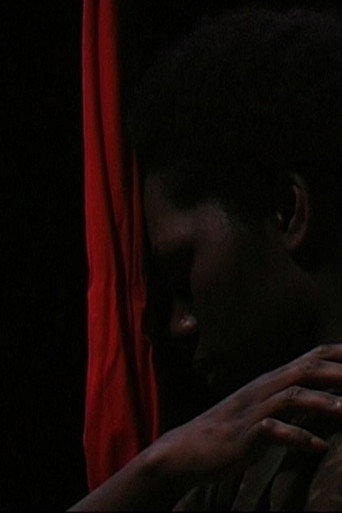
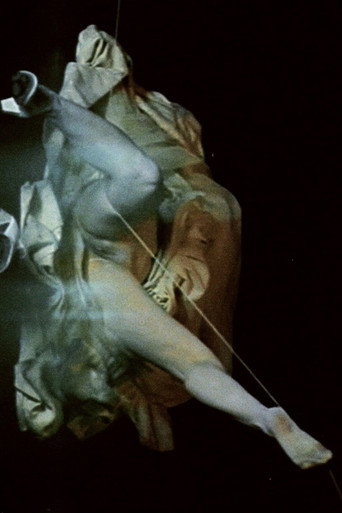
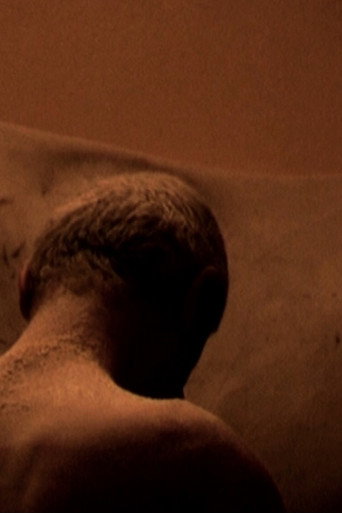
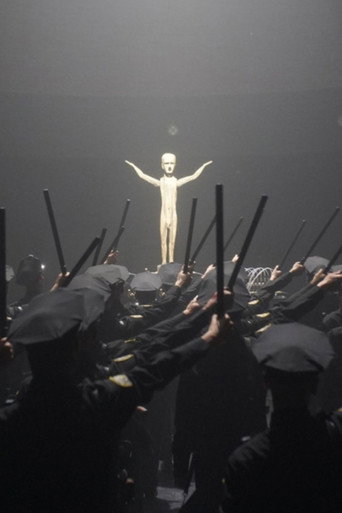
Famed Italian director Romeo Castellucci re-envisions his groundbreaking 1997 production Giulio Cesare (Julius Caesar) as a series of “fragments” rearranged and positioned against each other—a clash between the ethereal and the obscure, the power of rhetoric and language stripped to its source.
The man who goes through purgatory – the “song of the earth” – is a curious being, constantly stopped by the concrete nature of the things and objects that surround him, in a depiction of his own life. This material occupies him, blocks his way, attaches him and often torments him. It bears witness to what exactly purgatory is to Romeo Castellucci: human life in its daily repetition, familiarity with everyday tasks, the trap of routine, the experience of the ordinary body, encounters with the finished world, known nature, the substances of life.
In an environment coloured with talcum powder, the Soldiers of Conception escort a Child-Judge as he walks backwards across the set. When he bumps into the Tables of the Law, reality is overturned and all interiors becomes exterior.
Mussolini is surrounded by pictures torn from a history-generated dream which gradually merge into everyday reality. Harlequin is the servant of two masters. The permanence of the clergy in the Eternal City is placed under a great bell which swings without a clapper.
Le Maillon Théatre is a huge pavilion originally built for international exhibitions. A number of people are present, but nothing happens. Something may happen outside, on the other side of the window which separates the theatre from the car park, but inside the theatre, everyone is lost.
A human figure dressed as a woman is anatomically exposed by means of a series of photographic poses. The show is seeped from beginning to end in darkness, an allusion to the photographic negative.
A nightmare which envelops the everyday tranquility of domestic life, turning it into a tragedy. Confusion between man, animal and God.