Production
No biography available.
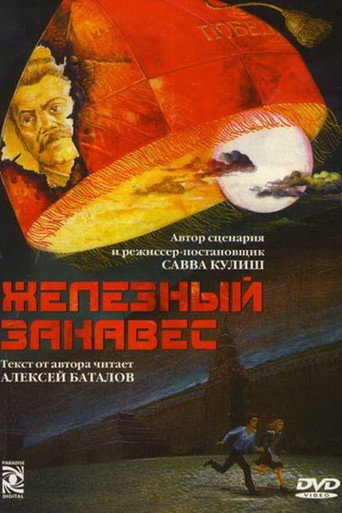
1947 ... The Savchenko family returns to Moscow from evacuation - husband and wife with Kostya's little son. They settle with Grandma Kostya in a huge communal apartment. Street meets the boy with a flock of local boys. Then there were: the division of the territory with the "Sretensky"; trophy movie “Girl of my dreams”; a school with separate education, camp discipline and essays about the border guard Karatsyup. And the monetary reform of 1947, when all of their savings depreciated in an instant, and the boys let out boats from banknotes in puddles.
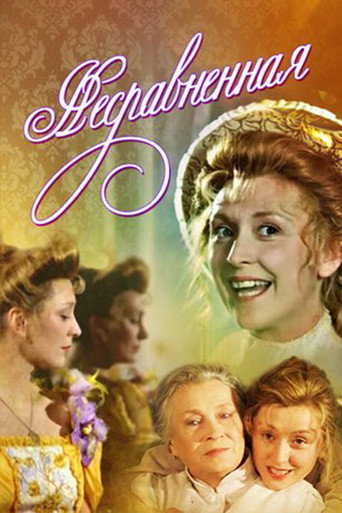
Anastasia Dmitrievna Vyaltseva, who performed on the opera stage, was called "incomparable" during her lifetime. Obsessed with the desire to sing, the young provincial woman arrived in St. Petersburg, joined the troupe of the musical theater of the entrepreneur Arkady Palma, married the patron of the arts Nikolai Kholev, and soon gave her first concerts. The first success, the first triumphant tour of Russia and the first losses. Her husband dies, the Russo-Japanese war begins, she goes to the front and will do everything that is the responsibility of a sister of mercy.
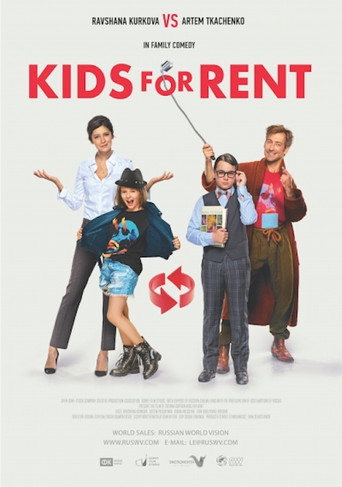
A parents struggling with their children suddenly get an advise for psychologist - to exchange the kids...
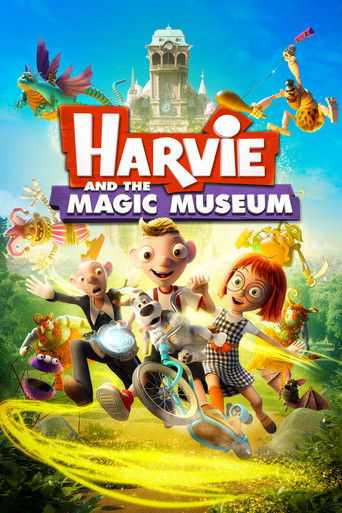
Harvie is a smart but a bit too lively boy with one ambition, to finish the last level of his computer game. Once in the Gamers Hall of Fame, his absent-minded father, would finally be proud of him. But finishing the game turns out to be only the start of a real adventure that takes Harvie, his dog Jerry, and his friend Monica deep into the forgotten realms of the city's old puppet museum.
The history of Russian animated films.
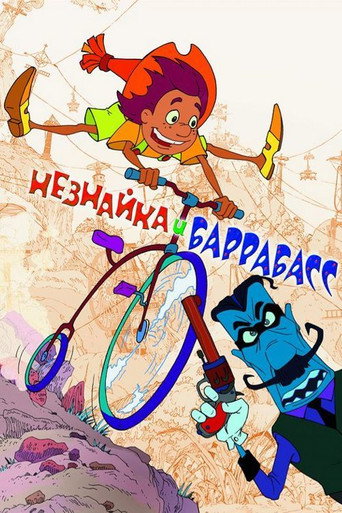
In 1901, a young elf matches wits with a masked villain in an animated adventure set in a world of mechanical air ships, classic automobiles, and other curious inventions.
A grandfather tells his grandson a bedtime story about the ancient Narts.
The story is about a pair of old romantic socks who dreamed of flying like birds. Socks were thrown out of the window when life became unbearable, and went wandering the streets. Fate scattered them to different parts of the Big City, and they turned into ragged, unnecessary rags. The socks sought refuge, and finally met in their native entrance.
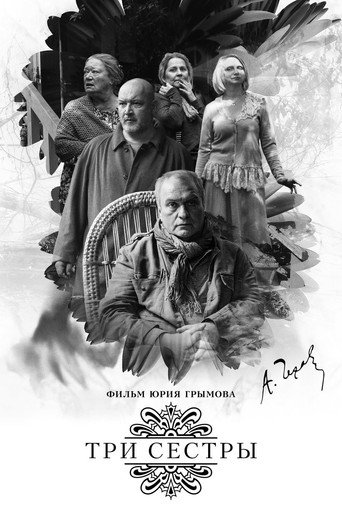
Preserving the text of the play, the amazing dialogues, the brilliant characters, we have transposed the action into today’s Russian provinces and changed only one thing: the age of the heroes. In Anton Chekhov’s play the heroines are aged around 25; now they are 55. What does that do? The heroes’ retorts, stylistically inappropriate from today’s twenty-year-olds, are absolutely organic for the older generation, the ‘Soviet’ intelligentsia. The problems of Chekhov’s classical work concerning the search for a meaning in life, the loss of ideals, the fear before death without having achieved anything in the world, the desire to be useful to others – all these things are also a typical attribute of the Soviet intelligentsia.
A young man joins a heist group that has previously robbed him.
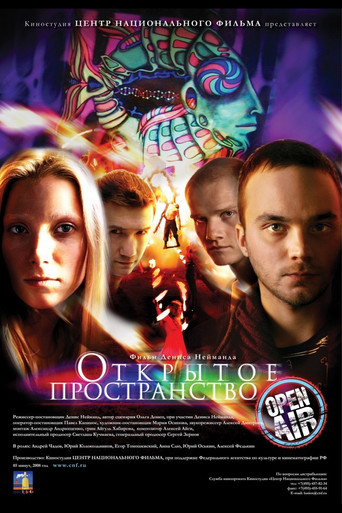
Three young people find themselves stranded in the taiga without any means of subsistence and, most importantly, without "vint"—a drug without which they cannot imagine their lives. This forced journey through the taiga becomes for each of them a struggle to overcome the terrible power of "vint," to overcome their hatred of life, their past, and themselves... Only one of the heroes manages to emerge from this ordeal. The taiga took away from him the most precious things – his friends and his faith in his father – but gave him something else in return: a new life. Without vint.