Acting
No biography available.
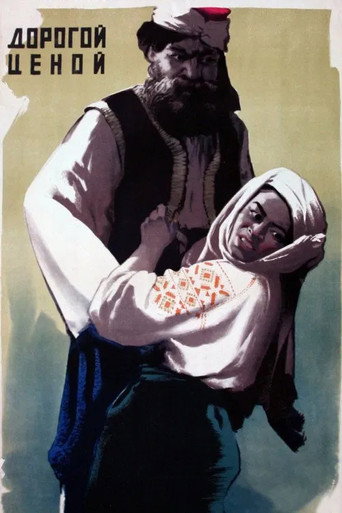
An adaptation of a story by a Ukrainian writer Mykhailo Kotsiubynsky that anticipates the Ukrainian "poetic cinema" of the '60s in its focus on star-crossed lovers and its celebration of nature. Set in the 1830s, the film follows two lovers on the run - a girl forced into marriage and her boyfriend, a serf who's being sought by the authorities - as they try to make their way to freedom.
An adaptation of Olga Frosh's novel about the life of Mihail Beideman.
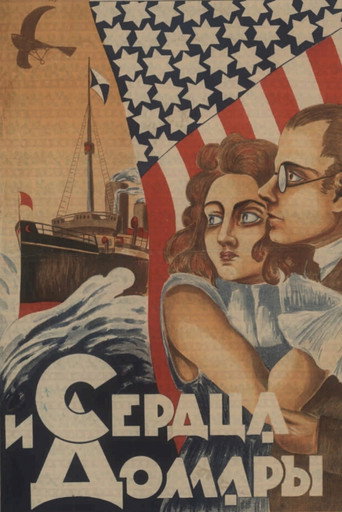
The NEP era. Two families with the same surname, Ivanov, live in Leningrad. They are visited by American relatives, who turn out to be confused. Ivanov the draughtsman's unsuccessful plan to rob the American is replaced by cooperation, as a result of which the American finds a job at Volkhovstroy and decides to stay in the USSR.
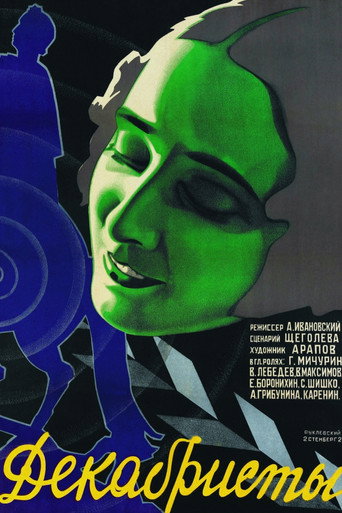
The film recreates episodes from the December Uprising of 1825. Against the backdrop of the uprising, a love story unfolds between the Decembrist Annenkov and Polina Gebl.
About a miners' strike in pre-revolution Russia after a cave-in and the death of their comrade. Partially lost.
A screen adaptation of excerpts from Jack London's dystopian novel of the same name describing the rise of the Oligarchy (the "Iron Heel") in the United States. The film was meant to be screened during theatre performances performed by the same actors.
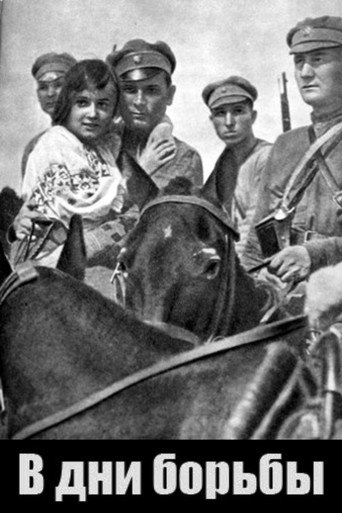
An agit-film about the struggle of Ukrainian peasants against the White Poles. A young woman, the daughter of a blacksmith taken prisoner by the White Poles, and a Red commander organise a partisan unit. One scene depicts the capture of a Polish landowner attempting to elude capture. He had been hiding from the Red Army soldiers in a barrel. The peasants nailed the barrel shut and, having inscribed the words: ‘To Warsaw – to Mr Piłsudski’, threw it into the Dnieper. The role of the Red commander was V.I. Pudovkin’s first film role. The production was carried out by a group of students from the State Film School as part of a competition organised by the All-Union Film and Cinematography Committee (VFK). Lost film.
Partially lost.