Directing
No biography available.
Interviews with Serge Bromberg and Eva Darlan.
Why are we still able, today, to view images that were captured over 125 years ago? As we enter the digital age, audiovisual heritage seems to be a sure and obvious fact. However, much of cinema and our filmed history has been lost forever. Archivists, technicians and filmmakers from different parts of the world explain what audiovisual preservation is and why it is necessary. The documentary is a tribute to all these professionals and their important work.
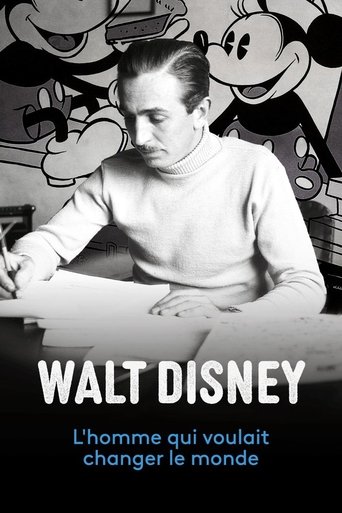
All over the world, millions of children have one thing in common with their parents, grandparents and great-grandparents: they have all watched "Snow White and the 7 Dwarfs", "Bambi" or "Peter Pan", and discovered Walt Disney's view on nature, family, friendship, courage, wickedness or death. But who was this man who affirmed that in order to achieve something extraordinary, one must begin by dreaming it? Portrait of this creator and entrepreneur, who often put himself on stage, in the course of a journey through the meanders of history and the unconscious.
Details the early attempts, what worked, or why it didn't, in the history of adding partial or full colour to films. Includes early film clips to illustrate how most tries appeared to audiences.
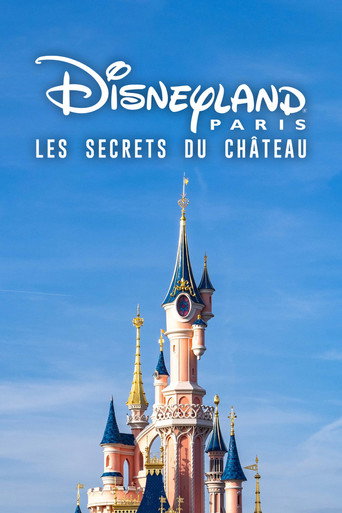
Sleeping Beauty Castle is the iconic landmark of Disneyland Paris. Considered the most beautiful of all the Disneyland parks, it celebrates its 30th anniversary this year. It is the most visited monument in Europe after Notre-Dame Cathedral, attracting 15 million visitors annually. But what is it about Disneyland Paris that fascinates young and old alike? Why have they always loved the famous Sleeping Beauty Castle? In this exclusive documentary, we will reveal all the secrets of this castle. How long did it take to build? Why did Disneyland Paris commission the same craftsmen who restored Notre-Dame Cathedral?
A look back at the life, style and influences of the famed filmmaker Georges Méliès and an examination of his role in the story of "Hugo."
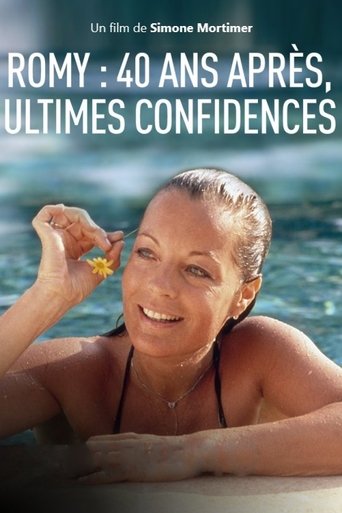
To honour the 40th anniversary of her death, multiple personalities share their feelings and thoughts about the life and career of the fabulous and bold actress Romy Schneider. Among them, Alain Delon, icon of French cinema and Romy's first great love, reads her the love letter which he wrote her forty years ago, the day after she passed away.
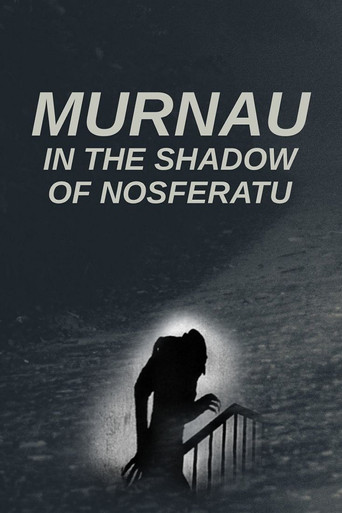
Documentary on the life and work of F.W. Murnau.
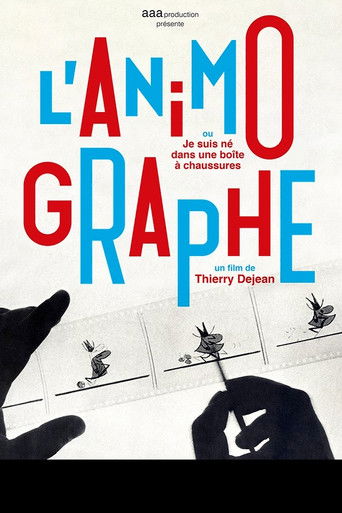
The amazing story of the animograph, a machine created in France in the sixties by the cartoonist and self-taught inventor Jean Dejoux (1922-2015), whose creation was intended to revolutionize the animation industry.
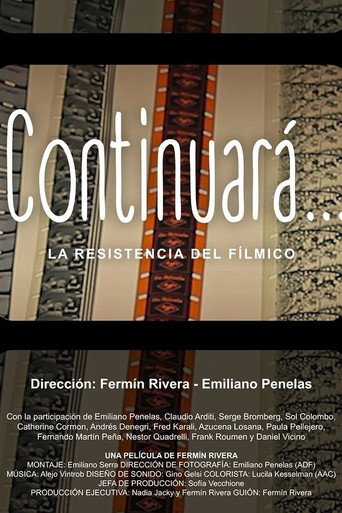
The most transcendent and controversial event since the invention of the seventh art: the disappearance of photographic film. What for many people seems to be simply the result of technological evolution, brings with it paradoxes and contradictions that endanger photographic film heritage and accelerate its deterioration.
Art and science have worked together to allow cinema to switch to color. Numerous processes have succeeded one another to try to solve this difficulty.
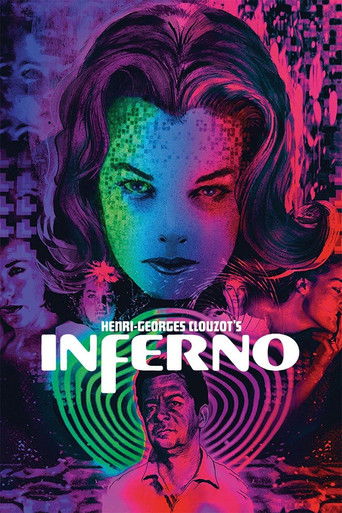
In 1964, Henri-Georges Clouzot's production of L'Enfer came to a halt. Despite huge expectations, major studio backing and an unlimited budget, after three weeks the production collapsed. This documentary presents Inferno's incredible expressionistic original rushes, screen tests, and on-location footage, whilst also reconstructing Clouzot's original vision, and shedding light on the ill-fated endeavor through interviews, dramatizations of unfilmed scenes, and Clouzot's own notes.
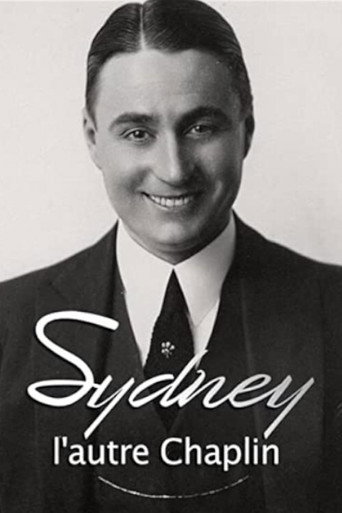
Since his debut in 1914, Charles Chaplin has never ceased to amaze. But surely, Charles would have never reached such heights if it weren't for his big brother Sydney, an improbable character of the shadows with a fiction-like destiny.
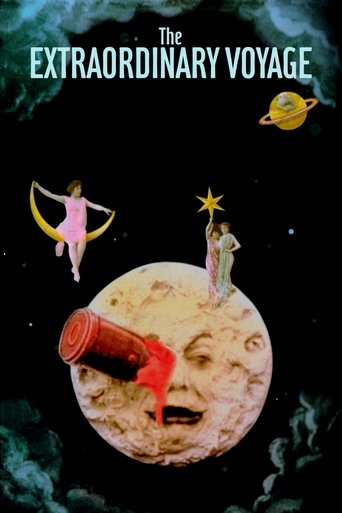
An account of the extraordinary life of film pioneer Georges Méliès (1861-1938) and the amazing story of the copy in color of his masterpiece A Trip to the Moon (1902), unexpectedly found in Spain and restored thanks to the heroic efforts of a group of true cinema lovers.
In 1928, as the talkies threw the film industry and film language into turmoil, Chaplin decided that his Tramp character would not be heard. City Lights would not be a talking picture, but it would have a soundtrack. Chaplin personally composed a musical score and sound effects for the picture. With Peter Lord, the famous co-creator of Chicken Run and Wallace & Gromit, we see how Chaplin became the king of slapstick comedy and the superstar of the movies.
Over one hundred years of dreams through cinema, Eric Lange and Serge Bromberg tell the story of the history of color on the screen.
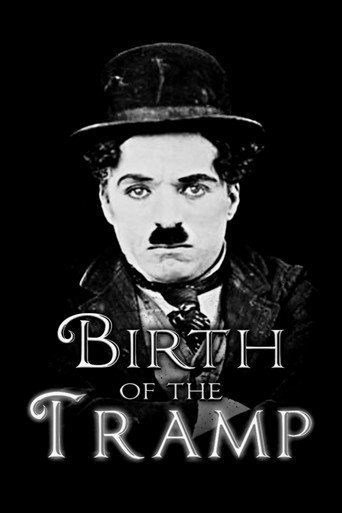
A look back at Charlie Chaplin's early life and career, from his rough childhood and music hall success in England to his early Hollywood days and the development of his enormously popular character, the Little Tramp, also called Charlot.
It's Christmas night. While the world is sleeping, a young child decides to get up just before midnight to try to see Santa Claus depositing the presents at the foot of the tree. But that is not his surprise when he enters the living room and finds that the old man with the white beard has already passed, the presents surrounding the conifer. It is then that Bis-Bis, the little robot who repeats everything twice, even his name, comes out of his package. For a few minutes, he will have fun with the child and the other toys ...