Senkichi Taniguchi Movies, TV Shows, and Filmography
Senkichi Taniguchi
Directing
Biography
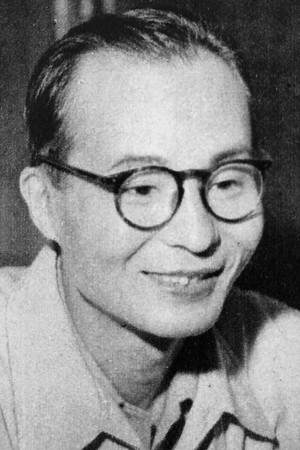
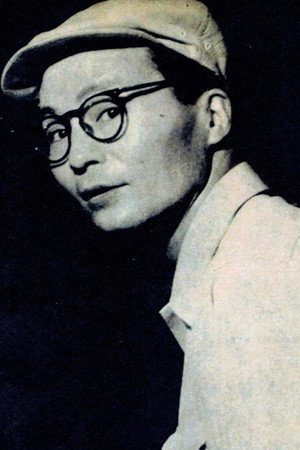
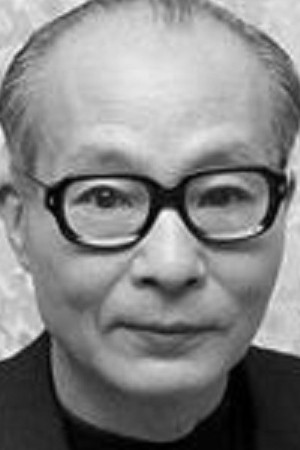
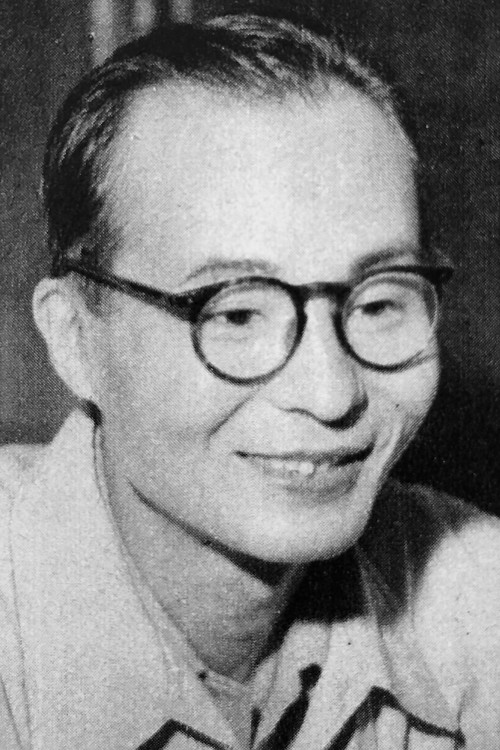
From Wikipedia, the free encyclopedia. Senkichi Taniguchi (February 19, 1912 – October 29, 2007) was a Japanese film director and screenwriter. Born in Tokyo, Japan, he attended Waseda University but left before graduating due to his involvement in a left-wing theater troupe. He joined P.C.L. (a precursor to Toho) in 1933 and began working as an assistant director to Kajirō Yamaguchi alongside his longtime friend, acclaimed Japanese filmmaker, Akira Kurosawa. He made his feature film directing debut in 1947 with Snow Trail, which was written by Kurosawa. Snow Trial starred Toshirō Mifune in his film debut and actress Setsuko Wakayama. It helped establish Taniguchi's reputation for action film. Taniguchi and Wakayama married in 1949 (he had earlier been married to the screenwriter Yōko Mizuki), but the couple divorced in 1956. Taniguchi married his second wife, actress Kaoru Yachigusa, in 1957. Yachigusa and Taniguchi remained together for over fifty years until his death in 2007. Taniguchi was the screenwriter for the 1949 film, The Quiet Duel, which Kurosawa directed and which also starred Mifune. His most acclaimed film as a director was Escape at Dawn, a controversial anti-war work from 1950 about a Japanese soldier and a "comfort woman" that got into trouble with Occupation era censors. Taniguchi continued to direct movies throughout the 1950s and 1960s, but the quality of his work declined. His films from the time period include Man Against Man, The Gambling Samurai, Man In The Storm and The Lost World of Sinbad. His 1965 film International Secret Police: Key of Keys has been famously re-dubbed and re-released as What's Up, Tiger Lily? by Woody Allen. He was chosen as the supervising director of the official documentary of Expo '70. Senkichi Taniguchi died of pneumonia at a hospital in Tokyo, Japan, on October 29, 2007, at the age of 95. Description above from the Wikipedia article Senkichi Taniguchi, licensed under CC-BY-SA, full list of contributors on Wikipedia
Filmography Movies
Acting
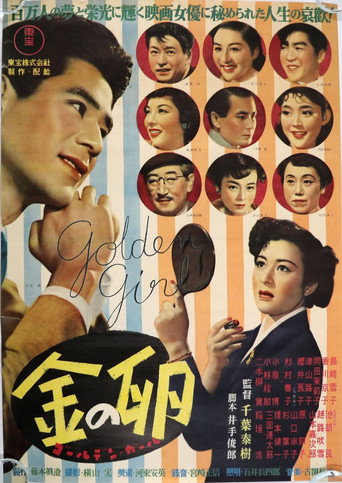
Kin no tamago: Golden Girl
Once an average and seemingly ordinary Tokyo girl, she suddenly finds herself as a TV star owing to her discovery by a casting company, which noticed photographs that her cousin had sent. When another actress falls ill she is given the role instead. Her first film is a success propelling the young actress to popularity, her own fans, money and a house. While everything looks dandy from the outside not all is well within the family however.
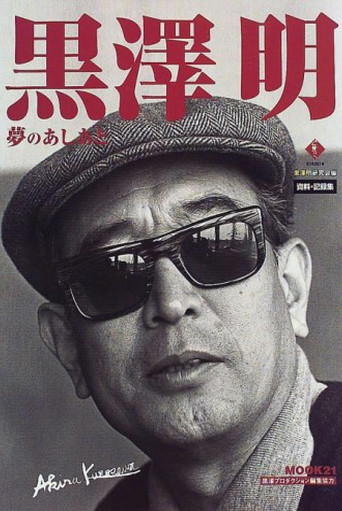
Kurosawa: The Last Emperor
A profile and history of film director Akira Kurosawa.
Production
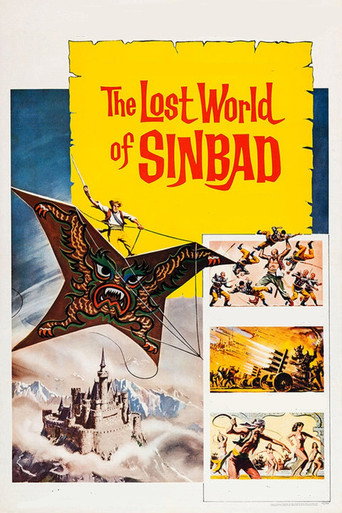
Samurai Pirate
An adventurous and daring sailor sets sail to the castle of an ailing king to stop an evil premier, hungry for power and wealth, from succeeding the throne and marrying the king's beautiful daughter. Along the way, with the help of some courageous rebels and a lustful wizard, he must overcome the powers of a bewitching witch, a band of ruthless pirates, and the castle's Imperial guards. He must also free those kidnapped into slavery and restore the king's reputation.
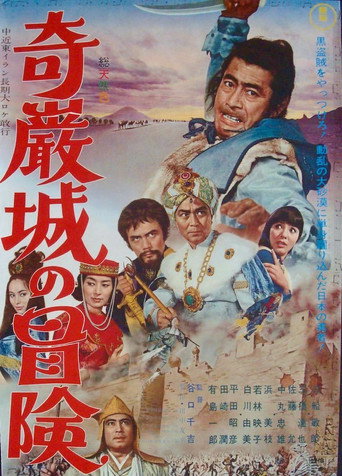
Adventure in Kigan Castle
Osami, a soldier-of-fortune from Japan, joins with priest Ensai in a quest for the ashes of the great Buddha. Their journey takes them to a kingdom in the Middle East, where they find intrigue and romance in the court of an evil king.
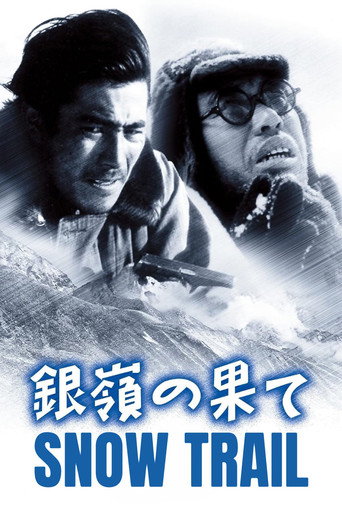
Snow Trail
Three bank robbers, Eijima, Nojiri, and Takasugi, flee the police and escape into the mountains. At an inn high in the Japanese Alps, Eijima and Nojiri encounter a young woman and her father, as well as Honda, a mountaineer. The inn folk do not realize their guests are wanted criminals and the visitors are treated with great kindness. Honda volunteers to lead them over the mountains, but Eijima's paranoia endangers all of them as they make the perilous trip.
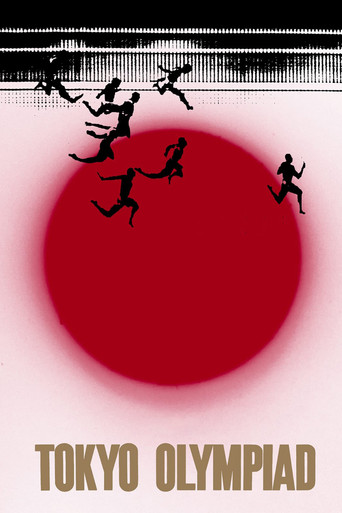
Tokyo Olympiad
This impressionistic portrait of the 1964 Tokyo Summer Olympics pays as much attention to the crowds and workers as it does to the actual competitive events. Highlights include an epic pole-vaulting match between West Germany and America, and the final marathon race through Tokyo's streets. Two athletes are highlighted: Ethiopian marathon runner Abebe Bikila, who receives his second gold medal, and runner Ahamed Isa from Chad, representing a country younger than he is.
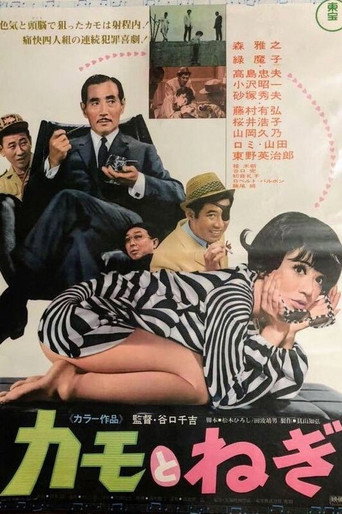
Wild Ducks and Green Onions
The four-member con group, including the intellectual boss Nobukichi Ishiguro (Masayuki Mori), who is called an "aristocrat con man" for his elegant appearance; the amorous Kyuhei Maruki (Tadao Takashima); the inventive Yosuke Mori (Hideo Sunatsuka); and the amorous Mami (Mako Midori), set one bizarre trap after another in their quest for the perfect crime in this wry crime comedy.
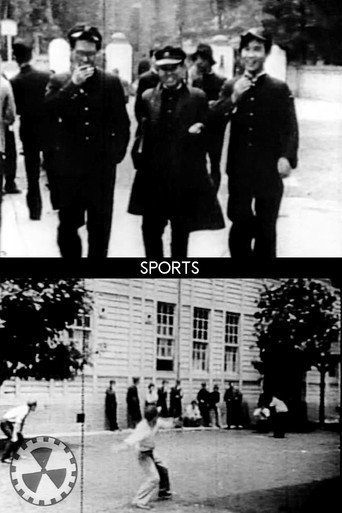
Sports
The film is about a protest provoked when the university decided to restrict access to sports facilities to athletes, cutting out all other students. This is, strictly speaking, not a Prokino film. It was produced by the Waseda University Film Circle, which was organized by Kawazoe Shiro. Feature film directors Yamamoto Satsuo and Taniguchi Senkichi were apparently students at Waseda at the time and participated in the production.
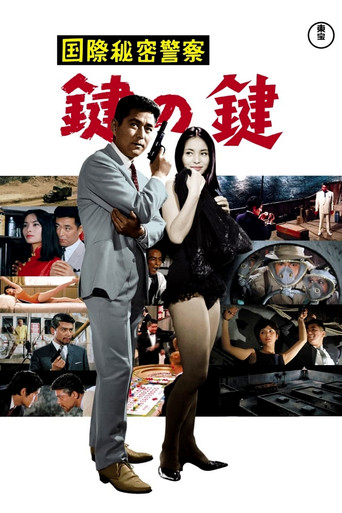
Key of Keys
Intelligence director Suritai asks agent Kitami to steal money from anti-government guerrillas.
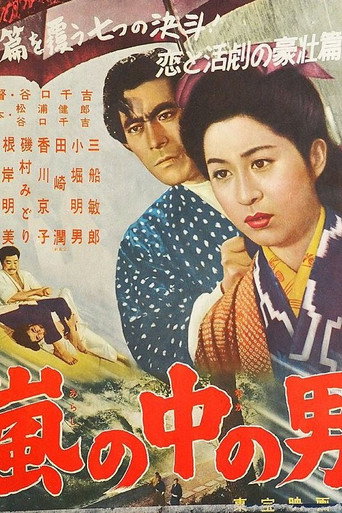
A Man in the Storm
Judo expert Saburô Watari fights his judo master, Tsujido, while simultaneously in conflict with a karate expert.
A Man in the Storm
Judo expert Saburô Watari fights his judo master, Tsujido, while simultaneously in conflict with a karate expert.
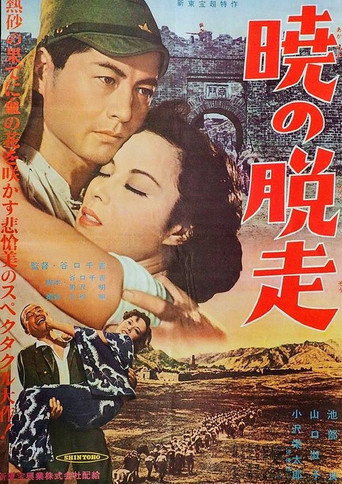
Escape at Dawn
Mikami, a Japanese soldier, is captured by Chinese forces. Although able to escape, he is treated with contempt by his peers. After falling in love with a prostitute named Harumi, she convinces him to desert the army and live with her.
Gallery