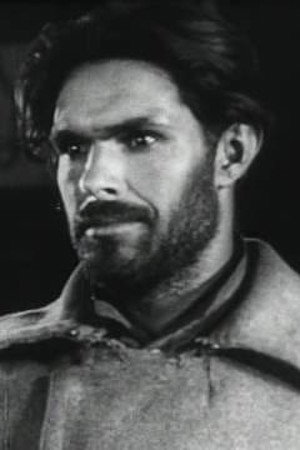
Semen Svashenko Movies, TV Shows, and Filmography
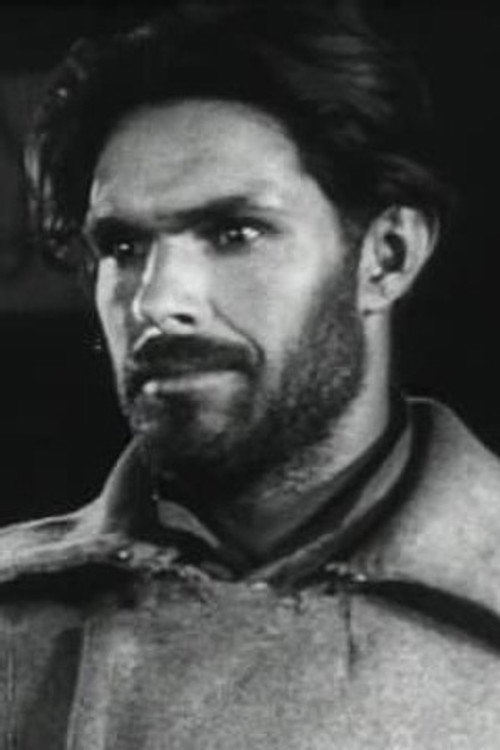
Semen Svashenko
Acting
Biography
No biography available.
Filmography Movies
Acting
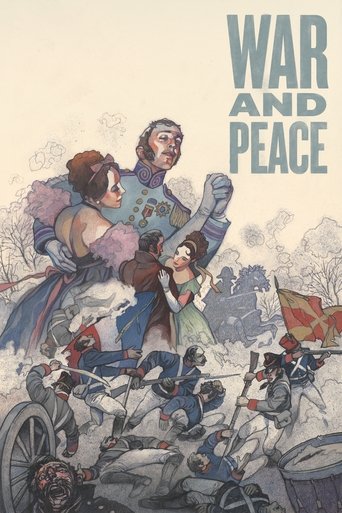
War and Peace
The love story of young Countess Natasha Rostova and Count Pierre Bezukhov is interwoven with the Great Patriotic War of 1812 against Napoleon's invading army.
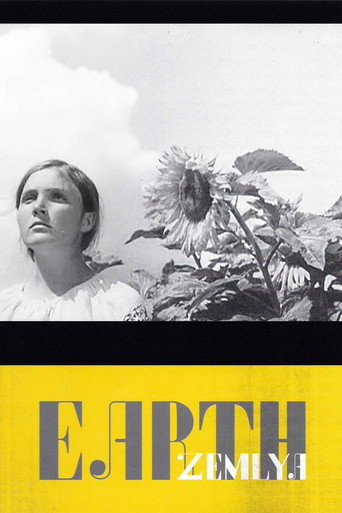
Earth
The film tells about the creation of the first collective farm communes and class enmity. Vasyl, a member of the Komsomol, with the help of a local party organization, gets a tractor and plows private boundaries "on kulak fields." However, this enthusiasm will cost him dearly.
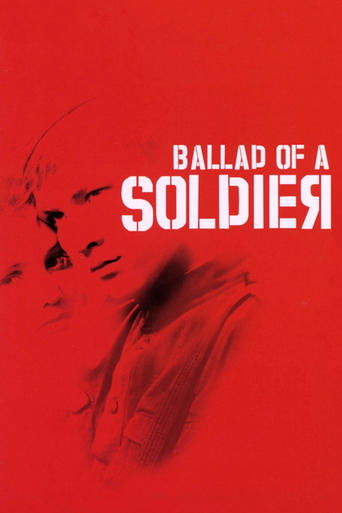
Ballad of a Soldier
During World War II, earnest young Russian soldier Alyosha Skvortsov is rewarded with a short leave of absence for performing a heroic deed on the battlefield. Feeling homesick, he decides to visit his mother. Due to his kindhearted nature, however, Alyosha is repeatedly sidetracked by his efforts to help those he encounters, including a lovely girl named Shura. In his tour of a country devastated by war, he struggles to keep hope alive.
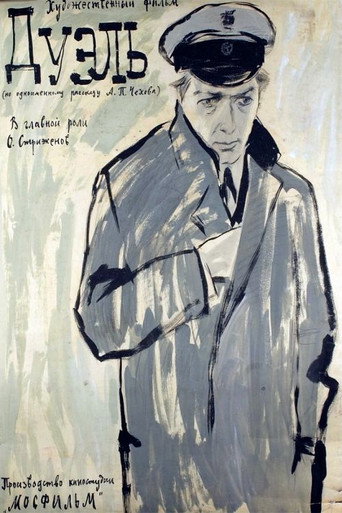
Duel
Tormented by the worthlessness and boredom of life, the official Laevsky longs to break the vicious circle of his existence at any cost. His moral antipode, the naturalist Von Koren, is convinced that people like Laevsky are worthy of destruction. But, contrary to the wishes and will of the heroes, providence decides their fates in its own way.
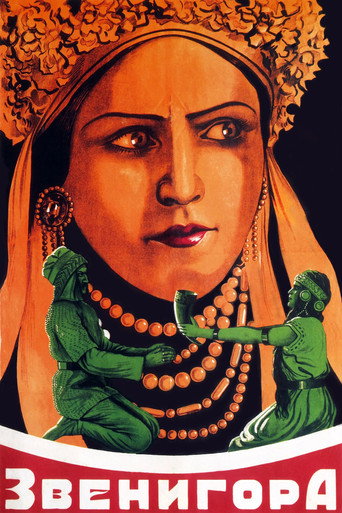
Zvenyhora
The momentous film stars Mykola Nademskyi as the grandfather of Tymish, whom he alerts to the secret treasure buried in the mountains of Zvenygora – a treasure that rightfully belongs to his homeland. The film wonderfully blends both lyricism and politics and uses its central construct to build a montage praising Ukrainian industrialization, attacking the bourgeoisie, celebrating the beauty of the Ukrainian steppe and retelling ancient folklore. Sergei Eisenstein said of the film, "As the lights went on, we felt that we had just witnessed a memorable event in the development of the cinema".
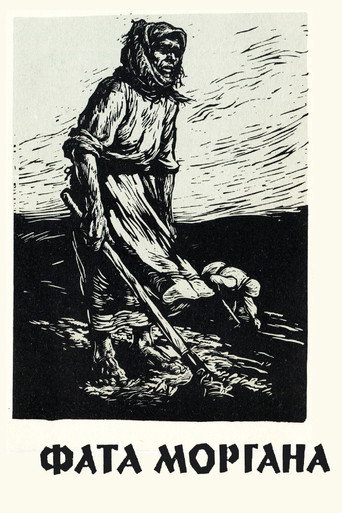
Fata Morgana
Based on the Mykhailo Kotsiubynskyi’s novel. At the distillery farmers begin to strike. Local rich men without punitive detachment begin reprisals from rebels. Punitive detachment of dragoons, who called from the city, only completes the massacre.
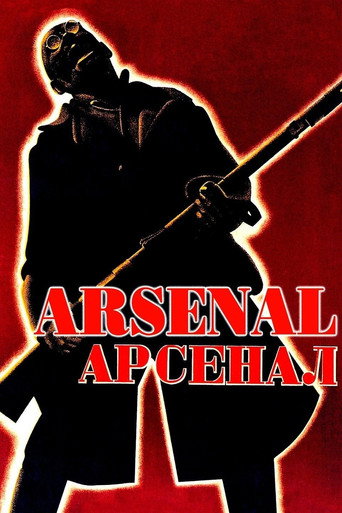
Arsenal
A soldier returns to Kyiv after surviving a train crash and encounters clashes between nationalists and collectivists. The story of the suppression of the Bolshevik uprising at the Arsenal factory in Kyiv by the Central Council troops.
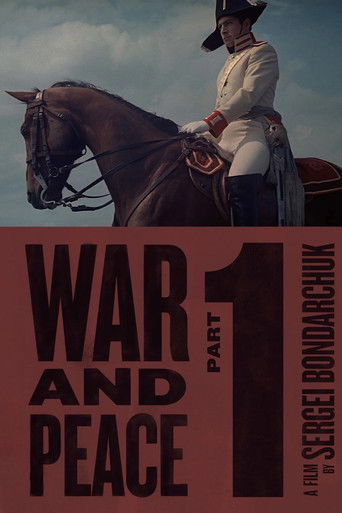
War and Peace, Part I: Andrei Bolkonsky
In 1805 St. Petersburg, Pierre Bezukhov, illegitimate son of a rich nobleman, is introduced to high society. His friend, Prince Andrei Bolkonsky, joins the Imperial Russian Army as aide-de-camp of General Mikhail Kutuzov in the War of the Third Coalition against General Napoleon Bonaparte. Part one of the four-part adaptation of Leo Tolstoy's 1869 novel.
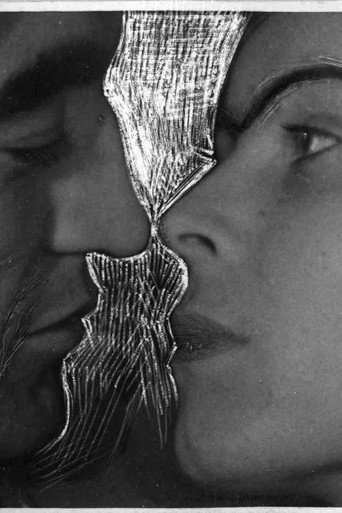
Dokhunda
The screen adaptation of the novel by Tadjik writer Sadriddine Aini, telling the story of a tramp who falls in love with a rich girl, was supposed to become the first full-length feature film in Central Asian film history. But the unfinished Dokhunda was banned by the Soviet authorities when film production was already in full swing. No footage survived. This is why Izvolov had to rely on Lev Kuleshov’s draft to study and appreciate the maestro’s vision and the unique aesthetic concept, which was never to be realised during Kuleshov’s lifetime.
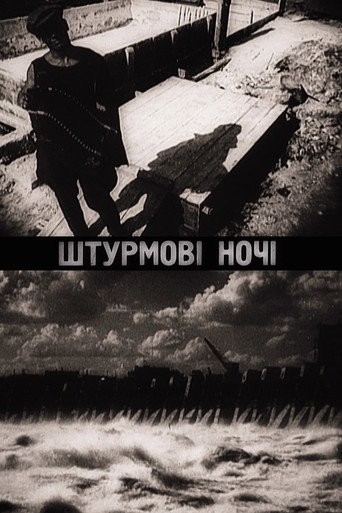
Night Raids
A peasant visits the DneproGES construction. Agitprop film about industrialisation and Dnieper Hydroelectric Station construction.
Gallery