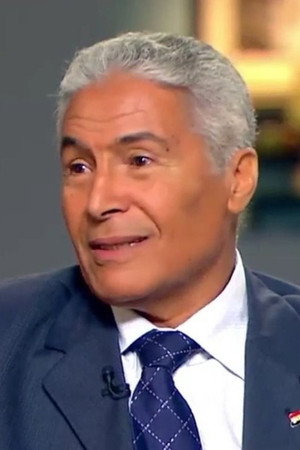
Seif Abdelrahman Movies, TV Shows, and Filmography
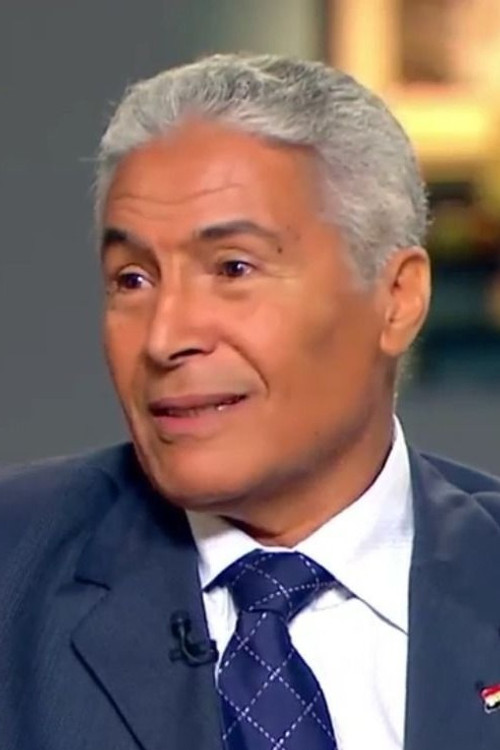
Seif Abdelrahman
Acting
Biography
Seif Abdelrahman is an Egyptian actor born on March 17, 1942. He graduated from History Department in the Faculty of Arts. At the beginning of his career, he acted with the National Troupe for Popular Arts. Youssef Chahine discovered Seif during the 1960s and casted him in the film Dawn Of a New Day (1964). Afterwards, he appeared in a number of Chahine's works including The Choice (1971), The Sparrow (1972), Alexandria...Why? (1979), An Egyptian Story (1982), Destiny (1997), and more of his films. Abdelrahman was also in Yousry Nasrallah's Summer Thefts (1988) and Mercedes (1993).
Filmography Movies
Acting
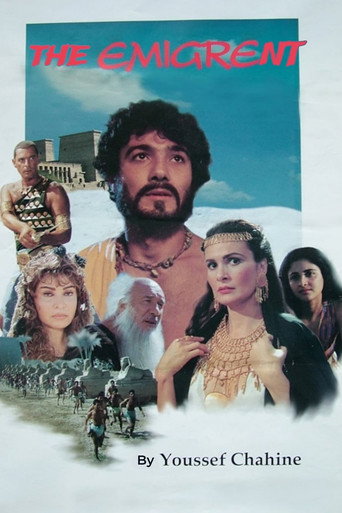
The Emigrant
The biblical tale of Joseph is told from an Egyptian perspective in this interesting character study. In this film, Joseph is called Ram. Ram, tired of his family's backward superstitious life, and tired of being picked on by his brothers, wants to go to Egypt to study agriculture. His brothers travel with him across Sinai, but then suddenly sell him to Ozir, an Egyptian who works for a Theban military leader, Amihar. Amihar is impressed by Ram's drive and personal charm and so grants Ram some desolate land outside the capital. Ram soon finds himself a pawn in the political and sexual games between Amihar and his wife Simihit, a high priestess of the Cult of Amun.
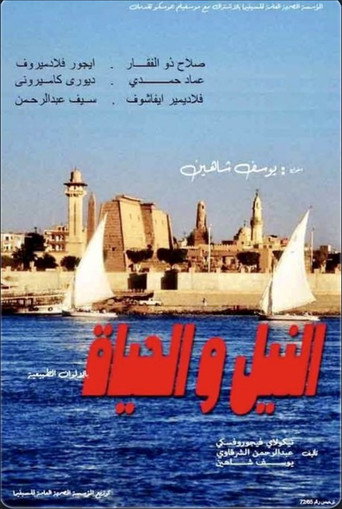
The Nile and the Life
Renegotiating the representational paradigm of nationhood the film draws a heterogeneous picture of Egyptian society as well as Soviet workers as they embarked on the momentous dam enterprise. The films presents a vision of a nation deep rooted in unity as well as diversity. The films projection of a renewed imagining of the nation inadvertently acknowledges a new and nuanced understanding of its goals, political objectives, and how these impact the personal within it. (KHOURI)
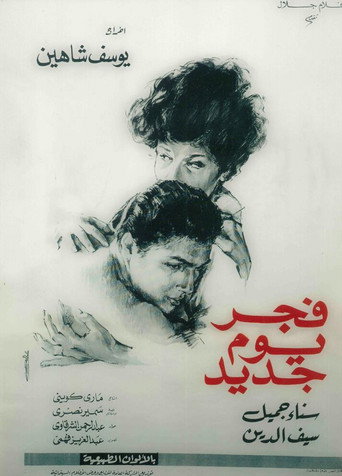
Dawn of a New Day
The story of a 40-year-old married woman who has fallen into idleness and does not know how to approach the revolutionary events in her country. She finds a new meaning in life when she falls in love with an aspiring young student. “I shot FAGR YOM GUEDID in 1964. I count it among my best films and still stand by it completely. It is about the class whose assets were nationalized after the 1952 revolution. I explored the question of whether this class still had a place in Egyptian society.”

Why Does the Sea Laugh
Hussein is in a state of extreme depression because of the boring routine of work and the pressures of life he faces as an employee, husband and brother, decides to escape from the reality of his work and his family, go out to the street without a goal to know the master who provides a place to stay, and while roaming recognize Naima One of the teams roams the streets and falls in love with her.

Journals of a Teenager
Jamila falls in love with Raouf, a handsome young man and a friend of Nancy at first sight, to the extent that she gives herself to him.
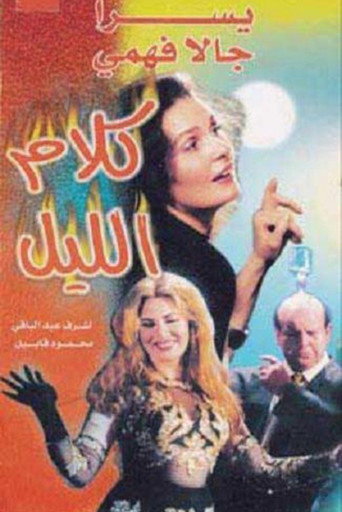
Night Chat
A police detective investigates an apartment in which suspicious businesses are taking place, so he disguises himself to work there and succeeds in identifying both those who frequent the apartment and those who run it.
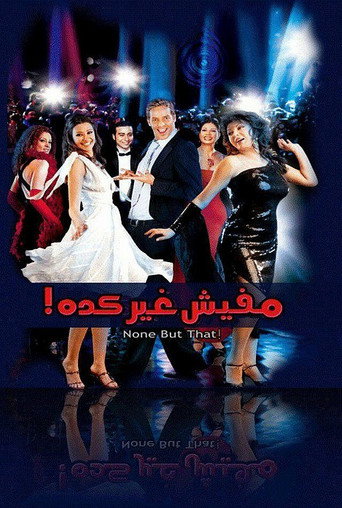
None But That!
"Nahed" (Nabila Ebeid) as the Greedy Mother fight over "Dina" (Arwa) the innocent talent who falls in love with "Nader" (Khaled Abol Naga) as a Music Talent Hunter & Famous icon/Director & shatters her Family apart when she becomes a big success.
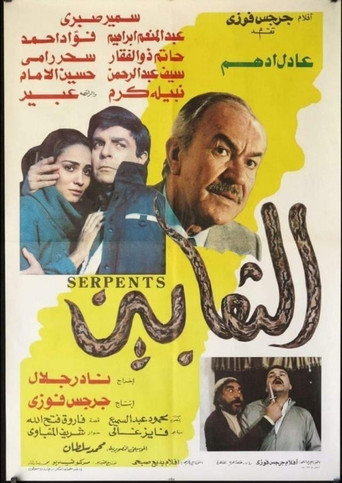
The Snakes
Shedid, a contractor who owns a large company in Alexandria where his brother works, discovers during digging at one of the sites a Pharaonic cemetery. He tries to keep the contents of the cemetery for himself to smuggle it abroad and everyone starts betraying one another out of greed.

The City
Ali, an aspiring actor, works in a government-aided butchery and takes part in a cheap play. Defying his father's wishes, he moves to Paris to fulfill his dreams and starts living illegally alongside many other Arabs. Ali has a life-changing experience there that he won't fully remember until he returns to Egypt.
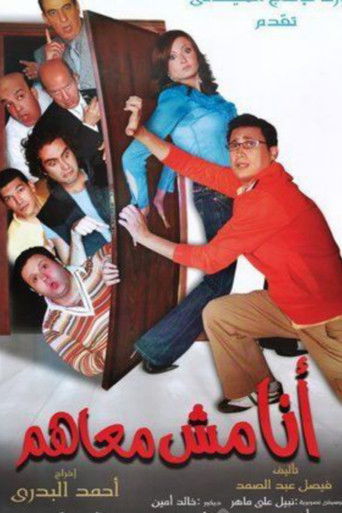
I Am Not With Them
Playboy Amr (Ahmed Eid) studies at the Faculty of Medicine, he lives a careless life between the use of drugs and neglect of study, and then falls in love with fellow religious veiled Farah (Bushra), and tries to woo her by pretending to be religious and then she discovers the truth.
Production
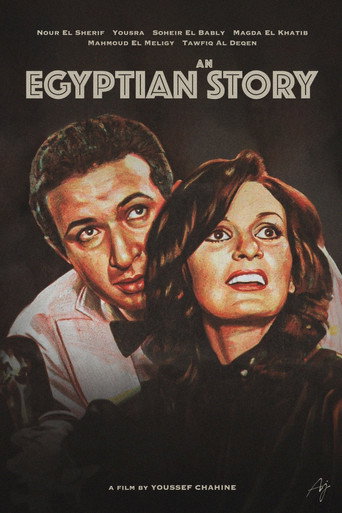
An Egyptian Story
After we last see him in "Alexandria, Why?" Egyptian filmmaker Yehia Mourad is in his thirties, and successful in his work, he has grown distant from his wife and children and suffers a symbolic blockage of the heart while shooting the final scenes of his latest film. After being flown to England for evaluation, it's determined that Yehia must undergo emergency surgery. Fact and fiction blend seamlessly—with healthy doses of cleverly absurdist fantasy—as the film explores the various personalities and forces that have made Yehia (and Youssef Chahine) the man he has become.

Alexandria Again and Forever
Set in 1987 against the backdrop of a hunger strike by the Egyptian film industry, Chahine himself steps in to play Yehia, the famed Egyptian director whose life is chronicled in "Alexandria, Why?" and "An Egyptian Story". Obsessed with Amr, the handsome actor he discovered and cast as his alter-ego in parts one and two of The Alexandria Trilogy, Yehia pressures Amr to star in various film projects that change even as Yehia's perception of the young actor begins to change. He first casts Amr as Hamlet, which the actor deems too demanding for his talents, then as the lead in a musical biopic of demigod Alexander the Great, who founded the city of Alexandria in 332 B.C.
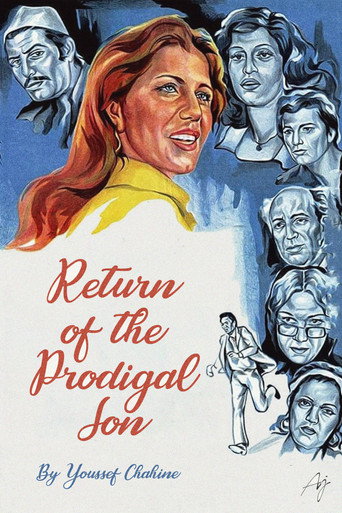
Return of the Prodigal Son
Freed after spending years in prison, an activist's homecoming turns into a dark affair as his disillusion clashes with his family's expectations. Demonstrating Chahine’s eclecticism, this is an elegant melodrama, exuberant musical, layered allegory, and profound portrait of personal and political disillusionment.
Gallery