Directing
No biography available.
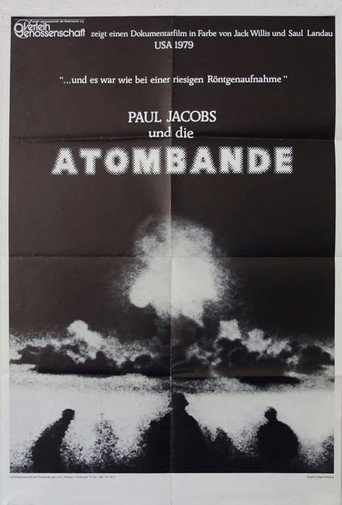
Documentary about the atomic testing done in the desert of Nevada, the health risks it posed to closely involved military personnel, and the lack of transparency from US administrations about its effects on the public at large.
Commissioned by the San Francisco Mime Troupe as a short to be screened during intermission for its rather infamous 1965 Minstrel Show (Civil Rights from the Cracker Barrel), which assaulted racial stereotypes by wildly exaggerating them. Scored by Steve Reich. Preserved by the Academy Film Archive in 2007.
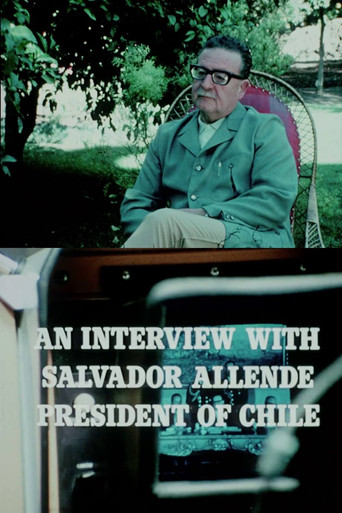
This interview was conducted shortly after the late President Dr. Salvador Allende won the Chilean elections of 1970. Dr. Salvador Allende was the first democratically elected socialist president in Latin America. Three years later, Allende was killed during a coupe lead by General that overthrew the Allende government.
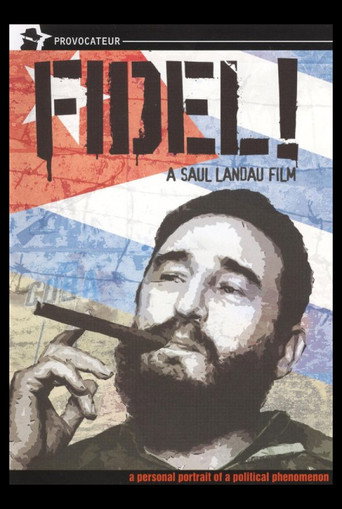
This film provides a unique view of Cuba's leader, containing fascinating archive footage of the Bay of Pigs invasion and scenes of Che Guevara - alongside interviews with political prisoners.
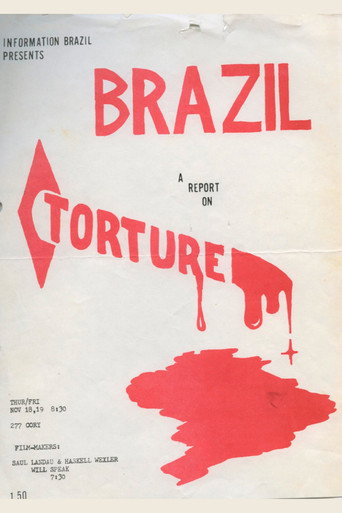
The filmmakers spoke to ex-political prisoners who had been tortured by the military government who were at that point supported by the US government.
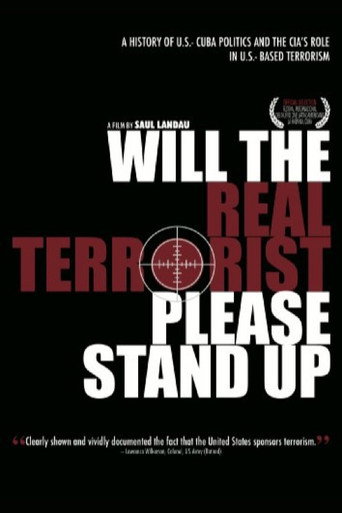
This documentary chronicles half a century of hostile U.S.-Cuba relations. The film highlights decades of assassinations and sabotage at first backed by Washington, then ignored by the very government that launched a "war against terrorism."
Two days before their wedding, Shmulik and Annat have a fight in the midst of a traffic jam when Annat decides to jump out of the car - straight into Mickey's car. The film depicts the relationship that forges between the two strangers, while they both know that time passes and the wedding is just around the corner.
A unique story of a small urban community of Native Hawaiians and the women who championed for their rights to their land against all odds.
Mordant, self-aware, freighted with sensitivity toward Chile’s problem, wary of caricature, disposed toward consciousness of human fallibility, it is a deft blend of fiction and documentary set in the tumultuous days leading up to the election of Salvador Allende in 1970.
A Song for Dead Warriors examines the reasons for the Wounded Knee occupation in the spring of 1973 by Oglala Sioux Indians and members of the American Indian Movement (AIM). The film captures the conflict between AIM, the Sioux militants, the government’s Bureau of Indian Affairs and those allied with the US government.