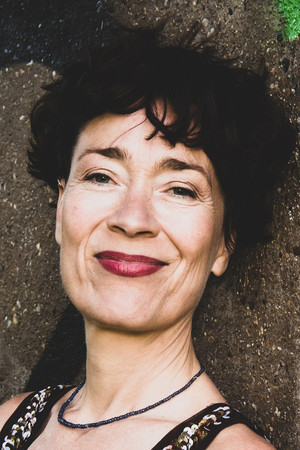
Sascha Ley Movies, TV Shows, and Filmography
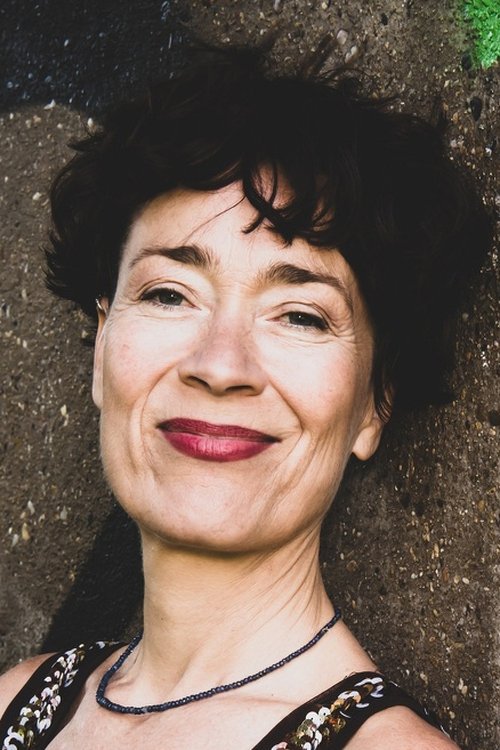
Sascha Ley
Acting
Biography
No biography available.
Filmography Movies
Acting
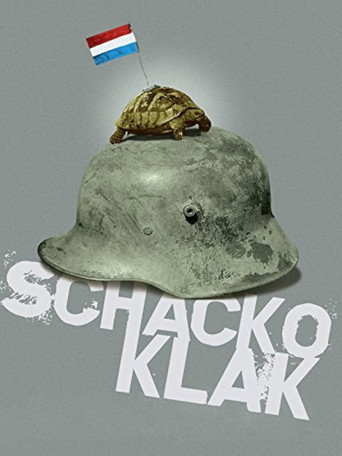
Schacko Klak
The title of the film, set in Luxembourg in 1942, during the Nazi occupation, amalgamates the words Schacko (helmet) and chapeau claque (opera hat). The village, in which it is set, has not yet been feeling the effects of the war at this point.
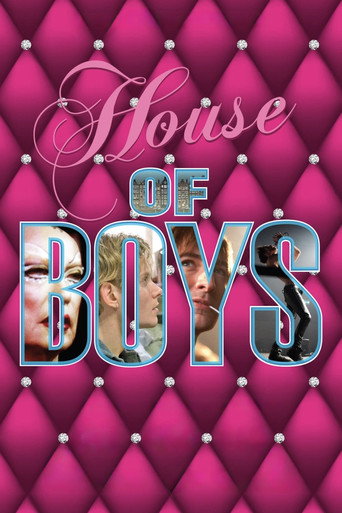
House of Boys
It is 1984. Frank is a determined English teenager who runs away from high school to find an alternative gay lifestyle in Amsterdam. He finds a home and a job at the "House of Boys", a bar-cum-brothel run by a strict Madame who has an eye for what his punters crave. Frank works his way up from barman to on-stage dancer and falls in love with some of his housemates, Jake. The first intimations of what is described as 'the gay cancer', casts a long shadow over Frank's tight-knit group of friends. Yet despite the troubles that cloud the hopes and dreams of young Frank, his perseverance, along with support from a willing doctor, will carry him through.
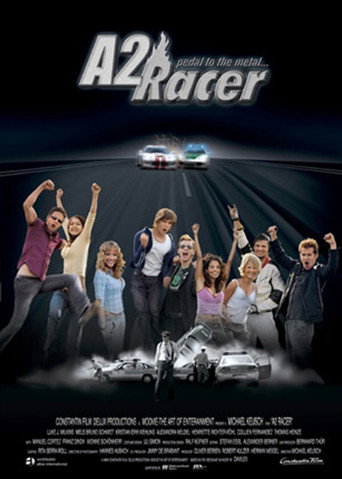
A2 Racer
Junior police constable Karl-Heinz has just been given a telling-off by his boss for allegedly botching a major operation against car thieves. Now he senses an opportunity to rehabilitate himself when a gang of high-flying highway speeders catch his eye during a traffic check. Karl-Heinz decides to go undercover with the gang and gets to know their colorful characters. He soon takes more pleasure in the illegal speeding than is good for his health and career.
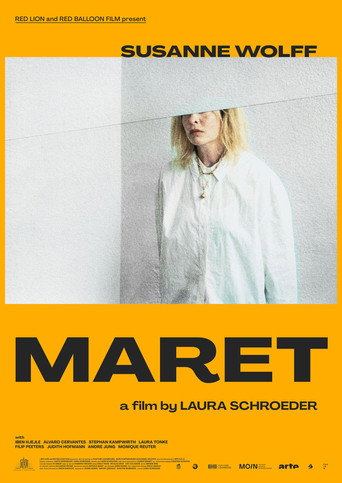
Maret
After losing part of her memory, Maret, 44, sets out to find out who she used to be. She learns about the many different life paths she followed, in none of which anything was ever really achieved. A profoundly unhappy person in a never-ending, headlong rush. A doctor on the island of Lanzarote offers to put this restlessness to an end through brain surgery. A promise of peace and satisfaction. Will Maret proceed with the surgery that would take away part of her being - or not?
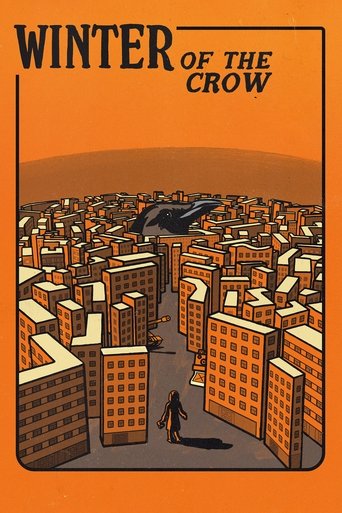
Winter of the Crow
Warsaw, December 13, 1981. Martial law shuts down the country. Overnight, a country turns into a prison. Taxis have been replaced by tanks. Citizens are treated like criminals. And visiting British Professor Joan Andrews finds herself trapped. After witnessing the murder of a young student by the secret police (the "Crows"), Joan herself becomes the target.
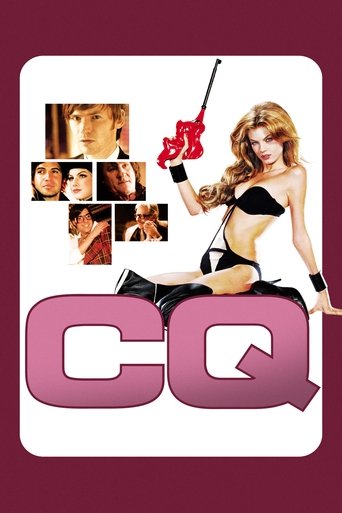
CQ
A young filmmaker in 1960s Paris juggles directing a cheesy sci-fi debacle, directing his own personal art film, coping with his crumbling relationship with his girlfriend, and a new-found infatuation with the sci-fi film's starlet.
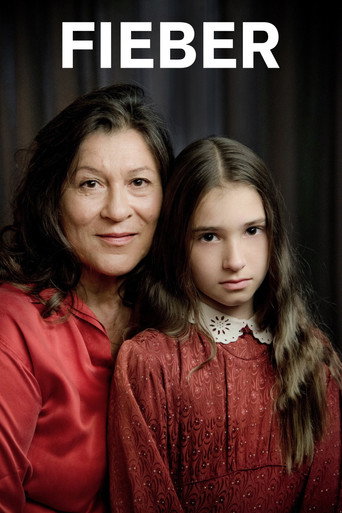
Fever
It’s the early 1950s and little Franzi is growing up in the small Austrian town of Judenburg. Her oppressive family home is dominated by her feverish and mentally ill father, who is rigid and unpredictable. Her father, who regularly delivers halves of pork for the butcher, spent several years in the French Foreign Legion in Morocco, Algeria and Syria – a period which he partly glorifies but which still also haunts him. Franzi immerses herself in this world by looking at an abundance of beguiling yet disturbing photographs taken at the time by her father. Her own childish fantasy realm of fairy tales and picture books soon intermingle with nightmares as reality merges with imagination, war, horror and beauty.
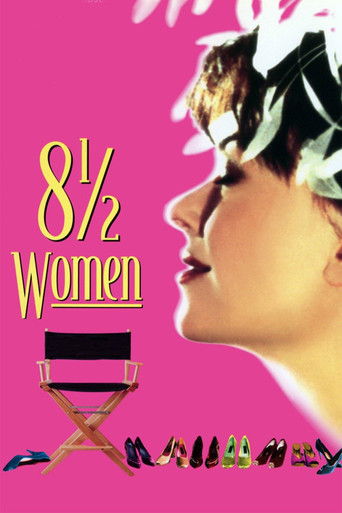
8 ½ Women
After his wife dies, middle-aged businessman Philip Emmenthal, at the prompting of his playboy son Storey, populates his Geneva villa with eight-and-a-half concubines. Three are from Kyoto, where Storey manages Pachinco palaces. Each has a distinctive personality: a nun, a child bearer, a gambler, a student of Kabuki, a horsewoman with a pet pig, a maid. As a year passes, the women begin asserting their own power.
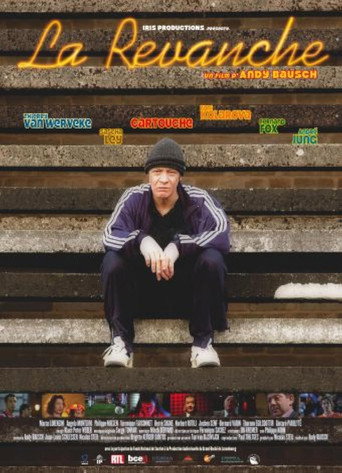
The Revenge
Luxembourg is a small country in the heart of Europe. It's a multi-cultural society, foreigners representing almost 40% of its population. It's famous for its forward-thinking social policies and - especially - for its financial services. It used to be known for its steel industry and it still boasts one of the most important media groups in the world. But it's certainly not known either for soccer or unemployment. So this is 'Revanche's' recipe: take Luxembourg's unemployed. Put them in business suits. Encourage them to create an international football club which begins to win all its matches. Into this strange mix, throw in a bunch of international criminals, and a bevy of glamorous Eastern European dream creatures all looking for husbands, fame and fortune. The result is a delicious humanist fable, a comedy in which love conquers money.
Gallery