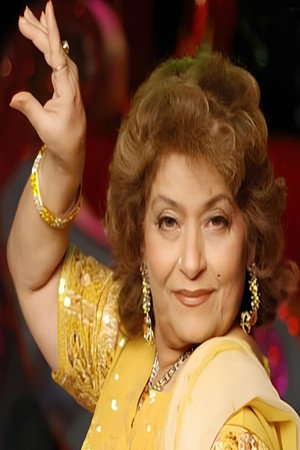
Saroj Khan Movies, TV Shows, and Filmography
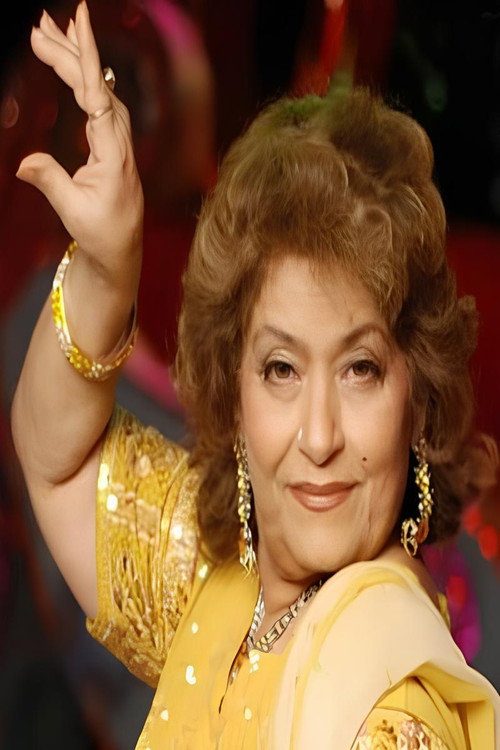
Saroj Khan
Crew
Biography
Saroj Khan (born Nirmala Nagpal; 22 November 1948 – 3 July 2020) was an Indian dance choreographer renowned for creating iconic dance sequences over a career spanning more than six decades in Hindi cinema. She choreographed routines for over 300 films, shaping the movement language of mainstream Bollywood and influencing generations of performers and choreographers. Khan began her career at the age of three as a child artiste in Nazarana (1952), later transitioning to background dancing. She apprenticed under master choreographer B. Sohanlal before establishing herself as an independent choreographer, marking the beginning of a prolific and transformative career. She became legendary for crafting memorable dance sequences for leading actresses such as Sridevi and Madhuri Dixit. Her most celebrated works include “Hawa Hawai” (Mr. India, 1987), “Ek Do Teen” (Tezaab, 1988), “Dhak Dhak Karne Laga” (Beta, 1992), “Choli Ke Peeche” (Khalnayak, 1993), and “Dola Re Dola” (Devdas, 2002). Her choreography was distinguished by a fusion of classical Indian dance forms with cinematic storytelling, redefining Bollywood’s visual and rhythmic vocabulary. Beyond cinema, Khan expanded her influence through television, serving as a judge on dance reality shows such as Nach Baliye, Jhalak Dikhhla Jaa, and Boogie Woogie. Through mentorship, she emphasized disciplined technique, expressive clarity, and emotional storytelling, contributing to the professionalization and wider recognition of choreography during the rise of reality television in India. Her honors include three National Film Awards for Best Choreography, a record eight Filmfare Awards in the same category, and the IIFA Lifetime Achievement Award (2019), among numerous other distinctions. Saroj Khan is widely regarded as one of the most influential choreographers in Indian film history. Her life and career were documented in The Saroj Khan Story (2012).
Filmography Movies
Acting
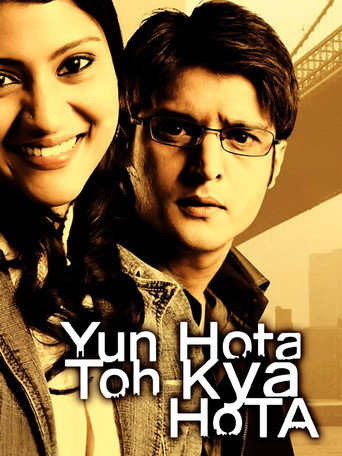
Yun Hota To Kya Hota
Four individuals from different parts of India board a US-bound flight. However, they are stuck in an unfortunate situation as the flight is hijacked soon after take-off.
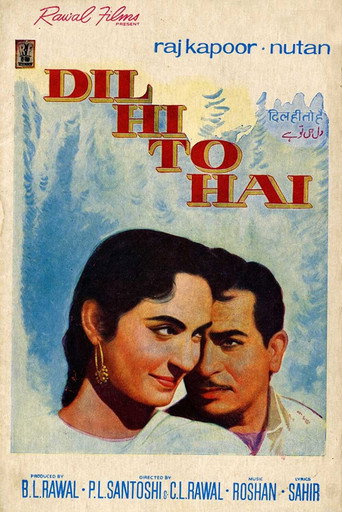
Dil Hi To Hai
Children are exchanged by greedy aunt and uncle in childhood and they live undeserved lives.
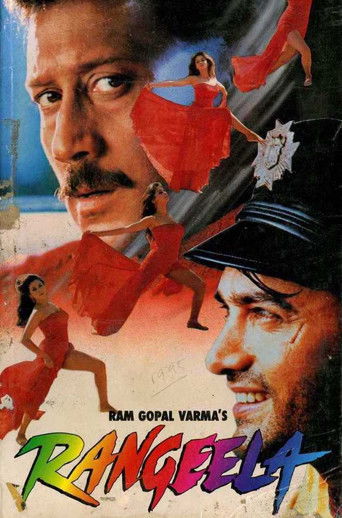
Rangeela
A poor young woman, who dreams of Bollywood fame, is caught in a love triangle between her childhood friend and a famous actor.
Production
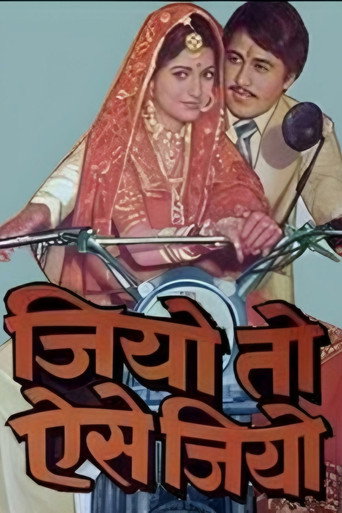
Jiyo To Aise Jiyo
Three brothers go through ups and downs in their lives after the death of their parents.
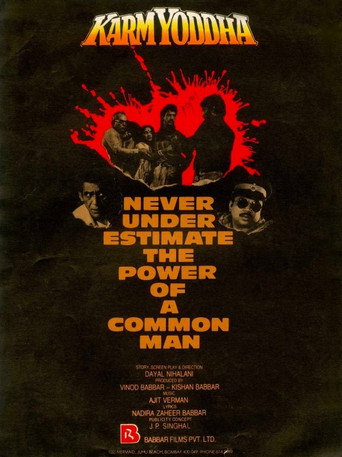
Karm Yodha
Sameer returns to his city and witnesses a murder. Later, he and his family are attacked thinking that the dead victim has shared a secret with him.
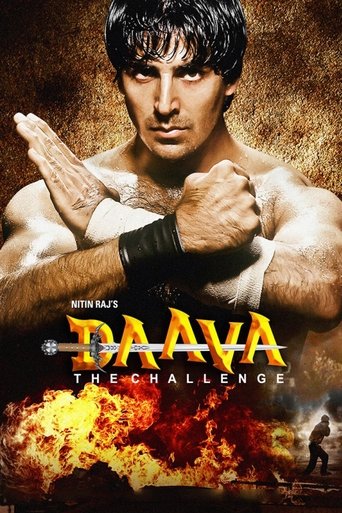
Daava
Arjun is police officer and he has two stepbrothers, Bhishma and Suraj. Dhaman takes full advantage of this situation, and watches as the brothers go against each other.
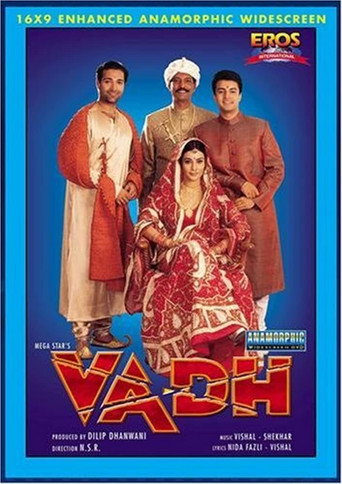
Vadh
A leading psychologist's much younger wife begins an extramarital affair with his close friend. When the doctor finds out, he plots revenge, which puts himself, his wife, his close friend and his brother in mortal danger.
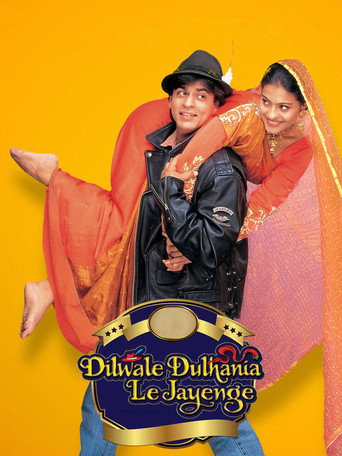
Dilwale Dulhania Le Jayenge
Raj is a rich, carefree, happy-go-lucky second generation NRI. Simran is the daughter of Chaudhary Baldev Singh, who in spite of being an NRI is very strict about adherence to Indian values. Simran has left for India to be married to her childhood fiancé. Raj leaves for India with a mission at his hands, to claim his lady love under the noses of her whole family. Thus begins a saga.
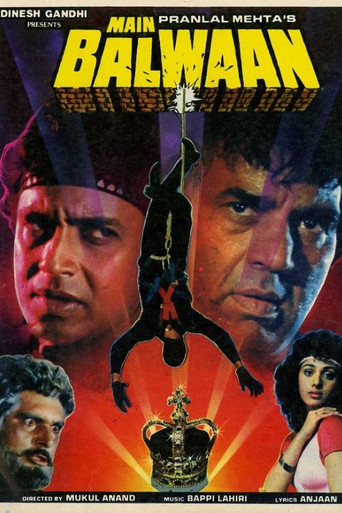
Main Balwaan
Anil, a criminal's son, follows a righteous path and marries Geeta. After his death, Geeta has to leave their son, Tony, with her brother, who is an inspector.
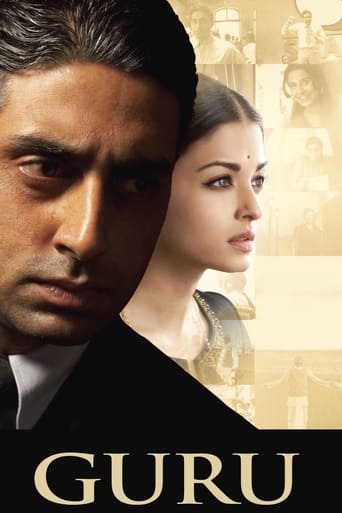
Guru
A villager, Gurukant Desai, arrives in Bombay in 1958, and rises from its streets to become the biggest tycoon in India.
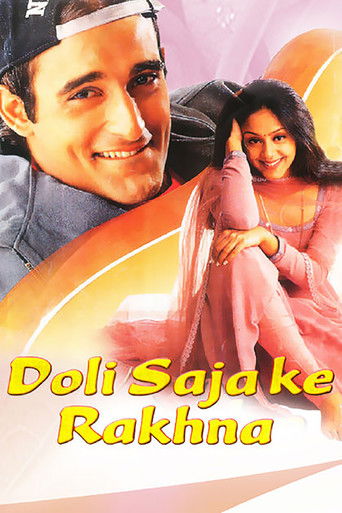
Doli Saja Ke Rakhna
Inderjit Bansal comes from a wealthy family. His father and mother, Chandrika, would like him to get married and settle down,but he goes to another city to do his MBA and stays with friends. During this time, he meets Pallavi Sinh (Jyothika) and they fall in love. She reciprocates his feelings, but trouble comes in the form of her tyrannical trio of brothers
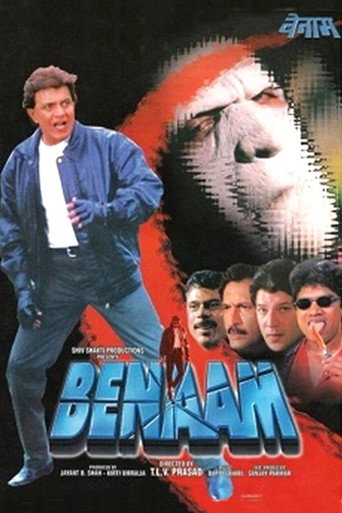
Benaam
A masked man is killing a group of underworld hoods, which has the police and the hoods equally baffled.
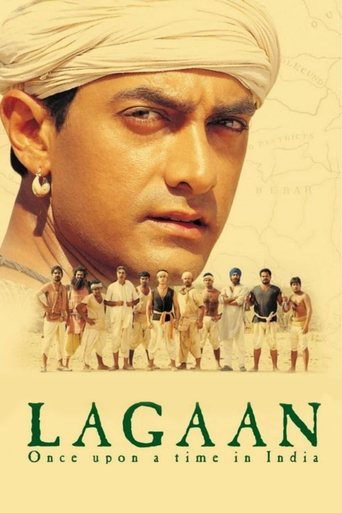
Lagaan: Once Upon a Time in India
The year is 1893 and India is under British occupation. In a small village, the tyrannical Captain Russell has imposed an unprecedented land tax on its citizens. Outraged, Bhuvan, a rebellious farmer, rallies the villagers to publicly oppose the tax. Russell offers a novel way to settle the dispute: he challenges Bhuvan and his men to a game of cricket, a sport completely foreign to India. If Bhuvan and his men can defeat Russell's team, the tax will be repealed.
Gallery