Sarah Pucill Movies, TV Shows, and Filmography
Sarah Pucill
Directing
Biography
No biography available.
Filmography Movies
Acting
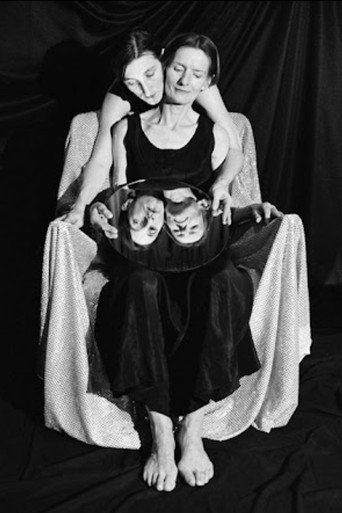
Stages of Mourning
Ritualised through performance to camera, Stages of Mourning is Pucill’s journey of bereavement. In as much as this is a meditation on coming to terms with loss, the film is an exploration of how our relationship with the dead is made different through film. The artist orders image fragments of her late lover and collaborator, Sandra Lahire. By trying to physically immerse herself into photographs and film footage or by restaging these, Pucill forms a continuous stream of a life of two lovers. Through this doubling and layering, illusions accumulate as if these were a product of a machine that didn’t stop.
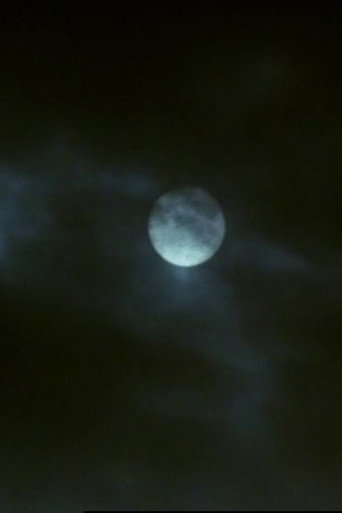
Blind Light
Blind Light is filmed in the artist’s London loft. The presence of camera, studio and artist/performer are registered through image and sound, the loss of the former filling out the presence of the latter. In this way the physicality of object, space and subject as well as their inferiority is fleshed out, mapping out a space that is at once material and psychical. Controlling the light she allows into the frame, the artist lifts the blinds or pulls them shut, applies or removes lens filters, opens wide the aperture or closes it. Each performance or action threatens the image as it shifts in and out of ‘proper’ exposure until it disappears completely. Focusing either on the window or the sky, the artist narrates her camera operation whilst also describing what she sees; intermixing receptive and projective vision.
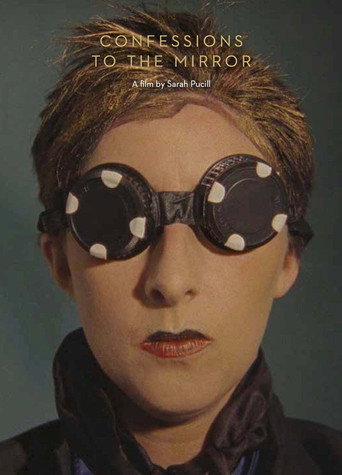
Confessions to the Mirror
A sumptuous and passionate reimagining of Claude Cahun's life.
Production
You Be Mother
You Be Mother uses stop-frame animation to disrupt the traditional orders of animate and inanimate, the fluid and the solid. An hallucinatory space is set up when a frozen image of the artist’s face is projected onto weighty pieces of crockery atop a table. Ears, eyes, nose and mouth, all become spatially dislocated as a determined hand begins to reposition, decant and mix. Events unfold to the amplified sounds of grinding, pouring and stirring.
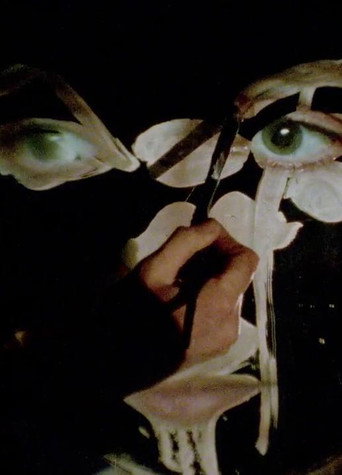
Milk and Glass
In this film an interior landscape is scrutinised, and an apparent rational calm is revealed as suffocating. Milk and Glass is an evocative journey from surface to interior – a black-coated mirror, the hollow of a bowl, a cavernous throat; a brush demarcates a line of lip on a flat surface, a mouth doubles up with the bowl and is virtually spoon-fed till it chokes.
Backcomb
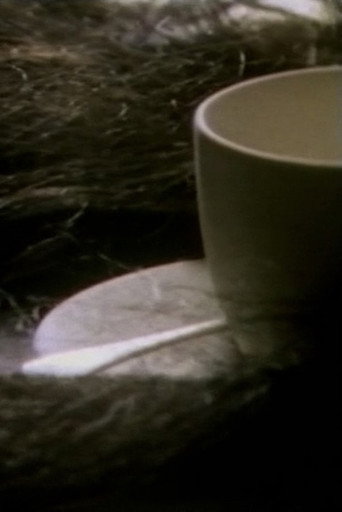
In Backcomb the demonic is unleashed on domestic space. It takes the form of two of femininity’s mildest tokens, hair and embroidery, that serve here in the creation of a sexualised surrealist experience. Within the claustrophobic space of a table-lay, a forceful and erectile mass of hair comes alive and slithers across its surface. The hair probes into vessels and punches through the cloth till finally order overturns and all smashes to the ground.
Stages of Mourning
Ritualised through performance to camera, Stages of Mourning is Pucill’s journey of bereavement. In as much as this is a meditation on coming to terms with loss, the film is an exploration of how our relationship with the dead is made different through film. The artist orders image fragments of her late lover and collaborator, Sandra Lahire. By trying to physically immerse herself into photographs and film footage or by restaging these, Pucill forms a continuous stream of a life of two lovers. Through this doubling and layering, illusions accumulate as if these were a product of a machine that didn’t stop.
Magic Mirror
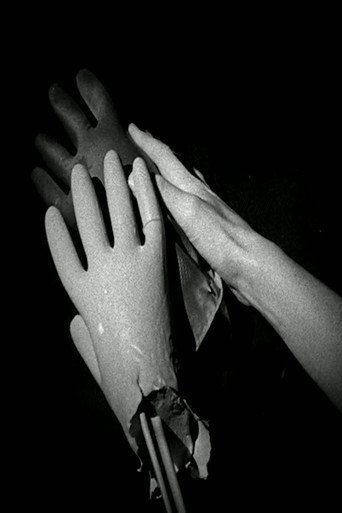
Magic Mirror combines a re-staging of the French Surrealist artist Claude Cahun’s black and white photographs with selected extracts from her book Aveux Non Avenus (Confessions Denied). In Surrealist kaleidoscopic fashion the film creates a weave between image and word, exploring the links between Cahun’s photographs and writing as well as between those of the films of Sarah Pucill, as both artists share similar iconography and concerns.
Swollen Stigma
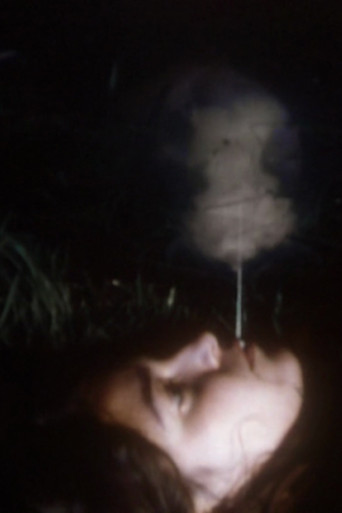
Swollen Stigma nourishes the fantasy of its protagonist’s inner life and proposes a lesbian imaginary which takes leap into risk and displacement. The film opens with an entranced seated woman working her fingers through a single strand of hair and proceeds to explore her lived imaginary in which desire and fear interlace. She re-visions different moments in time which are haunted by an absent lover. Like a playful fairy princess, this lover appears upside down in an armchair, hanging legs-down from the ceiling, playing dead on the floor, or eating roses; her body continuously permeates the woman’s reality. The film’s shifting points of view jump between the protagonist, fantasy spaces and her lover, making an internal world leak into what is external with the fluidity of blood into water.
Blind Light
Blind Light is filmed in the artist’s London loft. The presence of camera, studio and artist/performer are registered through image and sound, the loss of the former filling out the presence of the latter. In this way the physicality of object, space and subject as well as their inferiority is fleshed out, mapping out a space that is at once material and psychical. Controlling the light she allows into the frame, the artist lifts the blinds or pulls them shut, applies or removes lens filters, opens wide the aperture or closes it. Each performance or action threatens the image as it shifts in and out of ‘proper’ exposure until it disappears completely. Focusing either on the window or the sky, the artist narrates her camera operation whilst also describing what she sees; intermixing receptive and projective vision.
Fall In Frame
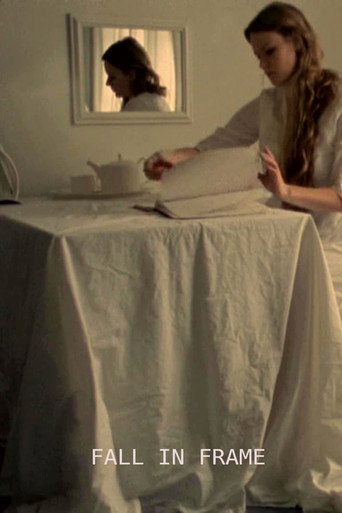
In Fall in Frame the materiality of the filmmaking process is explored within a constrained performance that blurs the split between the physical and consciousness. The film ends where it starts with the sheet around the camera, shutting out the image.
Mirrored Measure
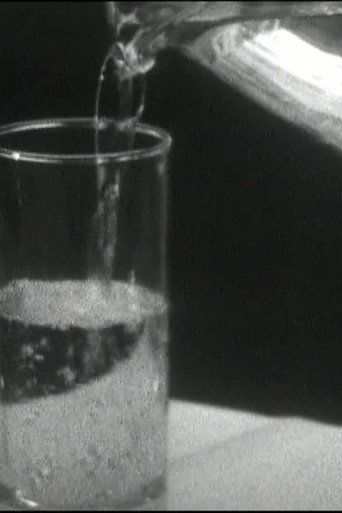
Mirrored Measure features two women separated by a generation. The older woman ceremoniously lays a table – she repeatedly spreads a cloth and smoothes it out. The table is set and glasses and jug filled with water. A balanced and controlled ritual follows in which the jug is passed round and water is repeatedly sipped. Water becomes the lens through which we see and the medium through which the protagonists connect. The sense of connectivity is abruptly severed when the first glass tumbles.
Cast
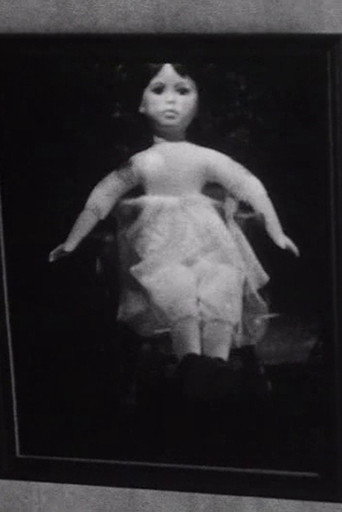
Cast creates a claustrophobic and haunting space where people and things invade worlds in which they do not normally belong. Lifeless dolls are heaped inside drawers, dolled-up life size figures lie motionless on a windy beach at the water’s edge; a chair rocks in an empty room, a mirror reflects and observes, and a chest of drawers is caressed by the sea. The film has a dramatic sensibility that sets up a false promise of narrative. Its structure, instead, is akin to that of dreams where different scenic spaces collapse and the inanimate and animate interchange. Wide-angled perspectives, shifting points of view and juxtapositions of sound and silence force inner and outer realities to collide, creating an unsettling psychic world.