Sarah Maldoror Movies, TV Shows, and Filmography
Sarah Maldoror
Directing
Biography
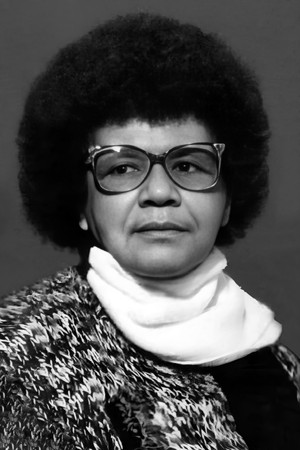
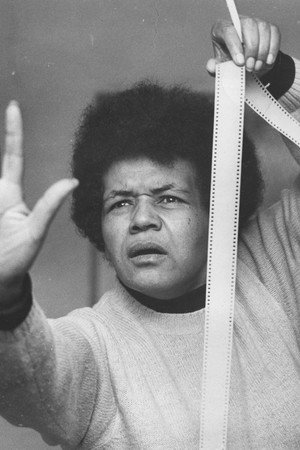
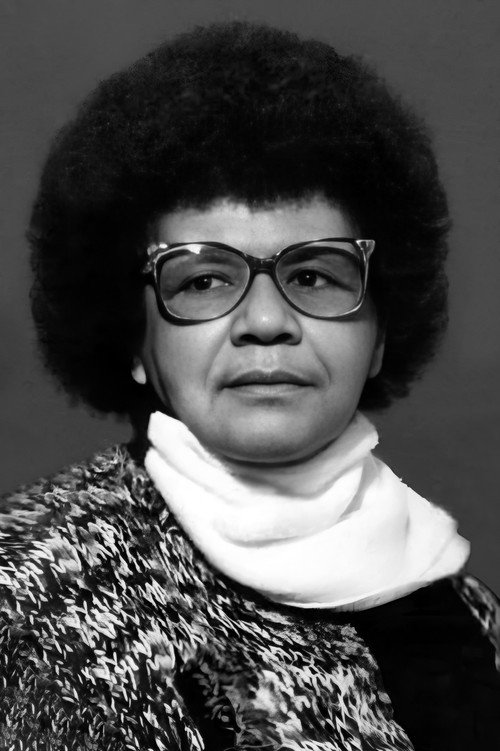
Sarah Maldoror (in Arabic: سارة مالدورور), whose real name was Marguerite Sarah Ducados, was a French filmmaker and director, born on July 19, 1929 in Condom (Gers) and died on April 13, 2020 in Fontenay-lès-Briis (Essonne). Her cinema is poetic but also political and committed. She is considered a leading figure in African cinema and the first female director on the continent. Born to a Guadeloupean father from Marie-Galante and a mother from Gers, she chose the artist name "Maldoror" in homage to the poet Lautréamont. In 1958, she created the first black troupe in Paris, "Les Griots", alongside Toto Bissainthe, Timoti Bassori and Samb Abambacar. One of their goals is to share and make known the texts of black authors, and to offer major roles to actors of African origin. Sarah Maldoror left for two years in Moscow to study cinema at VGIK under the guidance of Mark Donskoï. There she met the Senegalese filmmaker Ousmane Sembène. Companion of Mário Pinto de Andrade, Angolan poet and politician, she participated with him in the African liberation struggles. They gave birth to two daughters, Annouchka de Andrade and Henda Ducados. She returned to France in Saint-Denis. Mario de Andrade is the founder and first president of the MPLA (Movement for the Liberation of Angola). While he was secretary to Alioune Diop, founder of Présence africaine, he organized the first congress of black writers and artists in Paris (Sorbonne, 1958) and became a close friend of the poets Aimé Césaire, Léopold Sédar Senghor, Frantz Fanon and Richard Wright. It was in Algiers, where she moved in 1966, that she made her debut on the cinematographic front of the anti-colonial struggles: assistant on Gillo Pontecorvo's Battle of Algiers (1966) and William Klein's Pan-African Festival of Algiers 1969, a documentary, she soon made her first film, followed by a lost film shot in Guinea-Bissau and a first "fiction" feature film, Sambizanga (1972). Filmed in the Republic of Congo, based on an Angolan novel by José Luandino Vieira, adapted by his partner Pinto de Andrade with the French writer Maurice Pons, Sambizanga takes place in 1961 and describes the repression of the Angolan Liberation Movement from the point of view of Maria, the wife of a revolutionary activist imprisoned and tortured by the Portuguese army, who sets out to look for him across the country. Sarah Maldoror will direct more than forty short or feature-length films, fiction films or documentaries. Her gaze has focused in particular on the poets Aimé Césaire (five films), René Depestre or Louis Aragon, as well as the painters Ana Mercedes Hoyos, Joan Miró or Vlady. She died in April 2020 from Covid-19. In November 2021, "Sarah Maldoror, Cinéma Tricontinental" proposed by the Palais de Tokyo in Paris, is a retrospective of her work, her life and her political commitment. The exhibition continues at the Musée de l'Homme, the Musée de l'Histoire de l'immigration and the Musée d'Art et d'Histoire Paul Éluard in Saint-Denis.
Filmography Movies
Acting
Sarah Maldoror ou la nostalgie de l'utopie
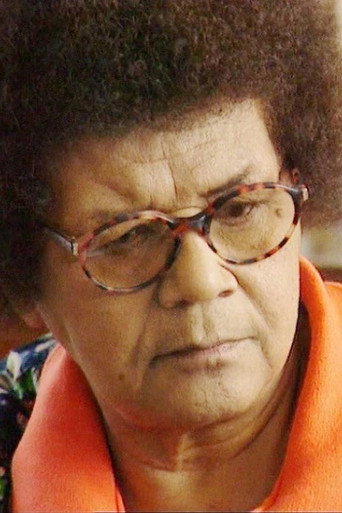
Sarah Maldoror ou la nostalgie de l'utopie is a Togolese short documentary film directed by Anne-Laure Folly. It was released in 1999. The film is a tribute to Sarah Maldoror of Guadeloupe, who made the classic film Sambizanga (1972). The film documents the constant political struggle in all her work for liberty, her affirmation of her négritude to the world, and her campaign for recognition of black poets.
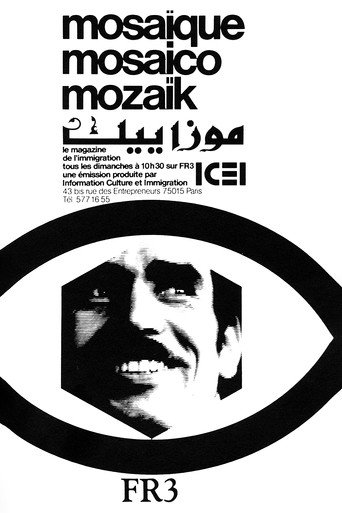
Mosaïque
Broadcast from 1977 to 1987 on FR3, every Sunday morning, for 1h30, Mosaïque is a variety show with a set where music groups from the countries of origin of immigration perform, and which broadcasts reports on these countries and on immigrants who live in France. When it was created, it aimed to promote the cultures of origin of immigrants, but also to make them better known to the rest of the population. However, the program was never financed by public television which considers that it was aimed at a specific audience and was therefore not part of a public service mission. It received financial support from the Ministry of Labor, through its subsidy to the National Office for the Cultural Promotion of Immigrants, ONPCI (later becoming Information Culture and Immigration, ICEI, in 1977, then Agency for the Development of Intercultural Relations , ADRI). , in 1982).
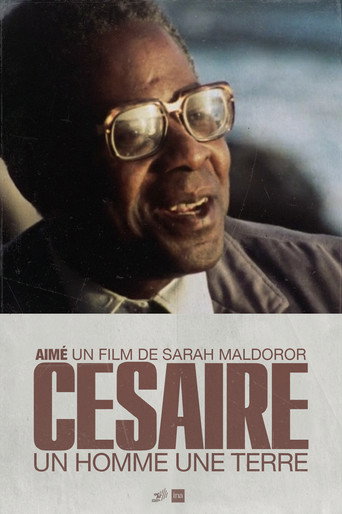
Aimé Césaire, Un homme une terre
Alternating interview segments, shots of Martinique landscapes and scenes from Aimé Césaire's play La Tragédie du roi Christophe (1963), Sarah Maldoror portrays her friend as a politician, a poet, and a founder of the Négritude movement.
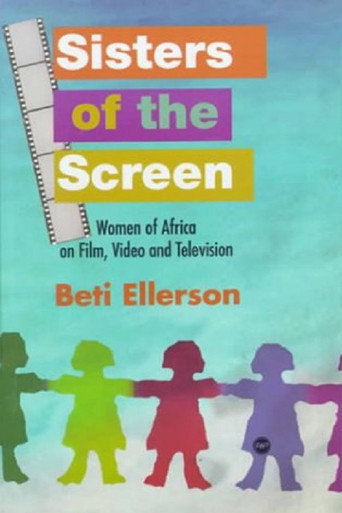
Sisters of the Screen - African Women in the Cinema
Exploring the extraordinary contributions of women filmmakers from Africa and the diaspora, Beti Ellerson’s engaging debut intersperses interviews with such acclaimed women directors as Safi Faye, Sarah Maldoror, Anne Mungai, Fanta Régina Nacro and Ngozi Onwurah with footage from their seminal work. With power and nuance, Ellerson also confronts the thorny question of cultural authenticity by revisiting the legendary 1991 FESPACO (Pan-African Festival of Cinema and Television of Ouagadougou), in which diasporian women were asked to leave a meeting intended for African woman only. This film is both a valuable anthology and a fitting homage to the pioneers and new talents of African cinema.
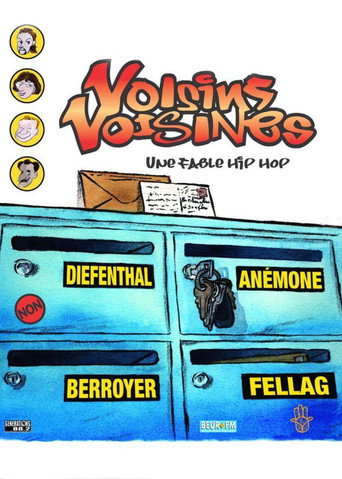
Voisins, voisines
The Mozart Residence is home to several "new owners" of all origins: a new concierge, Paco, of Spanish origin, who has just been released from prison, arrives at the residence. Around it, the hall and the mailboxes, the "ballet" of the Residence Mozart is organized.
And the Dogs Were Silent
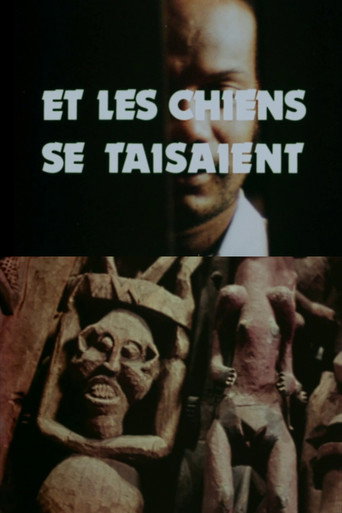
For 'Et les chiens se taisaient' Maldoror adapted a piece of theatre by the poet and politician Aimé Césaire (1913–2008), about a rebel who becomes profoundly aware of his otherness when condemned to death. His existential dialogue with his mother reverberates around the African sculptures on display at the Musée de l'Homme, a Parisian museum full of colonial plunder whose director was the Surrealist anthropologist Michel Leiris.
Foreword to Guns for Banta
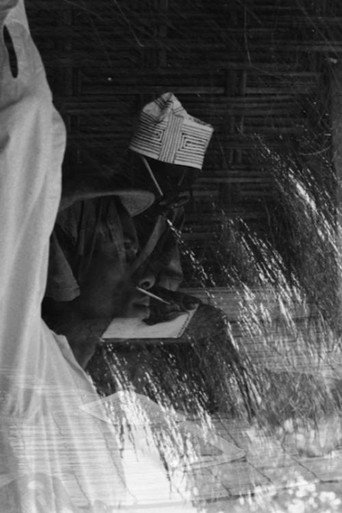
Originally an analog slide show made for two projectors, this work recounts the making of Sarah Maldoror's lost and surely never-to-be-seen first film Guns for Banta.
Mário
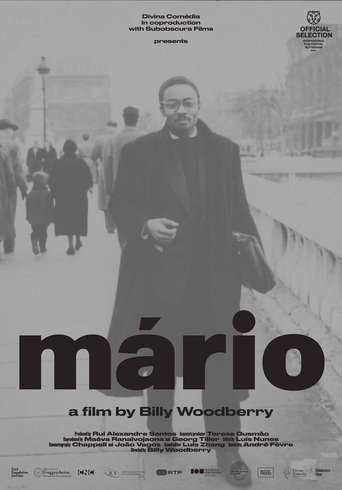
Are even the best and brightest revolutionary movements doomed to inevitable compromise, betrayal and failure? That question haunts this documentary, a biography of Angolan-born Mário Pinto de Andrade (1928–1990), a key figure in African revolutionary and anti-colonial struggles.
Production
Papa Césaire
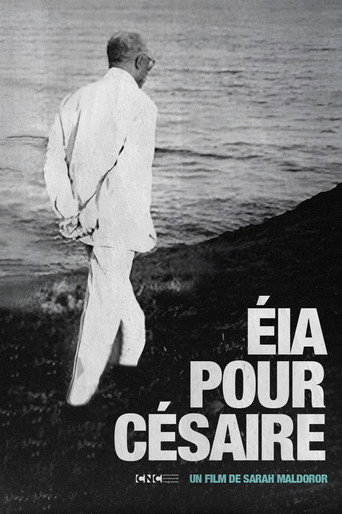
Shortly after his death in 2008, Maldoror made this film about her longtime friend and collaborator, the Négritude poet Aimé Césaire. In this film, she retraces the steps of Césaire’s travels across the globe — particularly back to his hometown in Martinique, where Maldoror interviews his relatives about his life — and her working relationship with Césaire, including fragments of her previous films about him, Un homme, une terre (1976) and Le masque des mots (1987).
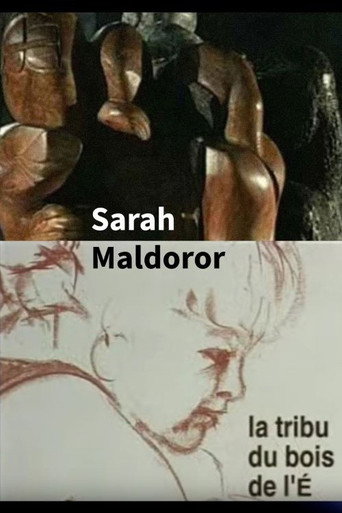
Tribu du bois de l'E
In this documentary about Reunion Island, Maldoror begins with a look at an exhibition by sculptor Alain Seraphine, with automated drumming machines and other installations. From there, she goes out into the island, showing a communal eco-stovetop program, art and music classes for children, and parts of the island’s animation industry, all creative outlets and opportunities for the people.
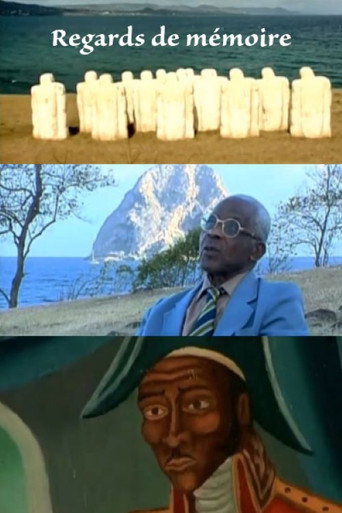
Memory's Gaze
The filmmaker Sarah Maldoror films the writer Édouard Glissant at the Fort de Joux (in the Jura), in the cell where the Haitian general Toussaint Louverture was held prisoner until his death in 1803. She then talks to Aimé Césaire at Le Diamant in Martinique, in front of Laurent Valère's "Cap 110" memorial. The documentary also includes short interviews with Roland Suvélor and Madeleine de Grandmaison, and the reading of texts performed by Greg Germain.
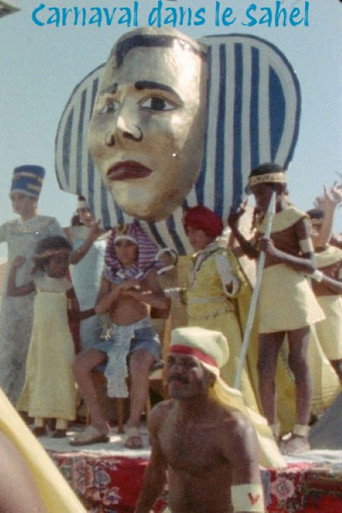
Carnival in the Sahel
Sarah Maldoror uses Carnival as her approach to the history of colonization and black culture. Carnival is understood here as a festivity during which the limits are transgressed, the world is circumnavigated, and the dominator becomes the dominated, in addition to being an explosion of music and sensations, a great collective performance in which the characteristics of négritude-identity comes forth.
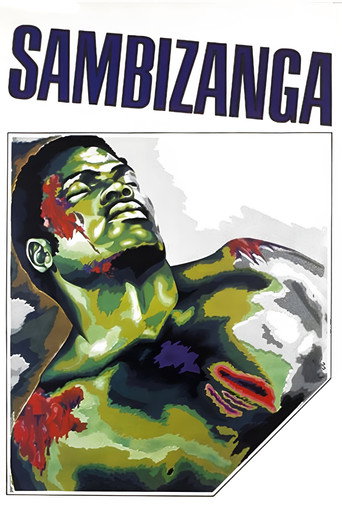
Sambizanga
Domingos is a member of an African liberation movement, arrested by the Portuguese secret police, after bloody events in Angola. His wife goes from a prison station to another, trying in vain to find out where he is.
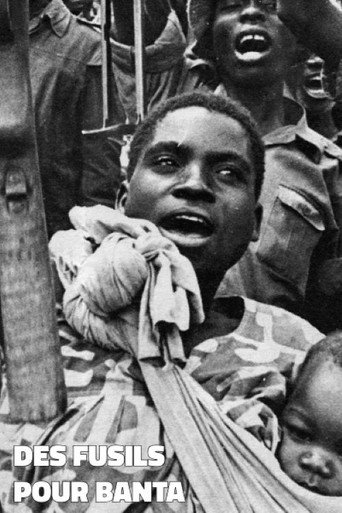
Guns for Banta
Guns for Banta is the first feature-length film by Sarah Maldoror. Shot in Guinea-Bissau, it follows the life and untimely death of Awa, a countrywoman involved in the African Party for the Independence of Guinea and Cape Verde (PAIGC). Financed by the Algerian army, which hoped to turn it into a propaganda tool, the film was confiscated from Maldoror because of her demands for full control over the editing. To this day the reels have not been identified or returned.
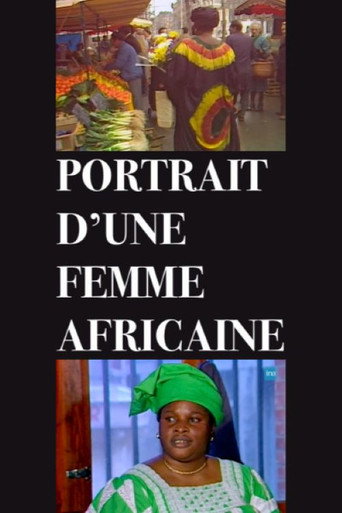
Portrait of an African Woman
In this segment on immigrant cultures for the television program Mosaïque, a young Senegalese woman who cooks in a workers’ hostel dreams of traveling throughout France and getting to know her adopted country, taking issue with the cliché of the impoverished and helpless immigrant.
Sambizanga
Domingos is a member of an African liberation movement, arrested by the Portuguese secret police, after bloody events in Angola. His wife goes from a prison station to another, trying in vain to find out where he is.
Papa Césaire
Shortly after his death in 2008, Maldoror made this film about her longtime friend and collaborator, the Négritude poet Aimé Césaire. In this film, she retraces the steps of Césaire’s travels across the globe — particularly back to his hometown in Martinique, where Maldoror interviews his relatives about his life — and her working relationship with Césaire, including fragments of her previous films about him, Un homme, une terre (1976) and Le masque des mots (1987).
Aimé Césaire, Un homme une terre
Alternating interview segments, shots of Martinique landscapes and scenes from Aimé Césaire's play La Tragédie du roi Christophe (1963), Sarah Maldoror portrays her friend as a politician, a poet, and a founder of the Négritude movement.
Gallery