Directing
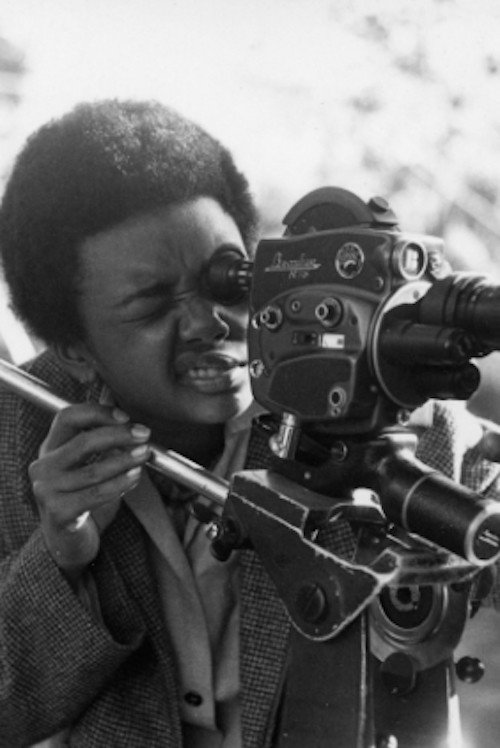
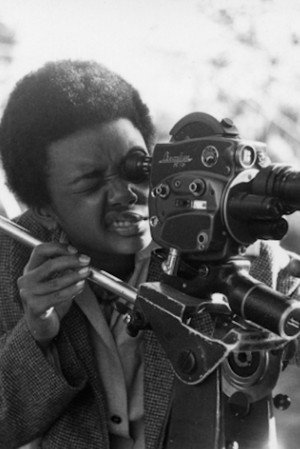
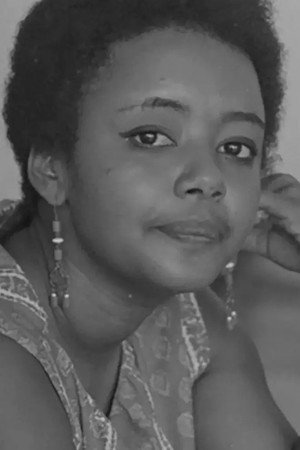
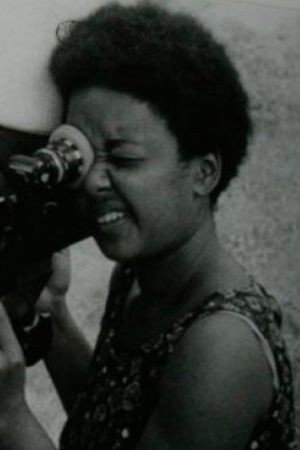
Sara Gómez was a Cuban filmmaker, screenwriter, musician and journalist. She is recognized as the first Cuban woman to direct a fiction film: De cierto manera (1974).
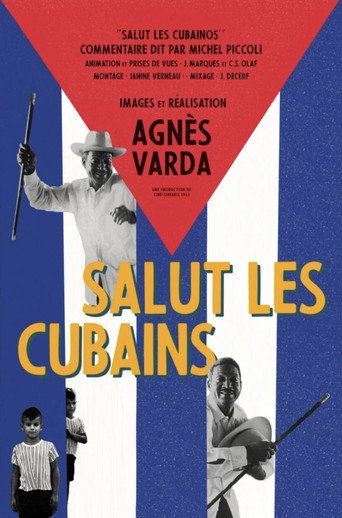
A photo montage of Cubans filmed by Agnès Varda during her visit to Cuba in 1963, four years after Fidel Castro came to power. This black & white documentary explores their socialist culture and society while making use of 1500 pictures (out of 4000!) the filmmaker took while on the island.
Born in 1943, Sara Gómez studied literature, piano, and Afro-Cuban ethnography before becoming the first female Cuban filmmaker. A woman of great intelligence, independence and generosity, she was a revolutionary filmmaker with intersecting concerns about the Afro-Cuban community and the value of its cultural traditions, women's issues, and the treatment of the marginalized sectors of society.
A couple faces various difficulties due to the new realities that accompany the triumph of the Cuban Revolution.
An illustration of the difficulties women encounter when they seek to achieve economic integration and equality with men in a country at the height of revolution.
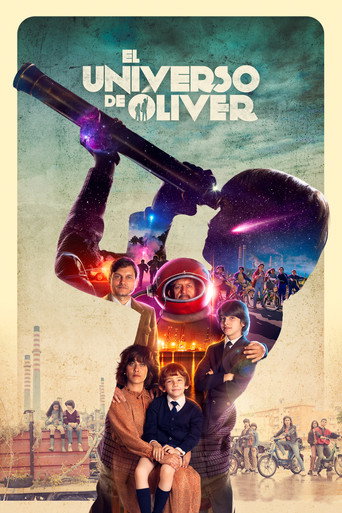
The year is 1985. Oliver, a boy with an overflowing imagination, moves with his family to the southernmost corner of Europe, just as Halley's Comet is about to pass by. These events will mark a before and after in the emotional life of Óliver, who will look to the stars for the solution to his problems in the new school, in the neighborhood and at home. To make matters worse, his grandfather, nicknamed "el majara" is encouraged to help him interpret the comet's message and take a step forward in his new Universe.
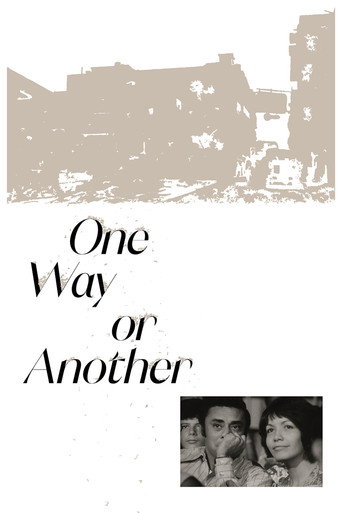
In Miraflores, Cuba, the growing romance between Mario, a factory worker, and Yolanda, a schoolteacher, throws into relief the differences in their perspectives and values in Revolutionary Cuba.
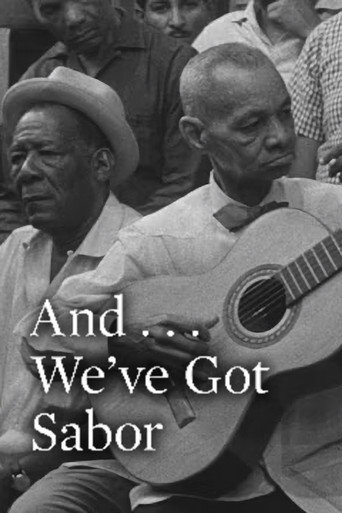
Legendary rumba musician Alberto Zayas serves as a guide for this vibrant journey through Cuban musical history and culture. The short features interviews, footage of impromptu street performances, and studio recordings.
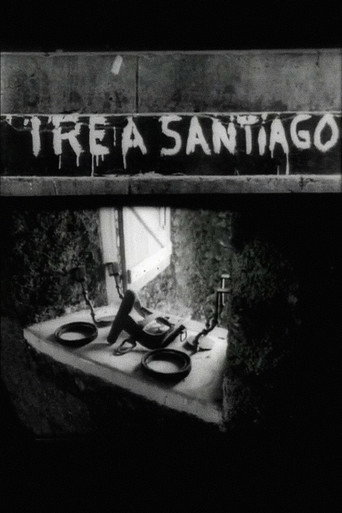
This black-and-white film is a loving portrait of Santiago de Cuba and its people. It provides a view of Cuba as a picturesque country, the product of an earthy mix of black and criollo cultures. The film uses historical images which portray the end of the eighteenth century when Haitian slave owners fled with their slaves to Cuba after the Haitian Revolution.
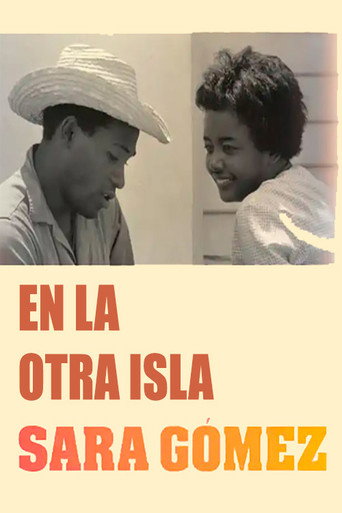
In this film, Sara Gómez documents the everyday life of the Isla de Pinos, the discussions about the problems of construction, the school and the leisure activities of the youth in 1968 and contextualizes these images with Frantz Fanon's thoughts about the construction of a nation through decolonization.
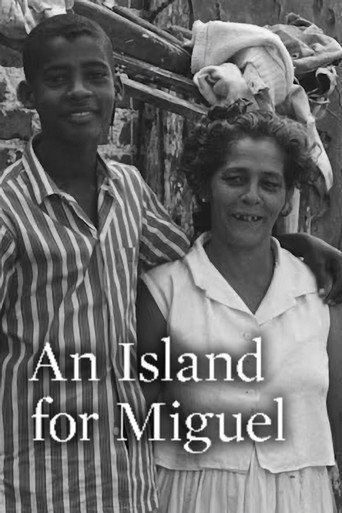
Loose collection of individual portraits of the inhabitants of the Isle of Pinos [now Isla de la Juventud], who tell their stories, share ideas and discuss topics such as racism and crime.
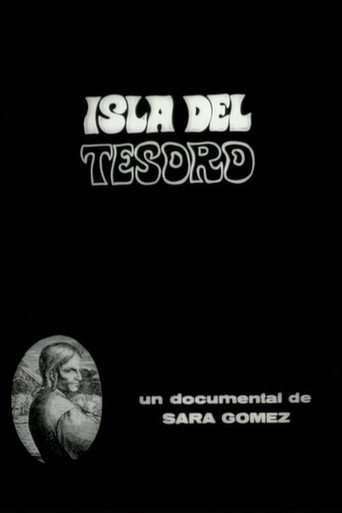
A short poetic evocation by Sara Gómez of Isla de Pinos, the island where Fidel Castro was imprisoned by Batista, where the revolution builds a new society. A juxtaposition of the Presidio Modelo prison with citrus production.