Acting
No biography available.
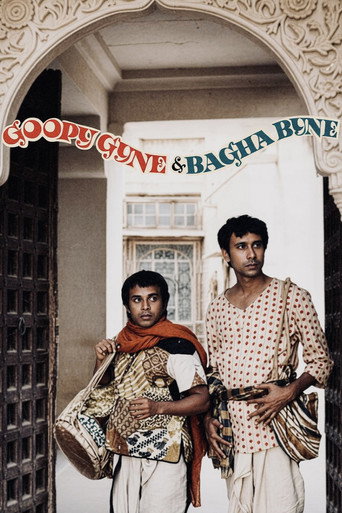
Goopy Gyne and Bagha Byne are banished from their respective villages for being bad musicians. However, with their skills, they succeed in pleasing the king of ghosts who grants them three boons. How will they succeed in preventing the war between Halla and Shundi which is looming large?
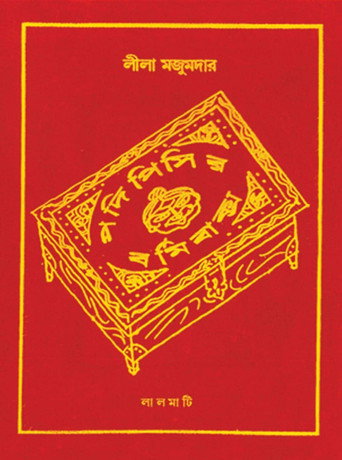
Khoka is a schoolboy who goes to his uncle's house, where he learns about the tales of Padi Pishi (Aunt Padi), a formidable widow. She had once gone to Khuro's house to meet him, but bandits attacked her. When Khuro got to know about it, he offered her bribes from his loot so that the news would not be public. Padi Pishi then took a precious Burmese box that was hidden in Khuro's house. Before Padi's Pishi's death, she did not reveal the hiding place to anyone except her son Goja. The entire family searched for the missing box but could not recover it. A private detective also searched for the box but could not find it. The story is about how it is finally discovered. Padi Pishir Barmi Baksha is an Indian Bengali adventure comedy film directed by Arundhati Devi. It is based on the children's novel of the same name by Leela Majumdar.
Amitabha Roy is a Calcutta-based scriptwriter, driving around in the country to collect material for a film. His vehicle breaks down in a small town. A tea planter, Bimal Gupta, offers hospitality for the night. Amitabha is forced to accept the offer as he has no alternative.
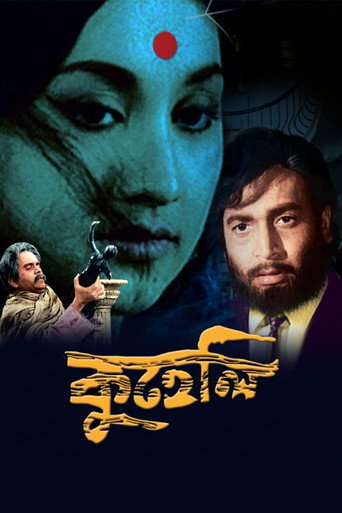
A Middle-Aged Woman named Sheba comes to an Obscure town named Nijhumgarh to be the Governess of a Renowned Household called "Ray Kuthi". But little did she know about the Bungalow and the dwellers. She is startled to know that two murders took place there nearly seven years earlier. The Mist of the mysterious happenings get only thicker. Now Sheba could only pray for it to Go Away as incidents transcend the rules of our physical world.
Pradyut Sen is an allopathic doctor who moves to Nabagram to run his practice. However, as the village already has an ayurvedic doctor, Jibon Sen, Pradyut develops a dislike for him.
A British administrator with a flair for game hunting develops a friendship with a commoner who is an expert archer in an Indian village. The movie portrays the relationship between the British colonialists, and native villagers who were exploited by Indian landlords in 1920s India. This happens against the backdrop of the awakening of the Indian people against the British rule.
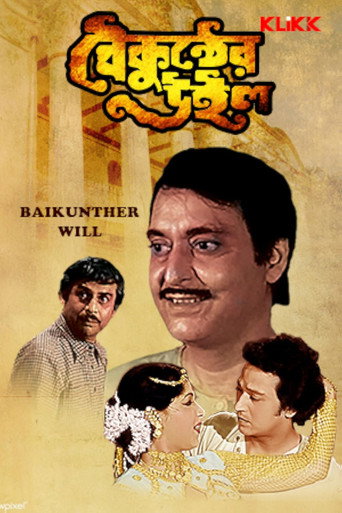
Businessman Baikuntha remarries after the death of his wife and is blessed with a second son. Years later, he leaves his wealth to his wiser elder son, which causes friction between the two brothers.
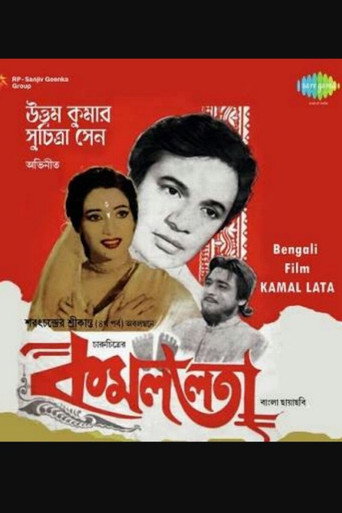
Being an unwed mother, Kamal Lata had no option but to abort the child and move on with life. The man who left her comes back into her life, but she decides to stay in Vrindavan.
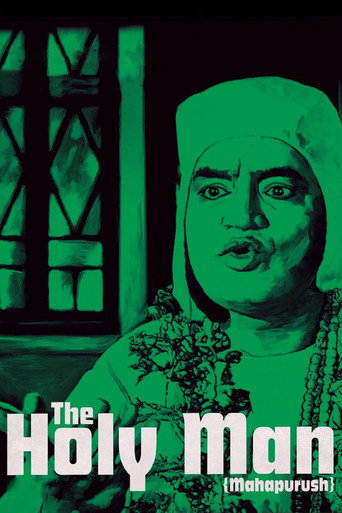
A wandering baba initiates a widower layer and his youngest daughter, irritating her boyfriend Satya and the ever-skeptical Nibaran.
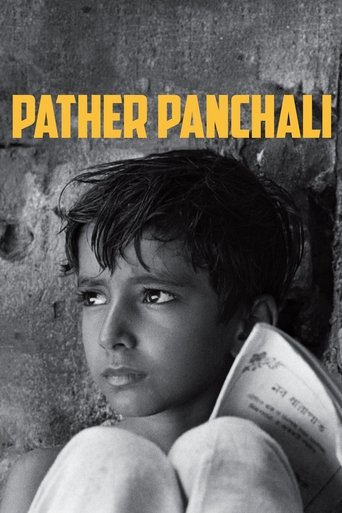
Impoverished priest Harihar Ray, dreaming of a better life for himself and his family, leaves his rural Bengal village in search of work. Alone, his wife, Sarbojaya, looks after her rebellious daughter, Durga, and her young son, Apu, as well as Harihar's elderly aunt Indir. The children enjoy the small pleasures of their difficult life, while their parents suffer the daily indignities heaped upon them.
When a poor and out-caste village tanner goes to village priest to get the date of his daughter's marriage fixed, the priest in turn asks for labor without pay in exchange.
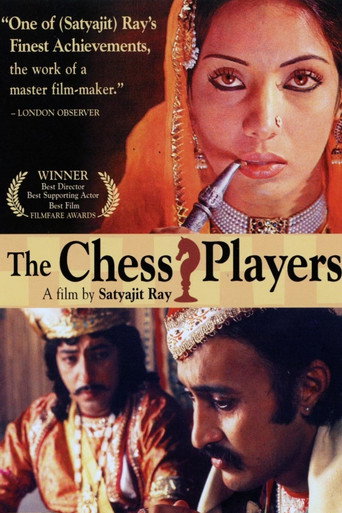
In the year 1856, Nawab Wajid Ali Shah is the King of Awadh, one of the last independent kingdoms of India. The British intend to control this rich land and send General Outram to clear way for an annexation. Pressure is mounting amidst intrigue and political maneuvers, but the Nawab whiles away his time in pursuit of pleasure and religious practice. The court is of no help either — noblemen Mir and Mirza ignore all duties and spend their days playing endless games of chess.
In the early 1900s, Nikhilesh, a wealthy Westernized Hindu in colonial East Bengal, feels compelled to test the love of his wife, Bimala. He introduces her to his friend Sandip, a politician agitating against British rule, and Bimala is equally taken with both Sandip's anti-colonial fervor and the man himself. Personal and political tensions subsequently flare as the now assertive Bimala has to make a crucial decision.
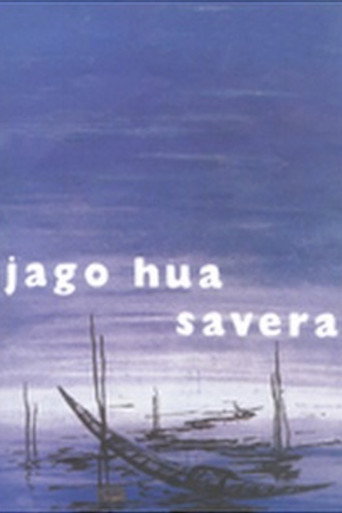
Based on he daily lives of the fishermen of East Bengal.