Writing
No biography available.
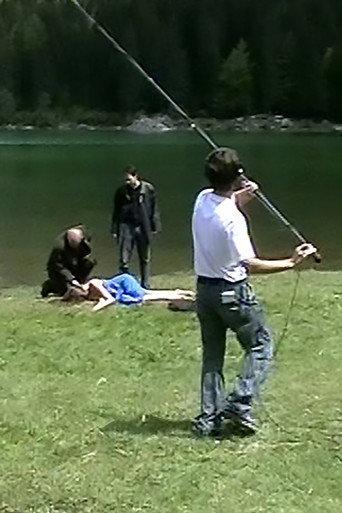
Documentary about Andrea Molaioli's film La Ragazza del Lago.
This documentary was distilled from a 3 1/2-hour television film Nessuno o Tutti, to make the point that many inmates now in mental hospitals could be released without harm to society, and to their advantage.
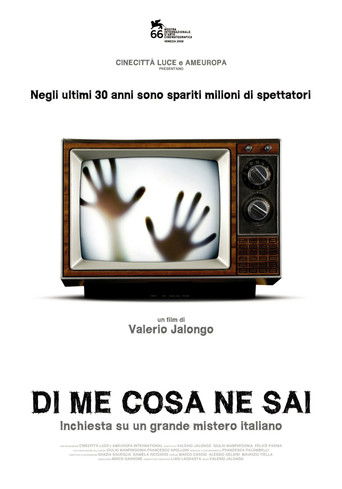
Until the 1970s, Italian cinema dominated the international scene, even competing with Hollywood. Then, in just a few years, came its rapid decline, the flight of our greatest producers, a crisis among the best writer-directors, the collapse of production. But what are the true causes and circumstances of this decline? In an attempt to provide an answer to this question, Di Me Cosa Ne Sai strives to depict this great cultural change. Begun as a loving examination of Italian cinema, the film transformed into a docu-drama that alternates between interviews with the great names of the past and fragments of cultural and political life of the last 30 years. It is a travel diary that shows Italy from north to south, through movie theatres; television-addicted kids; Berlusconi and Fellini; shopping centers; TV news editors; stories of impassioned film exhibitors and directors who fight for their films; and interviews with itinerant projectionists and great European directors.
Directed by a group of avant-garde filmmakers, the film is an investigation of the less edifying aspects of film industry.
Depressed magistrate Damiano Fortezza relocates from Milan to a small town in Campania, where the three Fontana sisters, owners of a chain of incinerators, dominate. The youngest, Eugenia, is about to marry a well-known crook Fortezza has to prosecute. However, he ends up falling in love with Eugenia and questioning the priorities of his job.
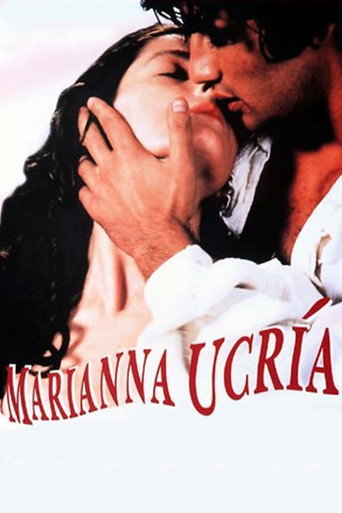
In 18th-century Sicily, deaf-mute highborn Marianna Ucrìa is forced to marry at age 13, bearing three children before even turning 16, when she finally gives birth to a boy. Despite everything, she'll find a way to emancipate herself from the oppressive social conventions of the time.
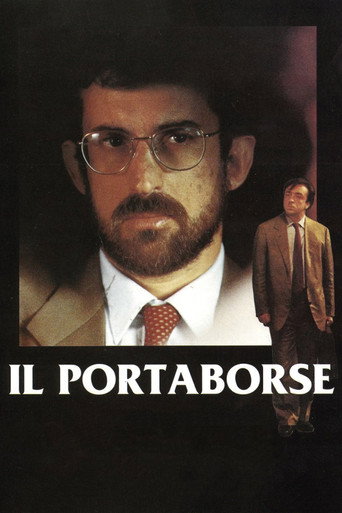
Cesare Botero, an ambitious and corrupt young minister, hires a new spokesman, honest and polite high school professor Luciano Sandulli.
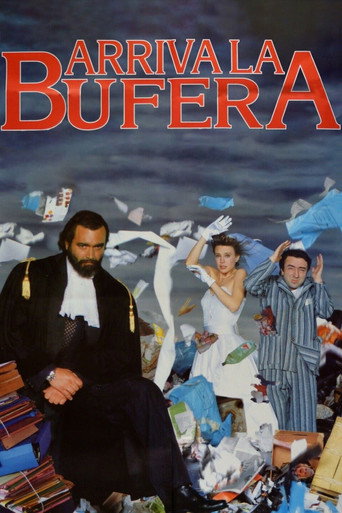
To avoid jail, a tax-dodging businessman is sentenced to a year of community service in a homeless shelter.
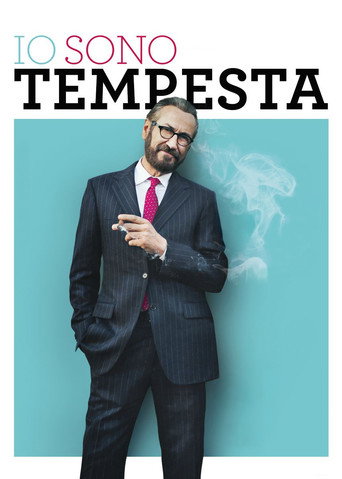
A narcissistic artist's world turns upside down after his wife's affair and a disastrous exhibition of his work.
Accio and Manrico are siblings from a working-class family in 1960s Italy: older Manrico is handsome, charismatic, and loved by all, while younger Accio is sulky, hot-headed, and treats life as a battleground — much to his parents' chagrin. After the former is drawn into left-wing politics, Accio joins the fascists out of spite, but his flimsy beliefs are put to test when he falls for Manrico's like-minded girlfriend.
After a fateful encounter in the summer of 1966, the lifepaths of two brothers from a middle-class Roman family diverge, intersecting with some of the most significant events of postwar Italian history in the following decades.