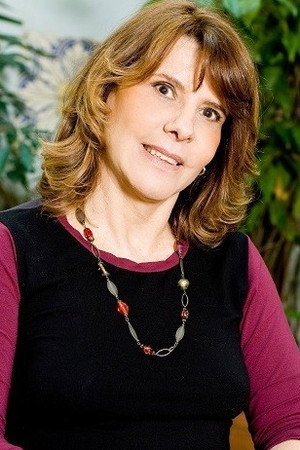
Sandra Werneck Movies, TV Shows, and Filmography
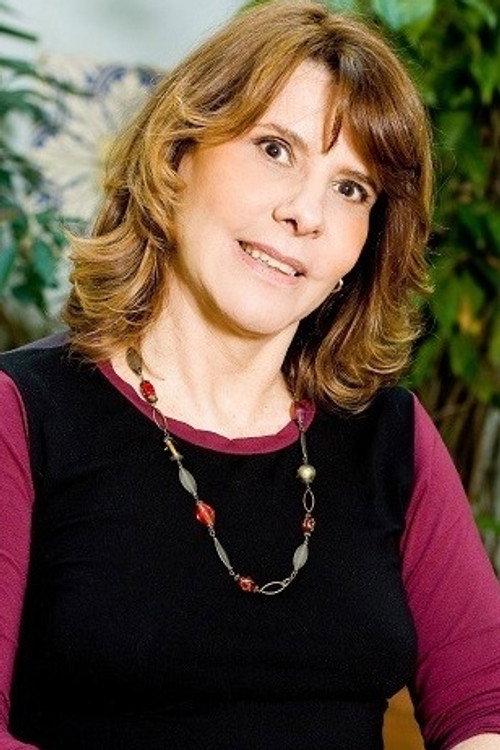
Sandra Werneck
Directing
Biography
Sandra Werneck (Rio de Janeiro, May 5, 1951) is a Brazilian film director known for Cazuza: Time Doesn’t Stop (2004), Little Book of Love (1997) and Possible Lovers (2001).
Filmography Movies
Acting

Cinema in 7 Colors
Cinema in 7 Colors traces an historical panorama of how the queer people were portrayed in the Brazilian silver screens, from its origin in the chanchadas of the 1950s up to the present day. The film investigates the origins of the prejudices, stereotypes, as well as the importance of the identification with constructive representations of these characters.

Brazilian Cinema in the 20th Century
Two years of research and visits to collections, cinematheques and museums; almost seventy interviews that generated 30 hours of recorded material; more than two hundred scanned photos and more than one hundred films watched. In total, more than a thousand hours of work were needed to prepare Brazilian Cinema in the 20th Century. The work is a fascinating journey through all the cinematic cycles that Brazil lived, from the pioneering Belle Époque, through the great studios like Atlântica and Cinédia, Cinema Novo, the urban comedies of the 70's, until the resumption in the late 90's. The documentary is unique, it gives the floor to who really wrote and lived this story intensely.
Production
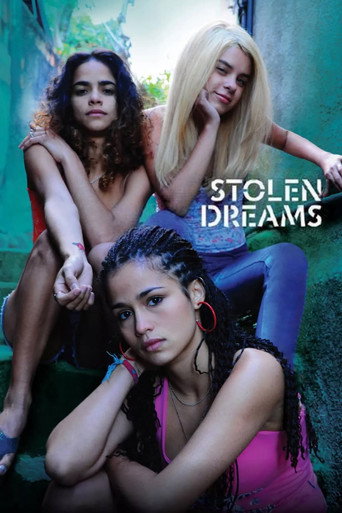
Stolen Dreams
Jessica, Sabrina and Daiane have dreams, just like all young people of any social class or place in the world. They live in a low-income neighborhood in the periphery of Rio de Janeiro and find in prostitution a way to survive and satisfy their consumer desires. However, even faced with the trials of absolute uncertainty and lack of hope, Jessica, Sabrina and Daiane insist on loving, having fun and planning their future.
Girls
Evelin, 13, is pregnant from a 22-year-old who recently left the drug trade. Luana, 15 years old, declares that she planned her pregnancy, as she wanted to have a child of her own. Edilene, 14 years old, is expecting Alex's child, who also got her neighbor Joice pregnant. Over the course of a year, the daily lives of these three young women are followed.
Girls
Evelin, 13, is pregnant from a 22-year-old who recently left the drug trade. Luana, 15 years old, declares that she planned her pregnancy, as she wanted to have a child of her own. Edilene, 14 years old, is expecting Alex's child, who also got her neighbor Joice pregnant. Over the course of a year, the daily lives of these three young women are followed.
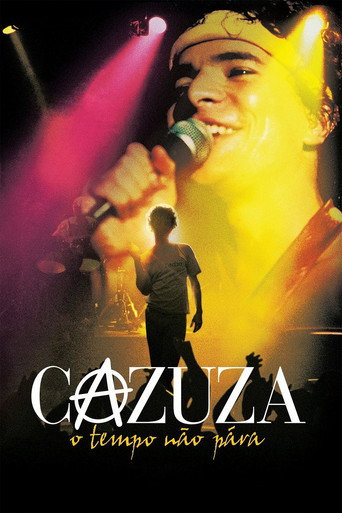
Cazuza: Time Doesn't Stop
Inspired by the moving book “Só as Mães São Felizes”, by Lucinha Araújo, Cazuza's mother, the film covers a little more than 10 years of the singer’s crazy and brief life – from the beginning of his career in the Circo Voador venue, in 1981, to the huge success and the apotheosis of his shows with the Barão Vermelho band, his solo career, his relations with his parents, friends, lovers and passions, and the courage he had to face his final years, with HIV, until his death, in 1990.
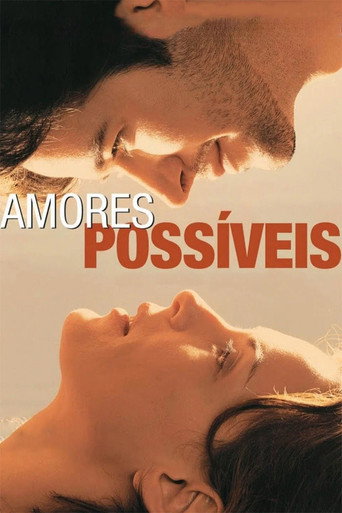
Possible Loves
Fifteen year ago, Carlos went to the cinema to meet Júlia, his university colleague with whom he was in love. She never showed up. Carlos was left waiting in the lobby alone. While he waits, something happens which will change his life. A scene, an encounter, an unfinished sentence... Something insignificant, but which will determine the character's life. Fifteen years later, we follow three completely different versions of Carlos's life. In one, he is a man divided between the stability of a secure life in a lukewarm marriage, and the growing desire to live a great love affair. In the second, he is homosexual and places passion above all else. In the third possible life, Carlos is a man who hasn't yet discovered love, and lives through successive disastrous relationships in search of the perfect woman. One of them is his real life. Another is not his life. And a third is the life he'd like to lead. Which is his true life ?
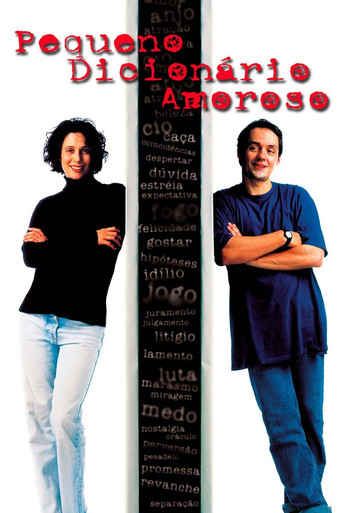
Little Book of Love
Luiza is an architect who just got out of a ruinous relationship. Gabriel is a biologist and he has finished a long marriage with divorce. When they both meet, chances that they can do well together are not that big. But they will try to, even if their friends Barata (a convict bachelor totally skeptical when it comes to love) and Marta (a mathematic analyst who wishes that human relations were just as exact as numbers are) think otherwise.
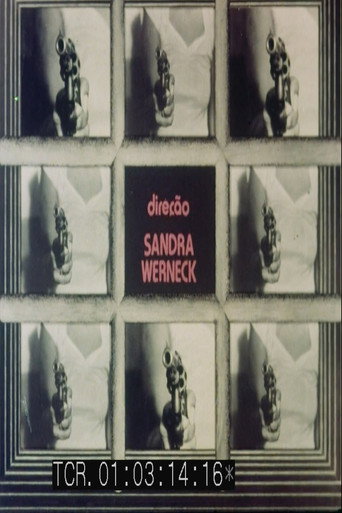
Pena Prisão
A documentary dramatized on the daily life of a women's prison: Instituto Penal Talavera Bruce, in Bangu, Rio de Janeiro. The film reveals the struggle for survival within this micro-society that is formed between the walls, the relationship of these women with the penal institution, with justice and with the outside world. Through work, leisure, leisure, affective relationships and the social and sexual roles that each one assumes in prison, the film shows the relationship between people, the struggle for survival within this micro-society that is formed between the walls, the relationship of these women with the penal institution, with justice, and with the outside world.
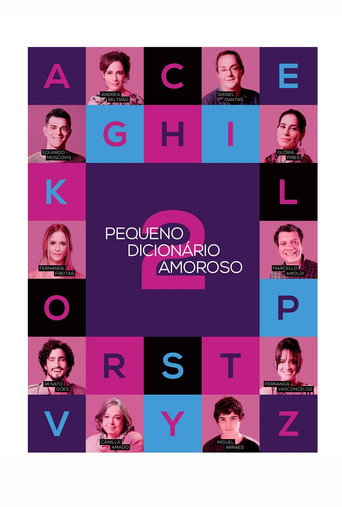
Little Book of Love 2
Fifteen years after their split, a man and woman reconnect during a chance encounter and reconsider their new loves and lives.
Os Outros
A documentary on cover artists.
Stolen Dreams
Jessica, Sabrina and Daiane have dreams, just like all young people of any social class or place in the world. They live in a low-income neighborhood in the periphery of Rio de Janeiro and find in prostitution a way to survive and satisfy their consumer desires. However, even faced with the trials of absolute uncertainty and lack of hope, Jessica, Sabrina and Daiane insist on loving, having fun and planning their future.
Gallery