Sandra Lahire Movies, TV Shows, and Filmography
Sandra Lahire
Directing
Biography
Sandra Lahire was born in 1950. She studied Philosophy at the University of Newcastle-on-Tyne (BA), Fine Art Film at St Martins School of Art (BA 1984) and Film & Environmental Media at the Royal College of Art (MA 1986). Her films have been shown nationally and internationally at cinemas and festivals including Creteil, Locarno, Berlin, Montreal, Sao Paolo, Turin, Jerusalem, Australia and the Philippines. Writings include Lesbians in Media Education published in Visibly Female (ed Hilary Robinson, Camden Press 1987) and articles for Undercut. She also wrote a musical score for Lis Rhodes' film Just About Now. She passed away in 2001.
Filmography Movies
Acting
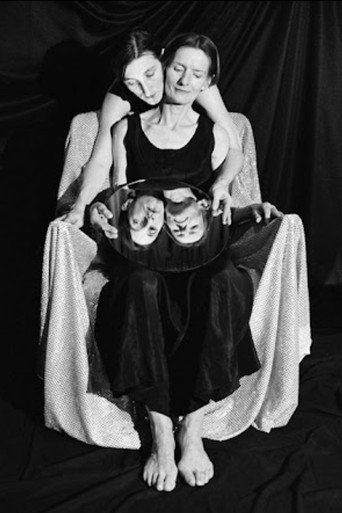
Stages of Mourning
Ritualised through performance to camera, Stages of Mourning is Pucill’s journey of bereavement. In as much as this is a meditation on coming to terms with loss, the film is an exploration of how our relationship with the dead is made different through film. The artist orders image fragments of her late lover and collaborator, Sandra Lahire. By trying to physically immerse herself into photographs and film footage or by restaging these, Pucill forms a continuous stream of a life of two lovers. Through this doubling and layering, illusions accumulate as if these were a product of a machine that didn’t stop.
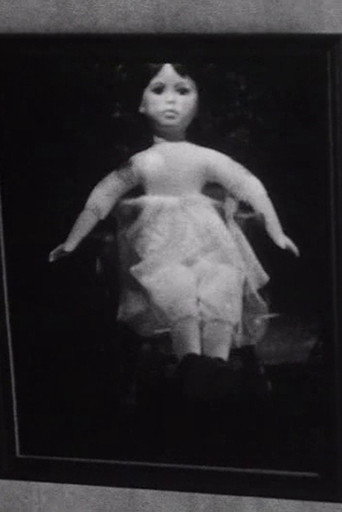
Cast
Cast creates a claustrophobic and haunting space where people and things invade worlds in which they do not normally belong. Lifeless dolls are heaped inside drawers, dolled-up life size figures lie motionless on a windy beach at the water’s edge; a chair rocks in an empty room, a mirror reflects and observes, and a chest of drawers is caressed by the sea. The film has a dramatic sensibility that sets up a false promise of narrative. Its structure, instead, is akin to that of dreams where different scenic spaces collapse and the inanimate and animate interchange. Wide-angled perspectives, shifting points of view and juxtapositions of sound and silence force inner and outer realities to collide, creating an unsettling psychic world.
Arrows
Arrows uses a combination of live action and rostrum work to communicate the experience of anorexia and to analyse the cultural causes of the condition. 'I am so aware of my body', we are told on the soundtrack, whilst images of caged wild birds are intercut with images of the rib cage of the film's subject, the film-maker herself. The pressures placed upon women to be thin are articulated by an account of a new technique for surgical removal of fat. Once again, a woman who does not conform to male expectations in terms of her body-shape is classified as sick, in need of surgery. The constantly recurring motif of cages, bars and railway lines reiterates the feeling of entrapment throughout the film. Yet, taking the camera into her own hands, and revealing this process to the spectator by using a mirror, the film-maker shows herself in control of this representation of a woman's body.
Production

Serpent River
Beautiful but often violent images are interwoven to create an experimental documentary about the hazardous existence of the Serpent River community living in the shadow of uranium mines in Ontario Canada.
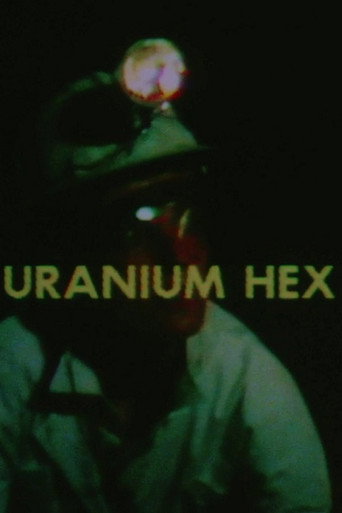
Uranium Hex
A memory-using location film of a stay with a uranium mining community. Using a kaleidoscopic array of experimental techniques, this film explores uranium mining in Canada and its destructive effects on both the environment and the women working in the mines. A plethora of images ranging from the women at work to spine-chilling representations of cancerous bodies are accompanied by unnerving industrial sounds and straightforward information from some of the women.
Lady Lazarus
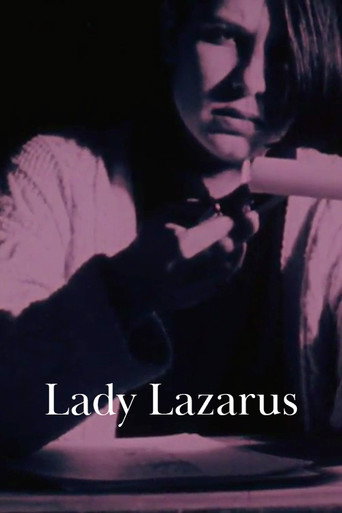
A cinematographic response to Sylvia Plath’s Lady Lazarus with Plath’s own readings of her poetry. A carousel of images in windows, an atmosphere of constant metamorphosis; her poetry as cinema. Audo outtakes of Plath reading from "Cut," "Daddy," "Lady Lazarus," "Ariel," "Ouija," as well as excerpts from a 1962 interview. Mixing images of Plath's obsessions (ouija boards, horses, violent self-harm) with photographs of the poet and her work, the film delves deeply into an existence that Plath herself, in a voice-over interview, calls "living on air."
Lady Lazarus
A cinematographic response to Sylvia Plath’s Lady Lazarus with Plath’s own readings of her poetry. A carousel of images in windows, an atmosphere of constant metamorphosis; her poetry as cinema. Audo outtakes of Plath reading from "Cut," "Daddy," "Lady Lazarus," "Ariel," "Ouija," as well as excerpts from a 1962 interview. Mixing images of Plath's obsessions (ouija boards, horses, violent self-harm) with photographs of the poet and her work, the film delves deeply into an existence that Plath herself, in a voice-over interview, calls "living on air."
Arrows
Arrows uses a combination of live action and rostrum work to communicate the experience of anorexia and to analyse the cultural causes of the condition. 'I am so aware of my body', we are told on the soundtrack, whilst images of caged wild birds are intercut with images of the rib cage of the film's subject, the film-maker herself. The pressures placed upon women to be thin are articulated by an account of a new technique for surgical removal of fat. Once again, a woman who does not conform to male expectations in terms of her body-shape is classified as sick, in need of surgery. The constantly recurring motif of cages, bars and railway lines reiterates the feeling of entrapment throughout the film. Yet, taking the camera into her own hands, and revealing this process to the spectator by using a mirror, the film-maker shows herself in control of this representation of a woman's body.
Uranium Hex
A memory-using location film of a stay with a uranium mining community. Using a kaleidoscopic array of experimental techniques, this film explores uranium mining in Canada and its destructive effects on both the environment and the women working in the mines. A plethora of images ranging from the women at work to spine-chilling representations of cancerous bodies are accompanied by unnerving industrial sounds and straightforward information from some of the women.
Lady Lazarus
A cinematographic response to Sylvia Plath’s Lady Lazarus with Plath’s own readings of her poetry. A carousel of images in windows, an atmosphere of constant metamorphosis; her poetry as cinema. Audo outtakes of Plath reading from "Cut," "Daddy," "Lady Lazarus," "Ariel," "Ouija," as well as excerpts from a 1962 interview. Mixing images of Plath's obsessions (ouija boards, horses, violent self-harm) with photographs of the poet and her work, the film delves deeply into an existence that Plath herself, in a voice-over interview, calls "living on air."
Terminals
A filmic exploration of the working conditions of female workers at nuclear power stations. Voices of women describe their heightened exposure to the risks of lung cancer, miscarriage, Down syndrome or neurological damage. Echoing the way that the nuclear workers’ bodies are harmed by exposure to radiations, the filmstrip is constantly overexposed, burned to the point of the image’s near disappearance. Sandra Lahire (1950-2001) was a central figure in the experimental feminist filmmaking that emerged in the UK in the 1980s. She made a number of films addressing the dangers of nuclear power.
Serpent River
Beautiful but often violent images are interwoven to create an experimental documentary about the hazardous existence of the Serpent River community living in the shadow of uranium mines in Ontario Canada.
Eerie
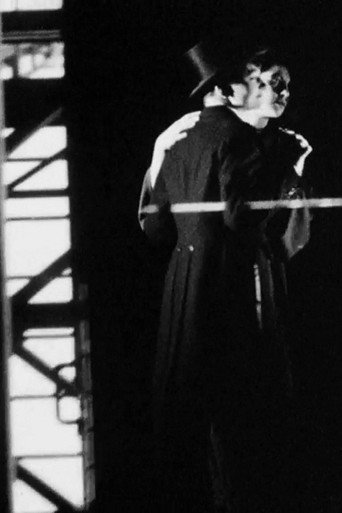
Eerie is a vertiginous short film with the rhythmic quality of a loop or a magic ride on a Ferris wheel. The protagonists are two lovers in a cable car, high above the slopes of Mount Pilates. Exuding 1920s Berlin lesbian decadence, the film features in-camera dissolves inspired by German expressionist filmmaking. Sandra Lahire (1950-2001) was a central figure in the experimental feminist filmmaking that emerged in the UK in the 1980s.