Sandra Davis Movies, TV Shows, and Filmography
Sandra Davis
Directing
Biography
No biography available.
Filmography Movies
Production
Crepescule Pond and Chair
CREPESCULE POND AND CHAIR is a little elegy song, simultaneously celebrating a life and mourning a family's personal loss. Disabled by muscular dystrophy, Sandra Davis' brother used a wheelchair for most of his life. Despite the long, gradual degeneration of his physical condition, he lived with great spirit and heart, married, raised two children, volunteered for his church, and was still working at his profession and building a fish pond on his land, when he died suddenly of complications of MD at age 52. When the filmmaker herself was disabled in an auto accident, his attitude of practical adaptations to physical impairments was one that made it easier for her. In an irony of life, a little Christmas message from him arrived two days after his sudden death. This event impelled Davis to respond with a film. The chair was his mobility in life; the pond he created was his dream.
Une fois habiteé
Some particular spaces, inhabited awhile ago. Looking back into the Parisian courtyard, looking at the ladies at the villa, looking into the secrets of the chapel of the delinquents. Light sculpts space; shadow describes form.
Ignorance Before Malice
Sandra Davis' angry reflection on her recovery from a serious car accident and her subsequent mistreatment from condescending doctors and inept insurance agents forms the foundation of IGNORANCE BEFORE MALICE. Named for Hanlon's Razor (the idea that one should never attribute to cruelty what could be explained by stupidity), the film combines first-person text intertitles, third-person narration and MRI scans of Davis' brain to evoke a sterile (yet fiery) takedown of the modern medical practices that depleted the filmmaker both financially and emotionally. - Tom Fritsche
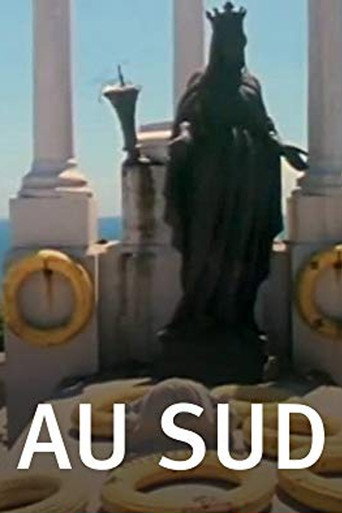
Au sud
The specific colors and tones and rhythms of a place in the south of France. The dryness of gold, the rock of plateau, the cemetery of the sailors, the echoes of fishermen and artists, the memory of Paul Valery. And water everywhere.
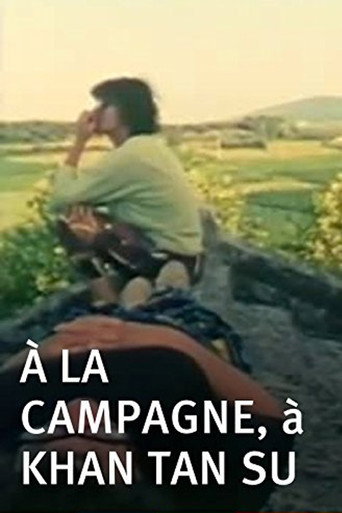
À la campagne, à Khan Tan Su
The colors and breezes of the countryside and house in Normandy. The blue crockery, the yellow lichen, and where the key in the monastery kitchen leads.
For a Young Filmmaker
Sandra Davis' short film is an ode to a "reverence of moment and passion of place." Overlapping layers of voices (in French and English) accompany Davis' mesmerizing cinematographic technique, emphasizing light-infused qualities of the photographic frame. Reminiscence of her time spent in Paris as an au paire and her youth in Salinas join a chorus, mingling with an outdated record of French instructions and Catherine Denueve reading Rainer Maria Rilke's "Letters to a Young Poet." - Stela Jelincic
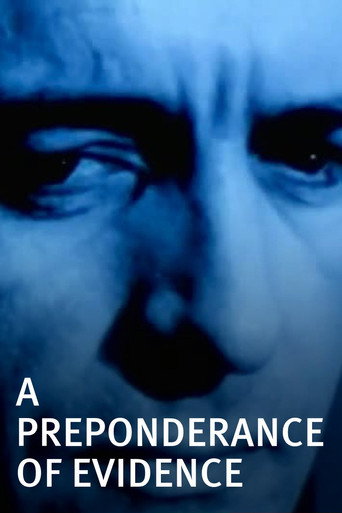
A Preponderance of Evidence
The stories of three women intertwine in voiceover to Sandra Davis' collage of contradictory images: a Florida swamp, mermaids, the majestic medieval architecture of Europe, Anita Hill before Congress and abstract color and light, interspersed with bits of 1950s educational films. These are shocking testimonies about the burden of female identity: illegal abortions performed in the '50s without anesthesia; the dynamics of the relationship between husbands and wives; the inability to participate in the enjoyment of sex. A mixture of documentary and narrative filmmaking, Davis' powerful film is a personal female journey to deconstruct the burden of inherited identity. - Stela Jelincic
Maternal Filigree
An exploration of life in the female body.
Matter of Clarity
The third part of the trilogy, MATTER OF CLARITY completes this particular cycle of discovery, and brings to resolution these themes, grounded in matter. "... rich tactile images of the natural world ...
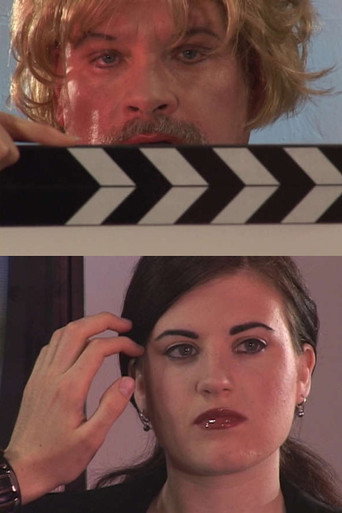
That Woman
That Woman uses as source material the original Barbara Walters interview with Monica Lewinsky, which is intercut with a re-staging of the interview. Ms. Lewinsky is played by a women bearing a remarkable physical resemblance to the original, and Barbara Walters is played by George Kuchar. The make-up, costumes, set, lighting, and camera set-ups, are a facsimile of the original, albeit without the stunning high-production values displayed in the network original.