Acting
No biography available.
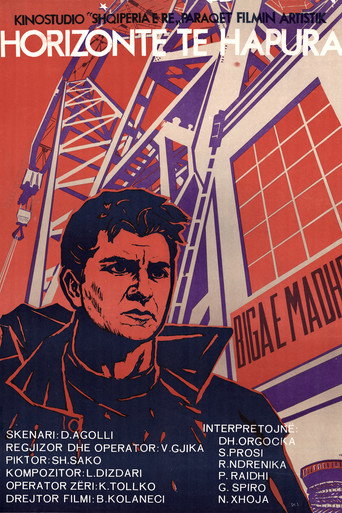
In 1968, Horizonte Te Hapura, directed by Viktor Gjika, one of the pioneers of Albanian moviemaking, broke new ground. Its subject matter was contemporary, rather than being a historical piece or an action drama set among the partisans of World War II. In the story, a dockworker sees that a crane, a crucial piece of shipyard equipment, is being endangered by a violent storm, and despite considerable danger to himself works to save it. ~ Clarke Fountain, Rovi
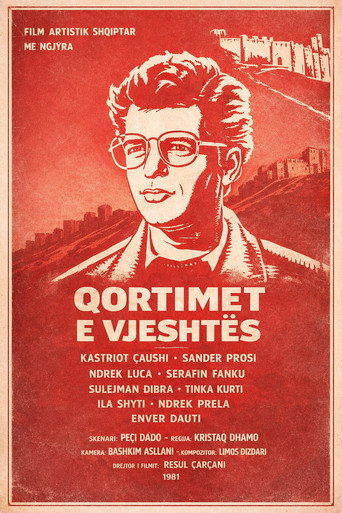
In 1930s Albania, revolutionary student Kujtimi uses his camera to capture the poverty and oppression under King Zog’s regime. Moved by what he sees, he risks surveillance and persecution to spread progressive communist ideas and rally fellow citizens toward social change.
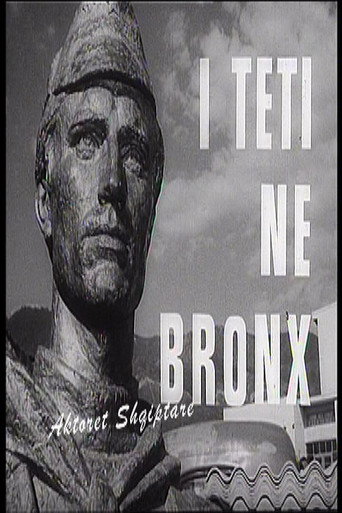
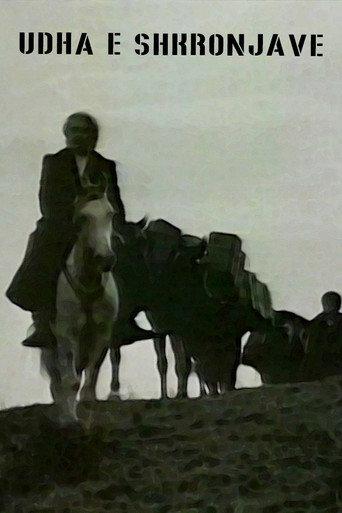
On the anniversary of the death of Commissioner Ibrahim Kovaçi, six of his war friends are accompanying his statue to his native village, where a ceremony will be held. During the road, each of them remembers moments related to the life of Ibrahim.
Todri, a patriotic teacher, returns in his homeland to bring the Albanian letters.
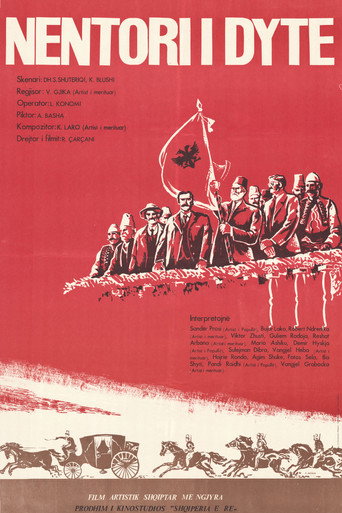
A historical drama focusing on the days leading up to Albania's declaration of independence from the Ottoman Empire in November 1912.
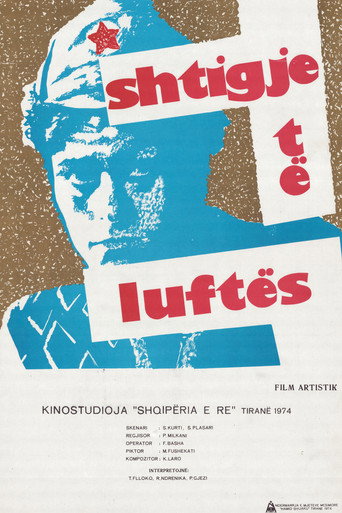
World War II - a famous warrior and a villager face the destruction of their village and heroically lead the people in a rebellion.
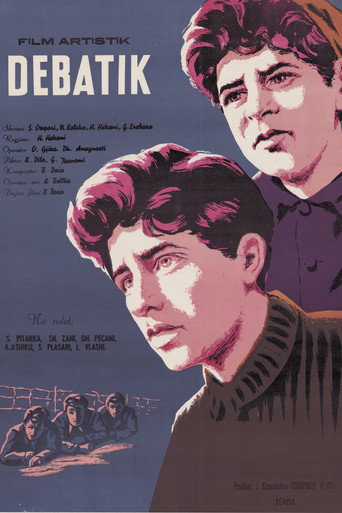
Three years after the fascist occupation, a group of children create the anti-fascist organization called "Debatik". Coli, an orphan boy, manages to become a member.
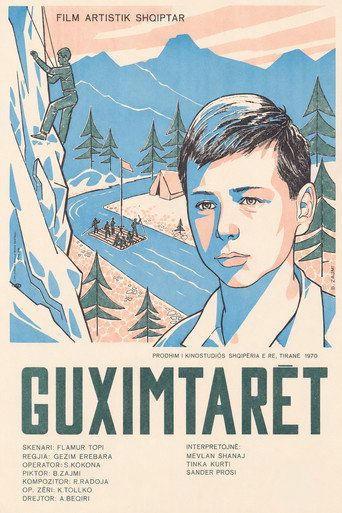
Ilir is a pampered and egoistic child. However, his outlook on life changes when he goes on a trip with a group of mountain climbers.
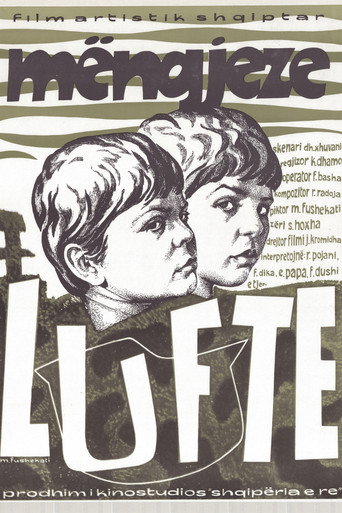
World War II. A group of kids try to sabotage the enemy whichever way they can.
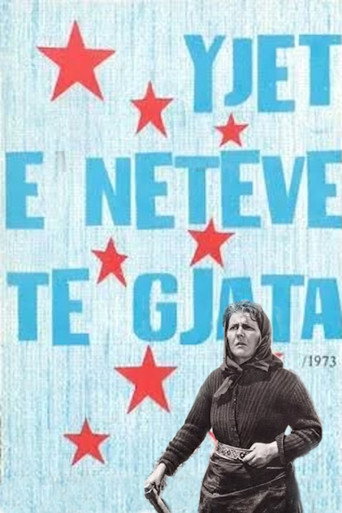
World War II. The fascists kill a boy and invite his mother to identify the body, but she refuses.