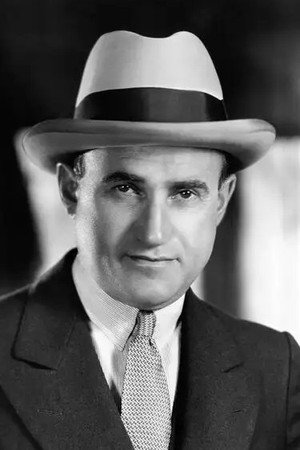
Samuel Goldwyn Movies, TV Shows, and Filmography
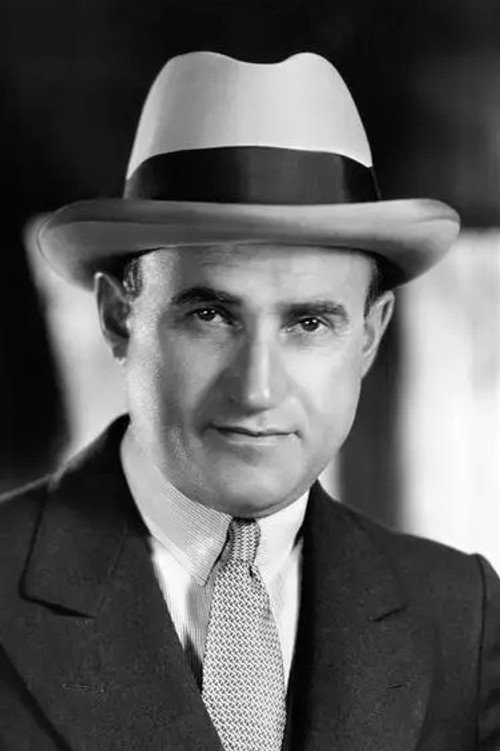
Samuel Goldwyn
Production
Biography
Samuel Goldwyn (born Szmul Gelbfisz), also known as Samuel Goldfish, was a Polish American film producer. He was most well known for being the founding contributor and executive of several motion picture studios in Hollywood. In 1916, Goldwyn partnered with Broadway producers Edgar and Archibald Selwyn, using a combination of both names to call their movie-making enterprise Goldwyn Pictures. Seeing an opportunity, Samuel Gelbfisz then had his name legally changed to Samuel Goldwyn, which he used for the rest of his life. Goldwyn Pictures proved successful but it is their Leo the Lion trademark for which the organization is most famous. On April 10, 1924, Goldwyn Pictures was acquired by Marcus Loew and merged into his Metro Pictures Corporation. Despite the inclusion of his name, Goldwyn had no role in the management or production at Metro-Goldwyn-Mayer. Before the sale and merger of Goldwyn Pictures in April 1924, Goldwyn had established Samuel Goldwyn Productions in 1923 as a production-only operation (with no distribution arm). Their first feature was Potash and Perlmutter, released in September 1923 through First National Pictures. Some of the early productions bear the name Howard Productions, named for Goldwyn's wife Frances Howard. For 35 years, Goldwyn built a reputation in filmmaking and developed an eye for finding the talent for making films. William Wyler directed many of his most celebrated productions, and he hired writers such as Ben Hecht, Sidney Howard, Dorothy Parker, and Lillian Hellman. (According to legend, at a heated story conference Goldwyn scolded someone —in most accounts Mrs. Parker, who recalled he had once been a glove maker— with the retort: “Don't you point that finger at me. I knew it when it had a thimble on it!” During that time, Goldwyn made numerous films and reigned as the most successful independent producer in the US. Many of his films were forgettable; his collaboration with John Ford, however, resulted in Best Picture Oscar nomination for Arrowsmith (1931). William Wyler was responsible for most of Goldwyn's highly lauded films, with Best Picture Oscar nominations for Dodsworth (1936), Dead End (1937), Wuthering Heights (1939), The Little Foxes (1941) and The Best Years of Our Lives (1948). The leading actors in several of Goldwyn films, especially those directed by William Wyler, were also Oscar-nominated for their performances. Throughout the 1930s, Goldwyn released all his films through United Artists, but beginning in 1941, and continuing almost through the end of his career, Goldwyn released his films through RKO Radio Pictures. Goldwyn died at his home in Los Angeles in 1974 from natural causes, at the probable age of 94. He was interred in the Forest Lawn Memorial Park Cemetery in Glendale, California. In the 1980s, Samuel Goldwyn Studio was sold to Warner Bros. There is a theater named after him in Beverly Hills and he has a star on the Hollywood Walk of Fame at 1631 Vine Street.
Filmography Movies
Acting
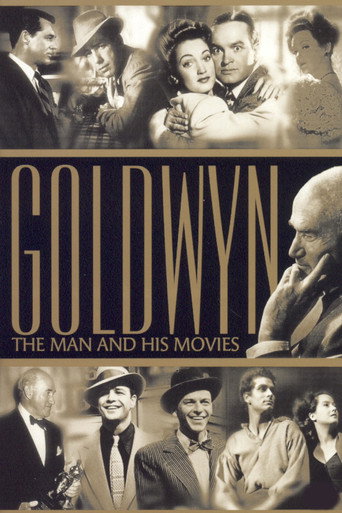
Goldwyn: The Man and His Movies
The life and work of Samuel Goldwyn, a Polish-born glove salesman who became one of Hollywood's greatest independent producers, is remembered in this classy documentary created for the PBS American Masters series. Based on A. Scott Berg's acclaimed biography, the film includes new interviews with Goldwyn's surviving family members as well as vintage interviews with such luminaries as Bette Davis, John Huston, Laurence Olivier and others.
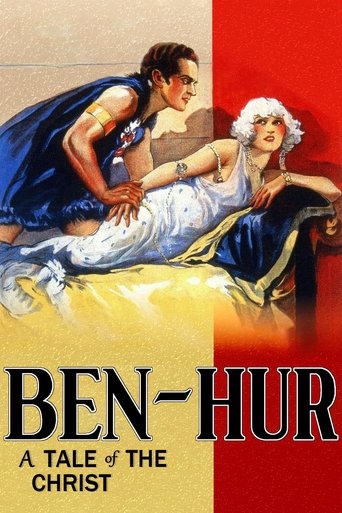
Ben-Hur: A Tale of the Christ
Erstwhile childhood friends, Judah Ben-Hur and Messala meet again as adults, this time with Roman officer Messala as conqueror and Judah as a wealthy, though conquered, Israelite. A slip of a brick during a Roman parade causes Judah to be sent off as a galley slave, his property confiscated and his mother and sister imprisoned. Years later, as a result of his determination to stay alive and his willingness to aid his Roman master, Judah returns to his homeland an exalted and wealthy Roman athlete. Unable to find his mother and sister, and believing them dead, he can think of nothing else than revenge against Messala.
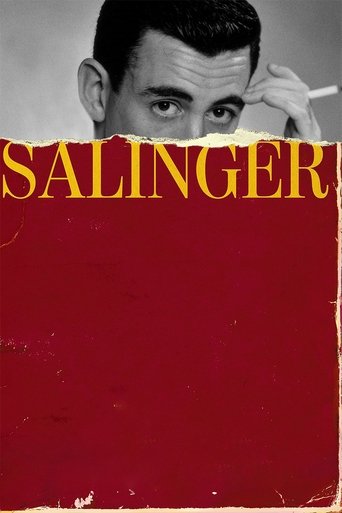
Salinger
An in-depth investigation into the private world of the American writer J. D. Salinger (1919-2010), who lived most of his life behind the impenetrable wall of a self-imposed seclusion: how his dramatic experiences during World War II influenced his life and work, his relationships with very young women, his obsessive writing methods, his many literary secrets.
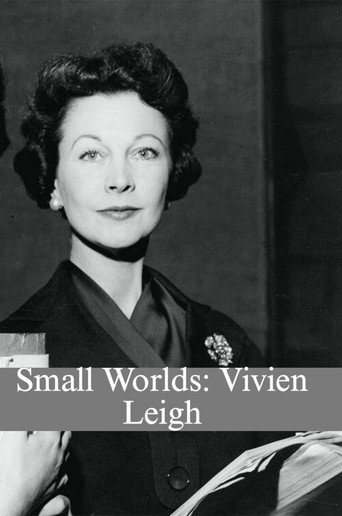
Small world: Vivien Leigh
Acclaimed film and theatre Actress Vivien Leigh, producer Samuel Goldwyn and critic Kenneth Tynan join Edward R. Murrow in a filmed conversation.
Production
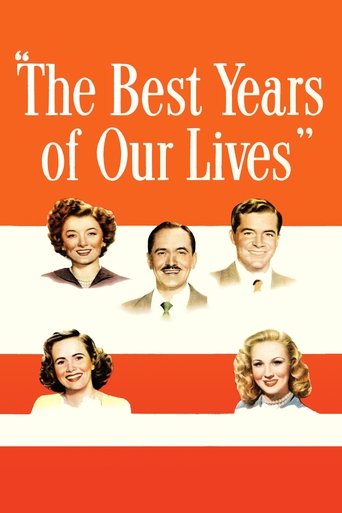
The Best Years of Our Lives
It's the hope that sustains the spirit of every GI: the dream of the day when he will finally return home. For three WWII veterans, the day has arrived. But for each man, the dream is about to become a nightmare.
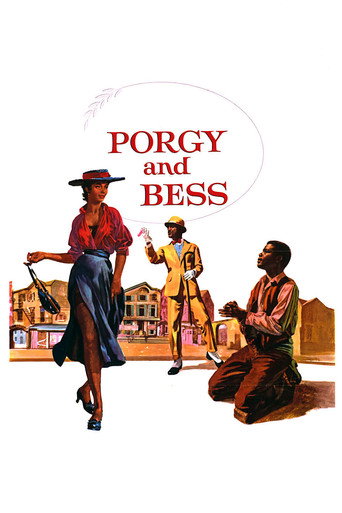
Porgy and Bess
In the early 1900s, the fictional Catfish Row section of Charleston, South Carolina serves as home to a black fishing community. Crippled beggar Porgy, who travels about in a goat-drawn cart, loves the drug-addicted Bess, who lives with stevedore Crown, the local bully.
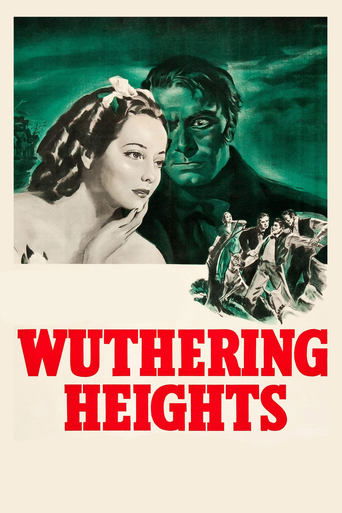
Wuthering Heights
Young orphan Heathcliff is adopted by the wealthy Earnshaw family and moves into their estate, Wuthering Heights. Soon, the new resident falls for his compassionate foster sister, Cathy. The two share a remarkable bond that seems unbreakable until Cathy, feeling the pressure of social convention, suppresses her feelings and marries Edgar Linton, a man of means who befits her stature. Heathcliff vows to win her back.
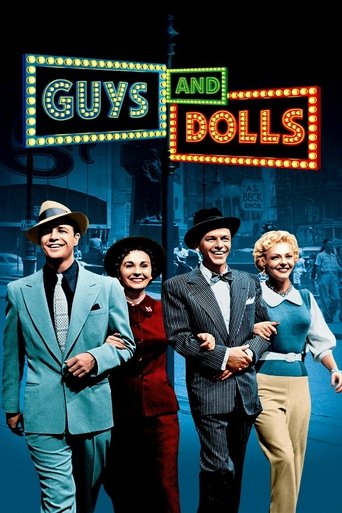
Guys and Dolls
In New York, a gambler is challenged to take a cold female missionary to Havana, but they fall for each other, and the bet has a hidden motive to finance a crap game.
Ben-Hur: A Tale of the Christ
Erstwhile childhood friends, Judah Ben-Hur and Messala meet again as adults, this time with Roman officer Messala as conqueror and Judah as a wealthy, though conquered, Israelite. A slip of a brick during a Roman parade causes Judah to be sent off as a galley slave, his property confiscated and his mother and sister imprisoned. Years later, as a result of his determination to stay alive and his willingness to aid his Roman master, Judah returns to his homeland an exalted and wealthy Roman athlete. Unable to find his mother and sister, and believing them dead, he can think of nothing else than revenge against Messala.
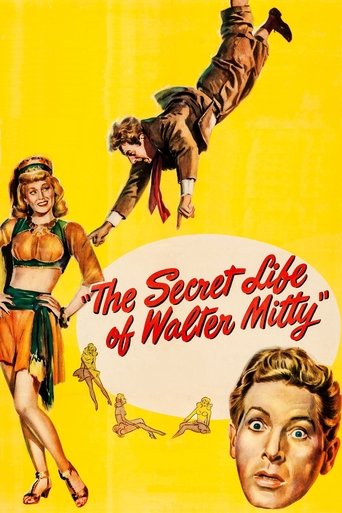
The Secret Life of Walter Mitty
Walter Mitty, a daydreaming writer with an overprotective mother, likes to imagine that he is a hero who experiences fantastic adventures. His dream becomes reality when he accidentally meets a mysterious woman who hands him a little black book. According to her, it contains the locations of the Dutch crown jewels hidden since World War II. Soon, Mitty finds himself in the middle of a confusing conspiracy, where he has difficulty differentiating between fact and fiction.
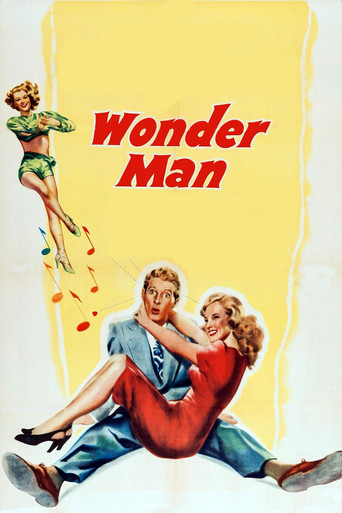
Wonder Man
Boisterous nightclub entertainer Buzzy Bellew was the witness to a murder committed by gangster Ten Grand Jackson. One night, two of Jackson's thugs kill Buzzy and dump his body in the lake at Prospect Park in Brooklyn. Buzzy comes back as a ghost and summons his bookworm twin, Edwin Dingle, to Prospect Park so that he can help the police nail Jackson.
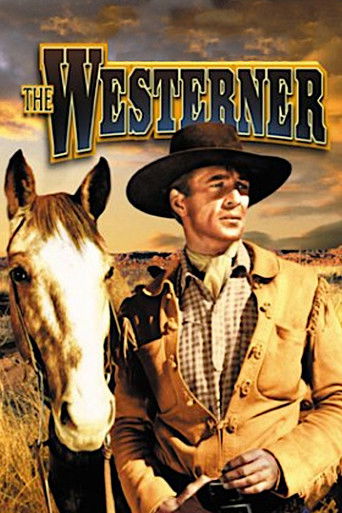
The Westerner
Drifter Cole Harden is accused of stealing a horse and faces hanging by self-appointed Judge Roy Bean, but Harden manages to talk his way out of it by claiming to be a friend of stage star Lillie Langtry, with whom the judge is obsessed, even though he has never met her. Tensions rise when Harden comes to the defense of a group of struggling homesteaders who Judge Bean is trying to drive away.
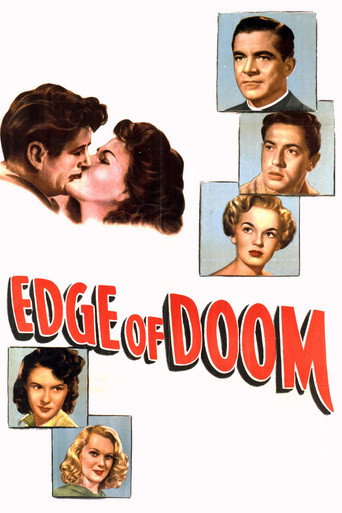
Edge of Doom
A priest sets out to catch the man who killed one of his colleagues.
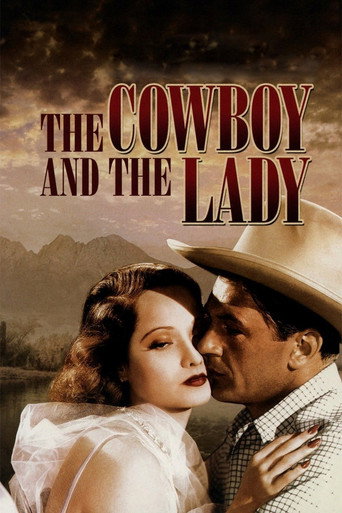
The Cowboy and the Lady
Mary Smith decides after a lifetime of being a shut-in to do something wild while her father is out campaigning for the presidency, so she takes off for the family's home in West Palm Beach and inadvertently becomes romantically entangled with earnest cowboy Stretch Willoughby. Neither the dalliance nor the cowboy fit with the upper class image projected by her esteemed father, forcing her to choose.
Gallery