Sami van Ingen Movies, TV Shows, and Filmography
Sami van Ingen
Directing
Biography
Sami van Ingen is one of the pioneers of experimental filmmaking in Finland. He has made over 30 short films, mostly dealing subtly with the act of seeing and using various strategies to manipulate found or forgotten footage. His films have been screened at festivals like Edinburgh Film Festival, Image Forum Tokyo, Kurzfilmtage Oberhausen, Bienal de la Imagen en Movimiento in Buenos Aires and in institutions like National Gallery of Art in Washington, Centre Pompidou in Paris and Anthology Film Archives in New York.
Filmography Movies
Acting
Butter
Experimental. Silent. No dialogue. Sami van Ingen is a veteran in alternative Finnish film, who has worked as an artist, lecturer and curator since the late 1980s.
Cast of Shadows
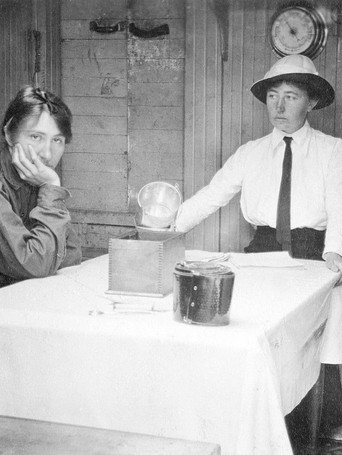
Sami van Ingen continues to explore the Flaherty film family with Cast of Shadows, which questions how much memories, images and end credits can lie.
Production
Sweep
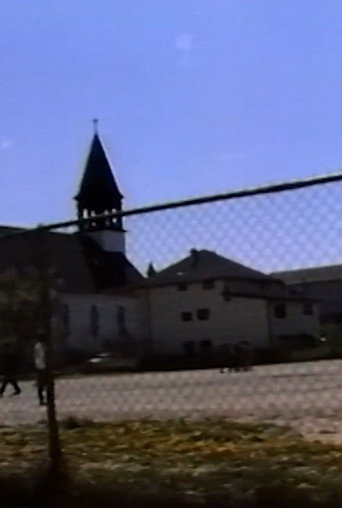
Sweep is a road movie to memory, a realization of the need to review footsteps and past events which build myths. The camera gazes at the spaces in-between image and text, photography and memory, body and place. The surface texture of the film, like the land north of Lake Superior, is overdetermined by the discourse of territorialism, the cultural divisions of space and place framed and divided amid the ruins of history. An irritating buzz overlays parts of the soundtrack, signifying the hydro-electric development that has irreparably disrupted life in the north, while at the same time extending a modicum of material benefits. The filmmakers understand themselves as embodying this southern technocracy, and choose to turn the camera onto their own presence and progress of looking. Here, they work against the tendency, present since the days of Flaherty and in his more recent imitators, to objectify Aboriginal peoples within an unnameable (and thus exploitable) landscape.
The Sequent of Hanna Ave.
The Sequent of Hanna Ave. is the result of my re-workings of some experimental film practices and my enquiries in to the phenomena of the movement-illusionism in the film form. By combining found footage, hand processing and hi-end digital technology, I elevate a few mundane gestures to a new perceptible wholeness, and give some fat fingers and a c-cassette tape all the attention, grace and drama they deserve.
Sweep
Sweep is a road movie to memory, a realization of the need to review footsteps and past events which build myths. The camera gazes at the spaces in-between image and text, photography and memory, body and place. The surface texture of the film, like the land north of Lake Superior, is overdetermined by the discourse of territorialism, the cultural divisions of space and place framed and divided amid the ruins of history. An irritating buzz overlays parts of the soundtrack, signifying the hydro-electric development that has irreparably disrupted life in the north, while at the same time extending a modicum of material benefits. The filmmakers understand themselves as embodying this southern technocracy, and choose to turn the camera onto their own presence and progress of looking. Here, they work against the tendency, present since the days of Flaherty and in his more recent imitators, to objectify Aboriginal peoples within an unnameable (and thus exploitable) landscape.
Bruce Baillie Study Reel
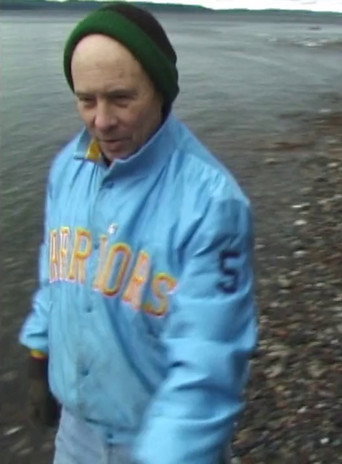
Finnish filmmaker Sami van Ingen, a great-grandson of Robert Flaherty, made an expedition to the residence of Bruce Baillie not long after the turn of the century and documented the results of his visit. Study Reel is, as Baillie described it in a letter to the Brazilian magazine Tropico, "filled with commentary on various of the films along with the one-hour video of myself and family".
Fokus
"Fokus is a stirring viewing experience. It is based on an extremely minimal visual form: contrasts, textures and glowing colors. Its visual language consists of highly magnified and slowed images. Surface of the film material, the film grain and other anomalies function as integral parts of the whole. Van Ingen's rigorous structuralist methods have produced beautiful, emotionally touching and many-layered results. Fokus is as close to the art of painting as cinema can possibly strive to be. " M.T
Monica in the South Seas
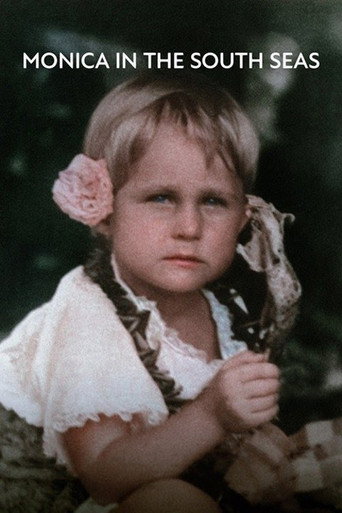
Finnish filmmaker and artist Sami van Ingen is a great-grandson of documentary pioneer Robert Flaherty, and seemingly the sole member of the family with a hands-on interest in continuing the directing legacy. Among the materials he found in the estate of Robert and Frances Flaherty’s daughter Monica were the film reels and video tapes detailing several years of work on realising her lifelong dream project: a sound version of her parents’ 1926 docu-fiction axiom, Moana: A Romance of the Golden Age.
Monica in the South Seas
Finnish filmmaker and artist Sami van Ingen is a great-grandson of documentary pioneer Robert Flaherty, and seemingly the sole member of the family with a hands-on interest in continuing the directing legacy. Among the materials he found in the estate of Robert and Frances Flaherty’s daughter Monica were the film reels and video tapes detailing several years of work on realising her lifelong dream project: a sound version of her parents’ 1926 docu-fiction axiom, Moana: A Romance of the Golden Age.
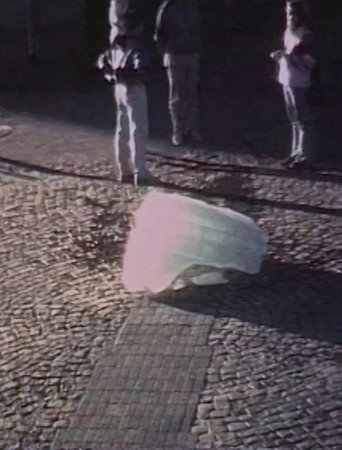
Summer-Winter-Summer
A documentation of an installation in Oulu 1991: An 8000Kg ice cube. A process where a passerby is faced with something familiar in a way that some element of normality is transformed to abnormal.
Butter
Experimental. Silent. No dialogue. Sami van Ingen is a veteran in alternative Finnish film, who has worked as an artist, lecturer and curator since the late 1980s.
Texas Scramble
Texas Scramble is based on the notion of memory as the basis for our perception, it progresses through situations and moments consisting of repetitions of varying type. clinging outside narrative and letting chance associations form the path.